
In conversation with Ben, founder of The Natural Love Company, we unpack the idea that pleasure isn’t broken, but the way we approach it might be. Rooted in engineering, sustainability, and a deep understanding of the body’s natural responses, her work challenges the culture of fast, disposable intimacy that has long defined the industry.
From designing products that prioritise rhythm, nuance, and sensory intelligence to reimagining waste through the use of recycled ocean plastics, this conversation goes beyond surface-level innovation. It questions why pleasure has become so performance-driven, why longevity is often overlooked, and why many of our most honest conversations around desire are still left unsaid.
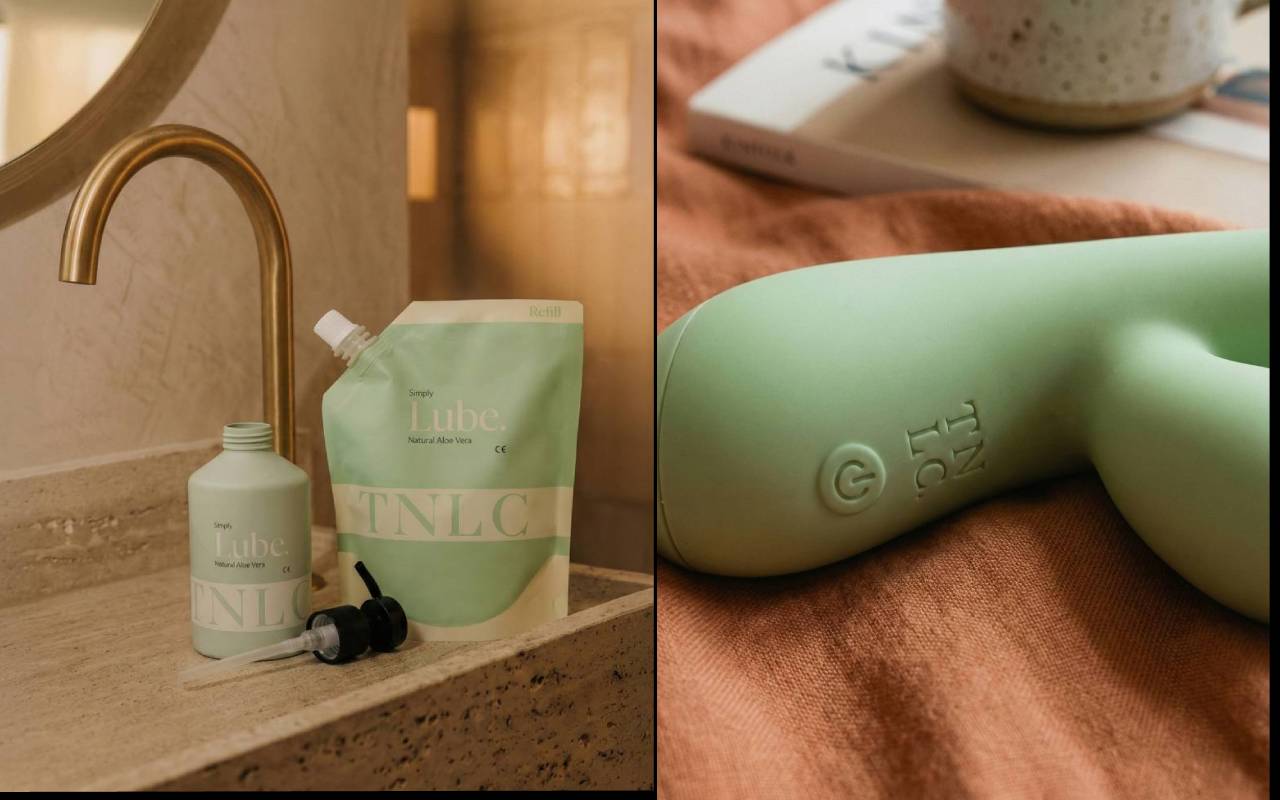
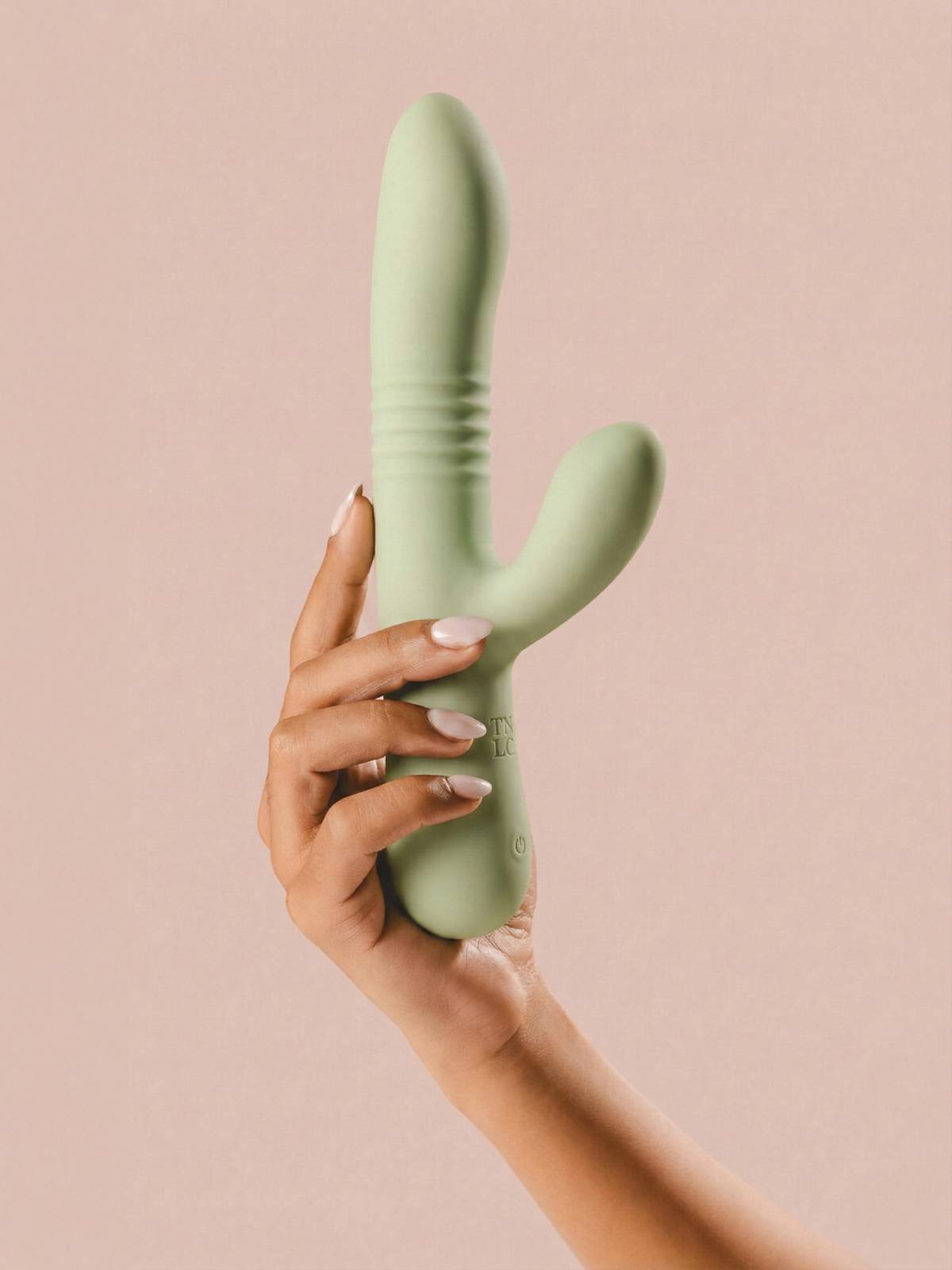
The Natural Love Company’s collection spans thoughtfully engineered vibrators crafted from recycled ocean plastics, alongside vegan, body-safe essentials designed to feel as good ethically as they do physically. Every curve, material, and detail is considered not just for aesthetics but also for how it performs in the moments that actually matter.
Because The Natural Love Company doesn’t believe in throwaway pleasure or throwing away anything. Instead, it focuses on longevity, intention, and a quieter kind of luxury, one that doesn’t deliver.
Website
Pleasure That Feels Natural From the Start
“Pleasure should feel as natural as the materials it’s made from” is a powerful line. How did this belief shape the way you design your products from day one?
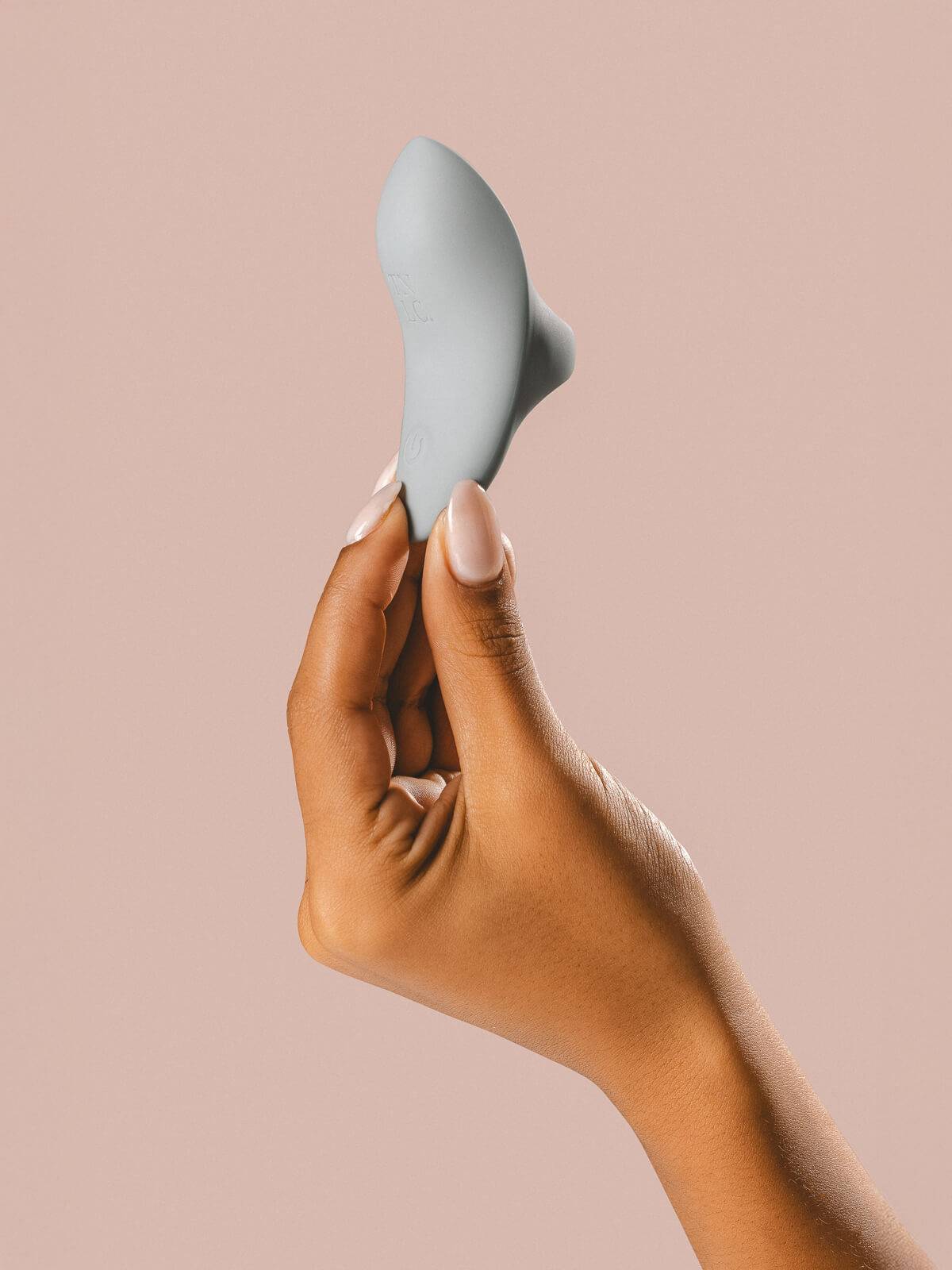
We started by understanding how the body actually responds to stimulation and designing around that. We focus heavily on motor calibration, tuning frequencies, and patterns to feel deep, rhythmic, and intuitive rather than harsh or mechanical.
Form plays an equally important role. Through iterative prototyping, we refine shape, weight, and flexibility so products feel like an extension of the body, not something being used on it. Even the smallest details, such as edge softness and pressure response, are carefully considered.
From a manufacturing perspective, it comes down to precision. We design internal structures to diffuse vibration evenly, ensure material consistency to avoid sensory disruption, and refine surface finishes so movement feels smooth and uninterrupted, free from drag.
Ultimately, creating “natural pleasure” is about removing anything that feels artificial and refining everything until the experience feels instinctive rather than engineered, which, ironically, requires a great deal of engineering.
The End of Throwaway Pleasure
Your brand rejects the idea of “throwaway pleasure.” What does longevity mean in the context of intimacy, and why do you think the industry has overlooked it for so long?
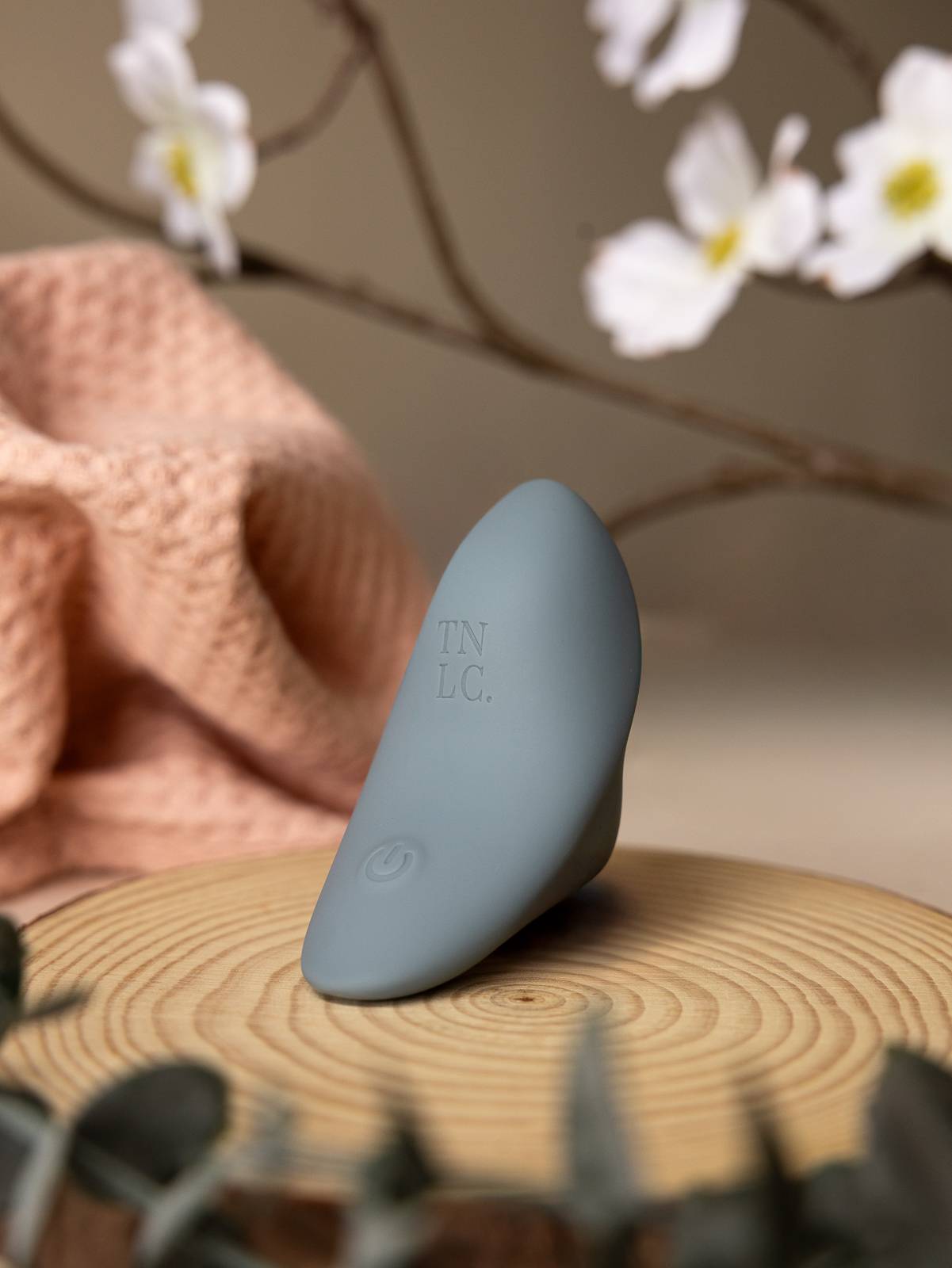
When you design with high-quality materials and robust internal components, you extend not only the life of the product but also the quality of the experience over time. A large part of that comes down to engineering against obsolescence. We prioritise durable motors, stable battery systems, and materials that maintain their integrity
with repeated use. It reduces failure rates, which in turn reduces unnecessary returns and the environmental cost that comes with them.
The industry has historically overlooked this because it has been driven by short-term margins. Lower-grade materials and simplified manufacturing processes are cheaper upfront, but they create products that degrade quickly and need replacing. That cycle benefits sales volume, but it comes at a cost to both the user and the planet.
We take the opposite view. Longevity is not just a sustainability measure; it is a quality standard. A well-made product should last, perform consistently, and feel just as considered over time as it did on first use.
A Different Kind of Transformation
Your products use recycled ocean plastics. There’s something deeply symbolic about turning waste into pleasure. Was that transformation intentional, and what does it represent for you?
That transformation was entirely intentional. In many ways, it was the starting point for everything we’ve built at The Natural Love Company.
The idea of taking a material as problematic as ocean plastic and reworking it into something associated with pleasure, care, and connection felt powerful. It shifts the
narrative. Waste is typically framed as something final, something to discard or ignore. We wanted to prove it could be part of something positive, even intimate.
On a practical level, it is about reducing environmental harm. But symbolically, it represents a kind of rebalancing. Taking something that has caused damage and giving it a new, considered purpose.
It also challenges assumptions about what sustainable materials can be. There is often a perception that “recycled” means “compromised.” We wanted to show that it can be refined, high-performing, and desirable in its own right.
Normalising What We Don’t Say
There’s still a quiet shame around buying or even discussing intimate products. What conversations do you think we’re still avoiding when it comes to pleasure?
Our perspective is likely shaped by the audience we speak to, who are already open to conversations around pleasure. Within that space, the stigma has shifted quite significantly.
Where we still see hesitation is more generational than universal. Younger audiences tend to approach the subject with far more openness, while older generations may still carry a degree of ingrained discomfort or discretion around it.
In terms of what’s still not being said, conversations around solo pleasure, desire within long-term relationships, and changing needs over time still feel relatively under-discussed. There’s also a tendency to focus on the more “acceptable” side of intimacy, rather than the full spectrum of what pleasure can look like for different people.
Myth of Eco-Conscious Pleasure
You’re challenging an industry built on convenience. What are the biggest misconceptions people have about eco-conscious intimacy products?
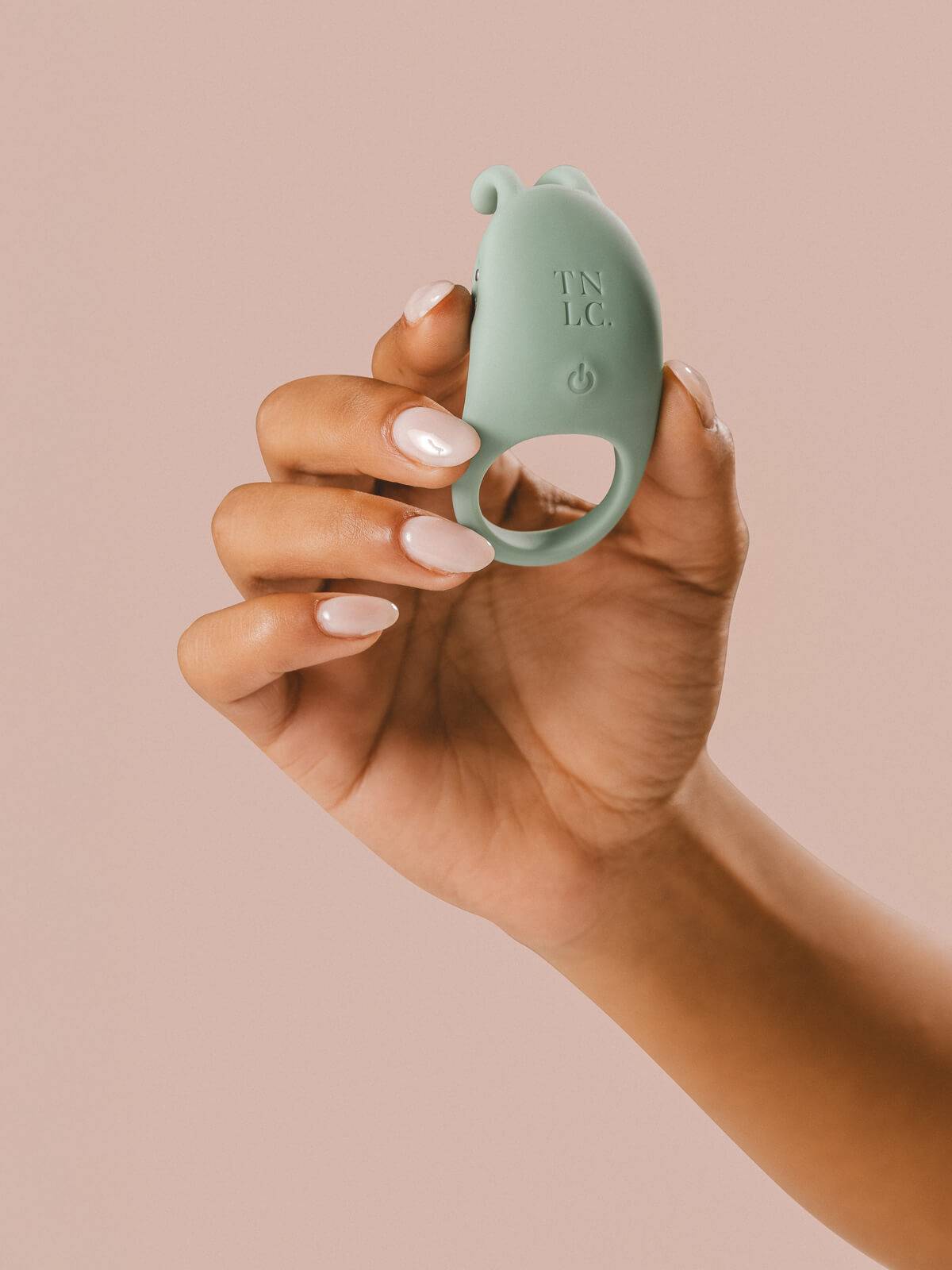
The biggest misconception is that eco-conscious products are somehow a compromise. There is still an assumption that if something is sustainable, it must be less powerful, less refined, or less reliable.
In reality, the opposite should be true. Designing sustainably forces a higher level of scrutiny. You have to think more carefully about materials, about durability, about how a product performs over time. It demands better engineering, not less.
Another common misunderstanding is that sustainability begins and ends with materials. Recycled or “green” inputs are important, but they are only one part of the equation. Manufacturing processes, product lifespan, failure rates, and end-of-life considerations all play a role. A product made from sustainable materials that breaks quickly is not sustainable in any meaningful sense.
Pleasure Isn’t Broken; Our Approach to It Is
If your brand could change one thing about how people experience pleasure today, what would it be, and why does that shift matter right now?
If we could change one thing, it would be the fixation on performance. Pleasure has become increasingly goal-oriented, with a focus on intensity and outcome rather than the experience itself.
A lot of products on the market are designed to escalate quickly, to deliver something immediate and undeniable. But the body does not always respond best to that. It responds to rhythm, variation, and time. When everything is geared towards speed and intensity, you lose the nuance that makes pleasure feel instinctive rather than forced.
We would shift the focus back to sensation. Slowing things down, allowing space for anticipation, for subtlety, for responsiveness. Designing products that work with the body, not against it.
That shift matters now because we are seeing a wider cultural move towards mindfulness and well-being, yet pleasure is still often treated as something to optimise or fast-track. Reframing it as something to experience, rather than achieve, creates a more intuitive, connected relationship with it.
Editor Note
I kept returning to how easily we misunderstand pleasure as something instinctive, when in reality it is shaped by design, culture, and permission. What stands out is not just the innovation behind the work but the refusal to treat intimacy as disposable or rushed. There is a quiet argument here against speed, against performance, and against the idea that desire must always be efficient to be valid. Instead, pleasure becomes something closer to attention: slow, considered, and accountable to both body and environment.
Pleasure is not the problem; the way we have been taught to chase it is.
