
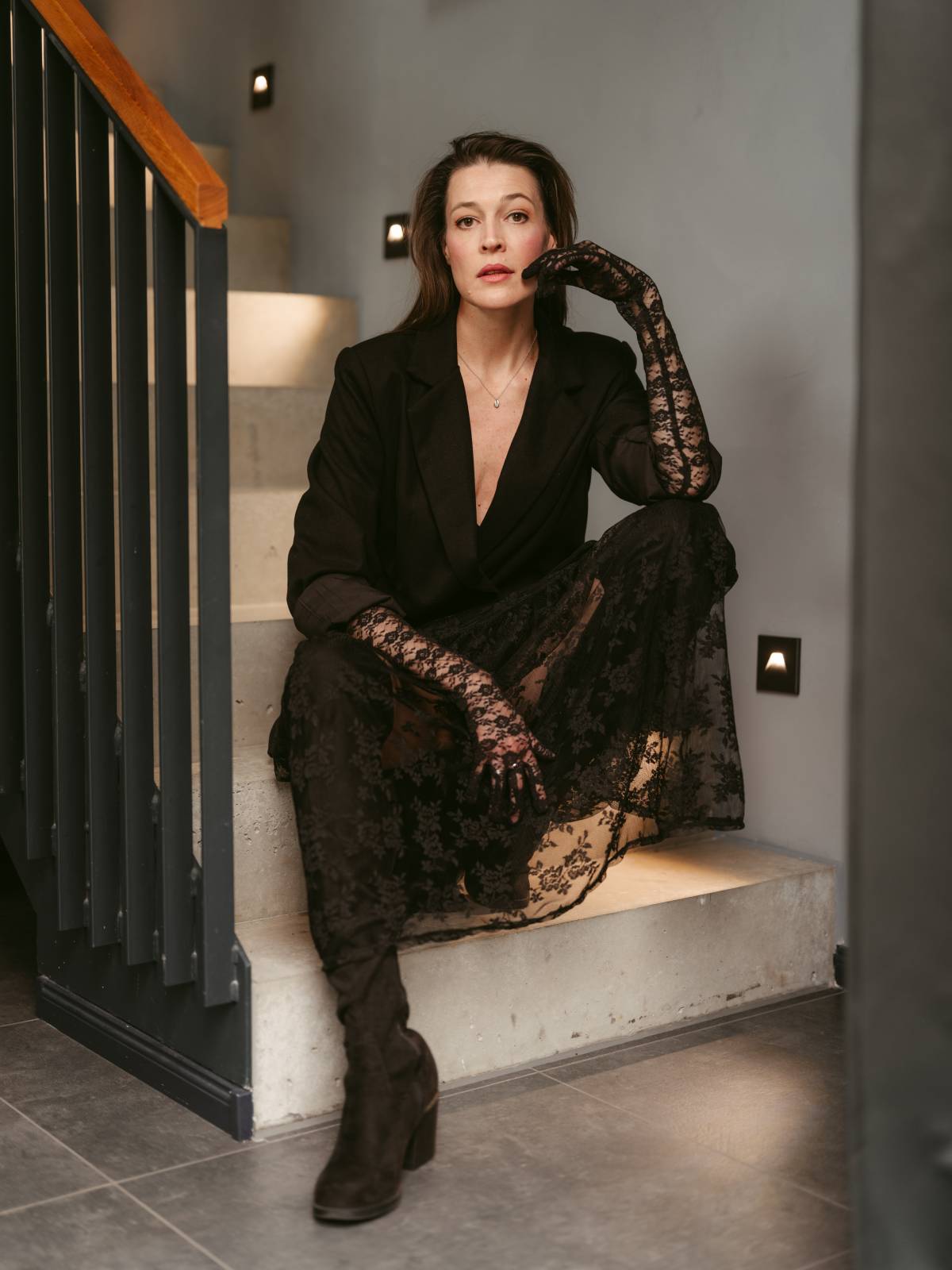
Lisa Opel has built a career out of saying the things many people are still whispering, Googling, or pretending not to wonder about. An author, speaker, and pleasure advocate, she is the creator of pleasepinchmehard.com and the voice behind DEEP&DIRTY, her bilingual podcast exploring sexuality, intimacy, and self-discovery with coaches, therapists, and experts from across the field. A bisexual woman, mother, and long-term partner to a man, Lisa writes from the deliciously complicated middle of identity, intimacy, and everyday life.
Her erotic short-story collection GIVE IT TO ME! brought her frank, funny, emotionally grounded approach and Mary Poppins-like voice to erotic literature. In 2025, she followed it with SEX SEX SEX, a practical sexuality workbook in English and German, packed with over 100 exercises for solo and partnered exploration. Alongside her books, Lisa has created workshops, live readings, and a free JOYclub online course (DE) on long-term relationships and sexuality, bringing her mix of humour, honesty, and practical guidance to audiences beyond the page.
And then there was the sex doll. As part of a JOYclub experiment, Lisa went on what can only be described as one of the more unusual dates in sex-positive media: surreal, provocative on paper, and unexpectedly revealing in practice. It is exactly the kind of territory her work is willing to enter, not for shock value, but to ask better questions about fantasy, intimacy, projection, and what people actually long for.
Her work has reached the TEDx stage and has been featured by outlets including Playboy, Huffpost, Metro, and COSMOPOLITAN.
In this interview, Lisa brings that same sharp, warm, and mischievous lens to sex, identity, fantasy, and the stories we tell ourselves about what we are allowed to want.
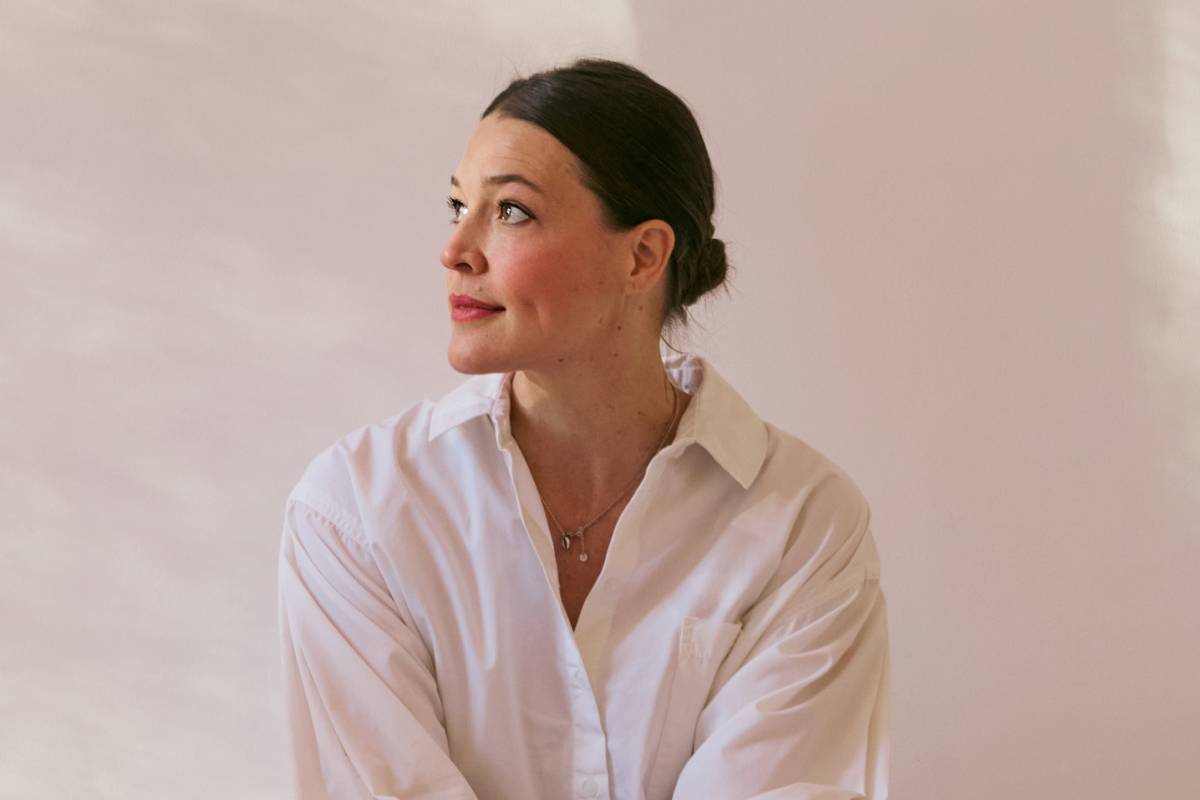
Why Coming Out Wasn’t a Reinvention
Was there a moment when you realised that naming your sexuality was not about replacing one identity with another but about finally making space for your full self?
Lisa: I think for a long time I imagined coming out as this dramatic before-and-after moment, as though I had to become someone new. But the truth was quieter and much more layered than that. I realised quite early that I was into women. My best friend at school was probably a little more than just a best friend, even if I didn’t have the language or courage for it at the time.
Then I dipped in and out of that truth during a very heterosexual phase. I’d often ask male partners whether they’d be interested in a threesome, and I told myself it was about satisfying the male gaze or playing into a common male fantasy. But looking back, I can see that it was my own fantasy I was reaching for. I just found a socially acceptable way to place it in the room.
The real shift happened when I fell in love with a woman unexpectedly. At that point, I could no longer mute the part of me that found women fascinating in more than just a surface-level way. Naming my sexuality wasn’t about replacing one identity with another. It was about integration. I was still a mother, a partner, a writer, a woman with a complicated past and a very human present. It wasn’t a reinvention. It was finally saying: all of this belongs to me.’
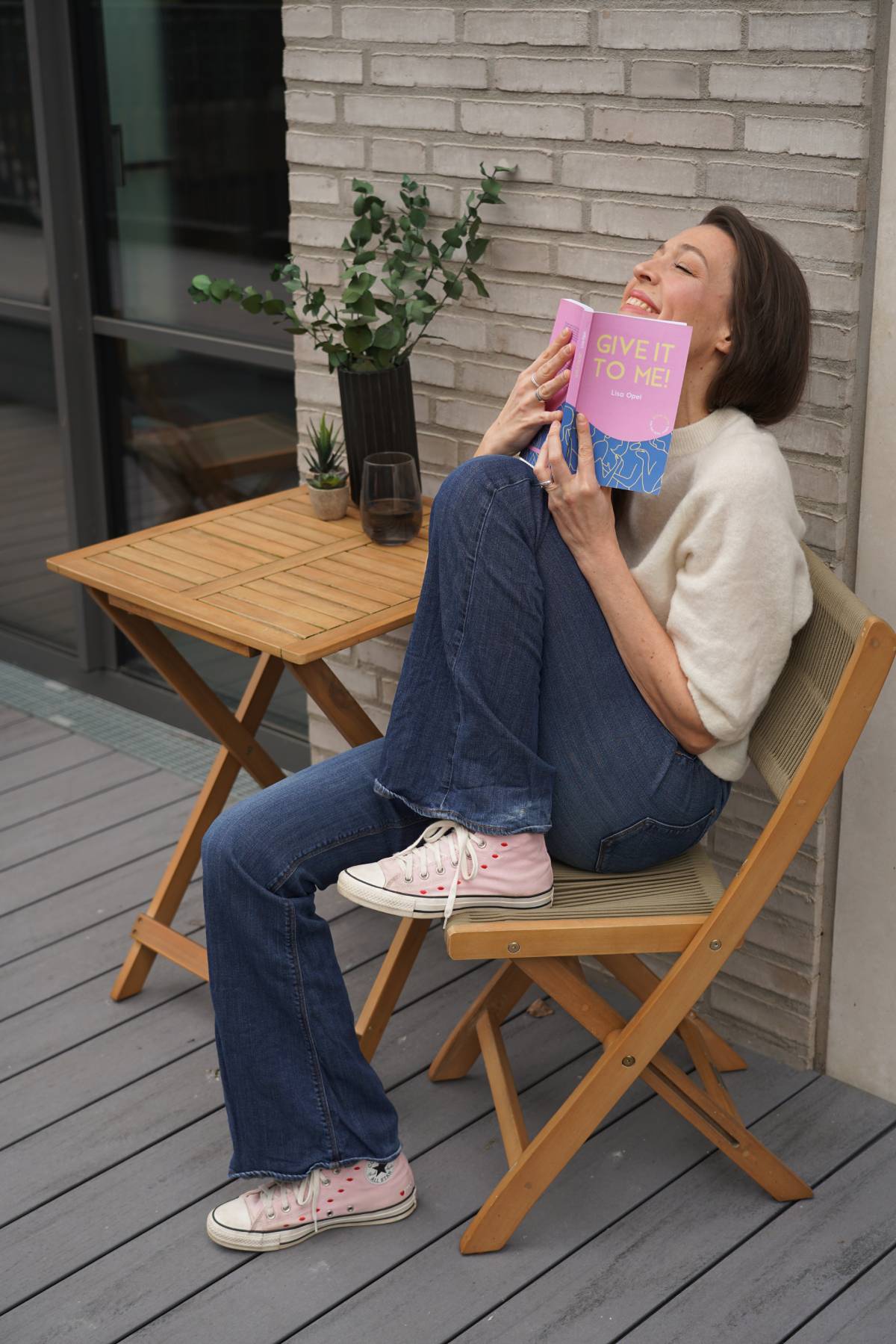
Dated a Sex Doll and Ended Up Learning
A date with a sex doll sounds provocative on the surface, but what deeper truths did the experience uncover about fantasy, projection, and what we genuinely long for in connection?
Lisa: Absolutely, on the surface, it sounds like a stunt. And honestly, the experience was surreal. Bizarre. Almost otherworldly. It was part of a JOYclub experiment, and because of that, I felt I should see it through. If it had just been me, privately, I might have aborted the whole thing halfway through.
But I’m glad I didn’t, because it taught me a lot about myself and my lust. A sex doll doesn’t ask anything of you. You don’t have to read cues, manage anyone else’s awkwardness, or have those strange early conversations you might have with a new person. In that sense, it was oddly liberating.
At the same time, the absence of reciprocation was confronting. There was nobody mirroring desire back to me, nobody seducing me, nobody responding or taking over. So in a strange way, the experience asked me to reclaim my own pleasure rather than wait for it to be activated by someone else. It made me look very directly at what belongs to me: my imagination, my curiosity, my responsibility for my own arousal.
But it also made something very clear: nothing can replace the warmth, intimacy, unpredictability, and psychological stimulation of a real person. I realised I’m absolutely a responsive arousal type. I don’t just want a body. I want energy, presence, tension, reaction, and aliveness. The experience made me think about fantasy, control, loneliness, and projection. What we often long for isn’t a body that does exactly what we imagine. It’s recognition. We want to be met by something alive and electric.

Too Many Labels, or Not Enough Understanding?
Do you think we’re becoming too focused on labels, or do they still play an important role in helping people understand themselves and find community?
Lisa: I don’t think labels are the problem. I think the problem is when people use them as boxes instead of doors. A label can be incredibly freeing when it gives you language for something you’ve felt but couldn’t name. It can also give you access to the community, and that’s where I really see the benefit.
There’s something powerful about finding people who understand a part of you without needing a full explanation. It can make you feel less strange, less alone, less like you’re inventing something no one else has ever felt. But a label should be a doorway, not a room you’re expected to live in forever.
We’re more complicated than any single word can hold. So I don’t think the issue is that we have too many labels. I think the issue is that we sometimes stop being curious once we have one. The label can begin the conversation, but it should never replace the person.

Can Desire Survive Responsibility?
Do you think desire changes when it has to coexist with responsibility, motherhood, and long-term partnership? Or does it simply become more honest in ways people rarely talk about?
Lisa: I think responsibility changes desire because it makes performance harder to sustain. When you’re younger, or freer, or less exhausted, you can sometimes confuse being desired with desiring. You can perform sexiness, availability, curiosity, and even pleasure because there’s enough energy and ego in the room to keep the whole thing going.
But motherhood, long-term partnership, domestic life, changed bodies, exhaustion – all of that strips the theatre back. You no longer have endless capacity to pretend. And while that can feel like a loss at first, I actually think it can become very clarifying.
We still carry lust. We still crave novelty, touch, fantasy, and intensity. But responsibility asks a more honest question: what do I still want when I’m not trying to be impressive? What turns me on when I’m not performing for someone else’s gaze? What kind of intimacy is worth my limited energy?
So no, I don’t think desire dies. I think it becomes less decorative and more truthful. It becomes less about proving you are desirable and more about finding out what you genuinely desire.
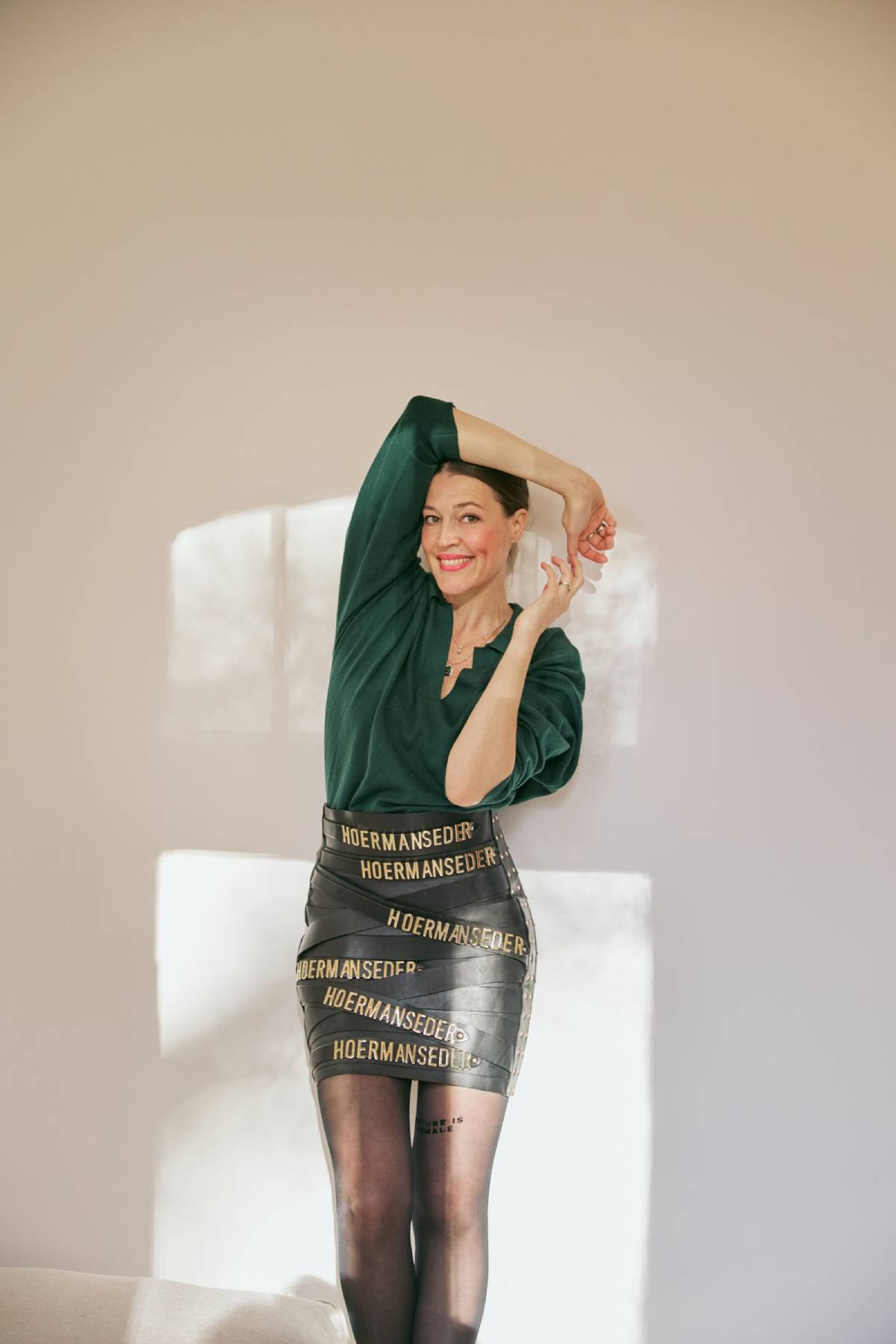
When Erotica Gets Real
Erotica is often imagined as polished fantasy, but your work leans into imperfection, humour, and emotional realism. Why is it important for you to show desire in its unfiltered, sometimes awkward human form?
Lisa: Polished fantasy has its place, but it often treats desire as though it arrives fully formed: beautiful bodies, perfect timing, everyone instinctively knowing what to do. That can be enjoyable, but it isn’t the part that interests me most.
I’m interested in desire as something people inhabit, not just perform. The moment where someone realises they want something they don’t yet have language for. The moment where a body has changed, or a fantasy carries more emotional weight than expected, or a power dynamic suddenly requires care instead of cliché.
Sex is often where people are at their bravest and their most ridiculous, sometimes within the same five minutes.
So much of what we learn about sex comes from scripts: porn scripts, gender scripts, kink scripts, heteronormative scripts. I like writing the places where those scripts stop being enough. Postpartum sex, the first queer intimacy after a lifetime of heterosexuality, and femdom beyond the stereotype. These are not just erotic situations to me. There are moments where identity, vulnerability, communication, and pleasure all meet.
I don’t want to write characters who glide through desire flawlessly. I want to write people who discover it, negotiate with it, misunderstand it, laugh inside it, and sometimes feel changed by it. That’s where desire becomes human. And that’s where I believe readers feel seen as people, not as porn stars.
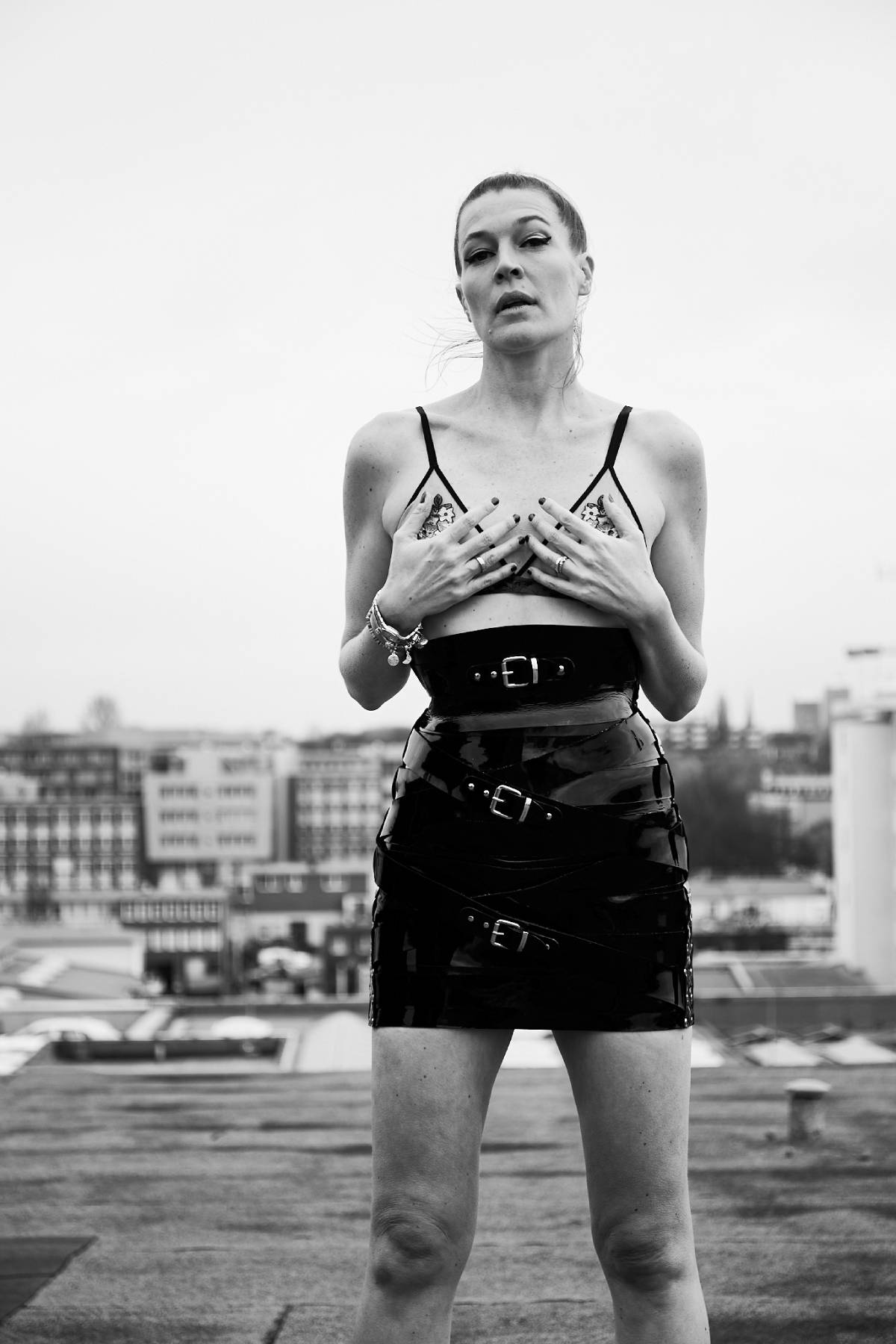
The Truth That Sets Us Free
If readers take one uncomfortable but freeing truth from your work, what do you hope it is about sex, self-acceptance, or emotional honesty?
Lisa: I hope readers take away that honesty is more erotic and more emotionally intimate than perfection. About sex, about identity, about love, about the things we’re ashamed of wanting.
The uncomfortable truth is that most of us are far less in control than we pretend to be. We want things that confuse us. We change. We contradict ourselves. We carry shame that was never ours to begin with. But there’s freedom in admitting that.
The truthful and honest version of ourselves opens us up to more play, experimentation, curiosity, and, ultimately, pleasure. Performance tries to protect us from embarrassment, pain, or rejection, but it often ends up making us unhappy. It keeps us at a distance from ourselves and from the people who might actually meet us there.
Once you stop performing the version of yourself you think will be accepted, you finally get to meet the person who has been waiting underneath. And when we meet ourselves there, we become harder to shame and much more capable of pleasure.
Editor Note
Desire is not something we perfect but something we continuously uncover. Across her work, there’s a recurring insight that feels almost disarming in its clarity: the more honestly we engage with ourselves, the less need we have for performance, even in intimacy.
Sexuality as something lived, not styled. Not a fixed identity or a curated fantasy, but a shifting relationship with truth, contradiction, and presence. The idea that desire becomes more honest under responsibility, not weaker, is perhaps the most striking line of the entire conversation. It challenges the assumption that routine dulls passion, when in reality it often strips away illusion.
We don’t lose desire when life gets real; we lose the ability to pretend
