
After years in the sex industry and extensive academic study, Elle Thielke discovered a truth many struggle to name: sexual well-being isn’t optional; it’s essential. As a sexologist, Elle helps people navigate shame, curiosity, and the complexities of desire, guiding them to embrace their sexuality as a source of empowerment, connection, and self-understanding.
From supporting men’s sexual health to exploring kink, relationship dynamics, and the intersections of sex and digital media, Elle’s work challenges societal taboos and invites us to approach pleasure with curiosity rather than judgment. Their approach isn’t about quick fixes; it’s about understanding, unlearning limiting beliefs, and creating safe spaces where all desires and questions are valid.
In conversation with Elle, we explore how sexuality extends beyond the bedroom, the transformative potential of kink and fetish exploration, and the importance of honest, trauma-informed conversations around sex. At the heart of their practice is a mission to help everyone experience sexual well-being as a natural, empowering part of life.

Elle T Sexology
Elle T Sexology website
From Strip Club to Sexology
As you move from sex work to sexology, how has your time as a stripper changed the way you think about sexual health, pleasure, and intimacy?
Elle: My time in the sex industry was honestly quite formative for me and how I think about sexual health, pleasure, and intimacy. Like so many others, the sex ed I got in school barely scratched the surface. I didn’t even know what thrush or BV was before I started at my first club. Within my first year, I learned more about sexual health from veteran strippers than most of my civilian friends know in their late 20s.
Stripping gave me a crash course in sexual self-confidence and just how powerful confidence can be in shaping connection. It showed me the pleasure that is possible without any genital touch at all (sensory play, anyone?). But the three biggest lessons I carry with me are these:
- Strippers hold incredible knowledge. Even though sexual acts aren’t on the menu in most clubs around the world, there’s a treasure trove of insight in those spaces about pleasure, desire, sexuality, and hell, even life.
- Everyone experiences sex and pleasure differently. There’s no universal “right” or “wrong.” Your desires and responses may not align with your partner’s, and that’s part of the fun: discovering new ways of experiencing intimacy and maybe even expanding your own horizons. Honestly, a late-night conversation about sexual fantasies without any sexual touch can sometimes be more thrilling than a casual one-night stand.
- Intimacy comes in countless forms. We often equate intimacy with romance or sex, but that’s far too narrow. You can have a deep, steamy make-out session with a friend without it being romantic, yet still filled with love. And conversely, not every sexual encounter is intimate; motorboating isn’t exactly soul-baring! You can also experience incredible intimacy that is strictly platonic.In strip clubs, I saw nightly how intimacy and sex can be separate. Plenty of people would pay for a long cuddle with a beautiful, practically naked woman. Those moments weren’t about sex; they were about touch, connection, endorphins, being held, and being heard.Intimacy is less about what your body is doing and more about what you’re feeling and how you’re connecting with others. Not all sexy touch is intimate, and not all intimacy is sexual. That’s a truth the strip club made impossible to ignore.

Skipping the Condom: Risks, Trust, and Honest Conversations
When condoms aren’t used, whether by choice or in the heat of the moment, what are the most important conversations and precautions people should have to maintain sexual health and trust?
Elle: In a perfect world, we’d all have full sexual health screenings before sleeping with someone new, exchange results, and then hop into bed with peace of mind. But let’s be real: if the condom’s gone missing in the heat of the moment, chances are the testing paperwork wasn’t on the table either.
That’s why routine sexual health testing is so important. My rule of thumb: after every new partner, or at least once every 12 months if you’re in a long-term, monogamous relationship. Remember, some STIs can take months to show up on a test, including HIV. And then there’s herpes. A blood test can sometimes show whether you carry the virus, but it can’t predict if you’ll ever have symptoms or whether they’ll appear as a cold sore or a genital sore. You might carry the virus for years before your first flare-up, or never have one at all, and still be able to pass it on.
The biggest non-negotiable? Disclosure. If you know you have an STI, including herpes and cold sores, talk about it before sex. And ask your partner/s about their STI status too. It might sound intimidating, but these chats don’t have to be awkward. Approaching it with confidence will create a comfortable space for openness and honesty. Try something direct and playful, like, “I want to fuck you so bad, but quick check, when was your last sexual health test? Mine was last month, all clear.”
Or “Hey, do you get cold sores at all? Like, “I really want to make out with you, but I wanted to let you know I sometimes get them. I haven’t had a breakout in months, and the risk of passing it on to you right now is really low, but I wanted you to know first.”
And if you ever test positive for something, it’s your responsibility to let recent partners know anyone you’ve slept with since your last test. It’s about respect, safety, and trust.

Myths & Realities of Penis Size
There’s a lot of pressure and myths about penis size. How does this affect men’s confidence in bed, and what advice do you give to help them feel better about it?
Elle: For starters, many people are surprised to learn that the average penis size is around 5 to 5.5 inches. Of course, the data isn’t perfect; studies vary in sampling, measurement methods, and demographics, but this ballpark figure is widely accepted. Debunking myths is always a great starting point for reassurance.
The truth is, a lot of men feel insecure or inadequate about size, and it’s not hard to see why when you look at mainstream porn. I’ll be honest: part of me wants to shout from the rooftops, “Size doesn’t matter! It’s what you do with it that counts!” But I also acknowledge that, for some people, size does matter. The good news? Our size queens are usually pretty upfront about it.
My advice always depends on the person and their sexuality, but my core message is this: learn to explore pleasure beyond penetration. This is especially true when you’re with vulva owners. On average, it takes around 15 minutes of consistent stimulation for a trans vulva owner to reach orgasm, compared to cis vulva owners. pared to 3–7 minutes for a penis owner. Now, I’m no mathematician, but those numbers don’t add up if you’re relying on penetration alone (especially considering most vulva owners can’t climax from penetration without clitoral stimulation anyway).
Porn has played a sizeable role in shaping our ideas of what’s “normal.” But one thing I NEVER hear spoken about enough: the logistics of filming porn. Think of all your favorite “money shots”: doggy style, one leg up, the perfect close-up of penetration, and the zoomed-out shots where you can still somehow see dick! Do you really think a camera could capture those angles with a perfectly average 5.5-inch penis? Like how we always used to hear “the camera adds 10 pounds,” when it comes to porn, the camera takes off inches. Porn star penises aren’t just about fantasy; they’re about practicality.
And let’s be real: most penises simply wouldn’t work for those kinds of shots. Not to mention, plenty of performers have to prepare ahead of time to be able to comfortably take a larger penis. In fact, a lot of people can’t physically accommodate a porn-star-sized dick at all.
So the bottom line? Average is far more common and far more functional and compatible with great sex than most people realize.
The Power of Fantasy: Roleplay & Storytelling
How can roleplay and erotic storytelling be used to explore desires, strengthen intimacy, or even heal aspects of one’s sexual self? Can you share examples of how these practices have transformed experiences for individuals or couples?
Elle: Roleplay and erotic storytelling can be such powerful tools for both individuals and couples, because they create space for novelty, curiosity, and vulnerability all things that keep desire alive.
In long-term relationships especially, novelty is key to sustaining a healthy sex life. Roleplay can reintroduce a sense of playfulness and discovery: slipping into different characters, experimenting with scenarios, or exploring dynamics you haven’t tried before. Sometimes, in the process, people uncover desires they never knew they had.
Beyond just the fun of it, roleplay opens doors to deeper conversations. You can’t really step into a scene without first negotiating it what roles are we playing? What’s in, and what’s out? Do we want it serious or playful? These chats often lead to more open discussions about desires you might have otherwise found difficult to voice.
For many, roleplay also offers a buffer against vulnerability. Trying something new can feel daunting, but stepping into a character, whether that’s a strict professor, a sultry stranger, or an alter ego you’ve created, can make it easier to explore without feeling so exposed.
And roleplay doesn’t have to mean cheesy “naughty nurse” skits (though it can if that excites you!). It could be as simple as exploring power play dynamics where you feel more comfortable embodying dominance or submission through an invented persona. That layer of fantasy can help people ease into desires they’ve been shy about expressing.
Of course, not everyone takes to roleplay straight away. There can be a bit of a cringe factor at first but sitting with that discomfort and giving it a go can be transformative. I’ve seen couples reignite their spark after years together, simply because roleplay gave them permission to step outside of their usual sexual scripts and rediscover each other with fresh eyes.
At its heart, roleplay isn’t just about dressing up; it’s about expanding what’s possible in your intimate life. It’s play, it’s creativity, and for some, it’s even healing. It can strengthen relationships in meaningful ways, especially for couples navigating dry spells. By giving them a structured, playful way back into sexual connection, roleplay can help rebuild desire, deepen intimacy, and remind partners of the fun they can have together.

Academic Porn Nerd Secrets:
You describe yourself as an “academic porn nerd” what is one surprising or misunderstood truth you’ve discovered about the intersection of porn, media, and sexual behavior?
Elle: Like previously mentioned, one of the most misunderstood parts of porn comes down to logistics and production. Which is also why porn literacy is so important, and why I believe porn stars should be invited into teaching spaces so they can contribute to these conversations.
Most adults know that mainstream porn isn’t “real,” but we often hear that mentioned in really surface-level ways: the cut scenes that allow for breaks, not seeing transitions from one act to another, missing consent conversations, the possible use of Viagra, and, of course, the roleplay element (Dr. Sins isn’t really a doctor). And while all that’s true, there’s so much more that people don’t realize things that can distort ideas about what sex should or could be.
Like cum, for example. Fake cum is widely used in porn. Once upon a time, you had to make it yourself in the kitchen, but now you can just buy it from a sex shop. The size of a load you see onscreen isn’t always realistic, and let’s be honest, cum is unpredictable at the best of times. Yet somehow in porn it always lands perfectly on the person, almost artistically… and that’s often because it was staged that way… like make-up art… but for cum.
Another overlooked part is positions. Performers will often bend their bodies at very specific angles to give the camera the best view. Whether it’s making a butt look bigger or making sure a face is in frame during penetration. These positions look amazing on screen, and that’s why they’re used. But plenty of porn stars will tell you that in their private lives, they’d never actually have sex that way. Sometimes they aren’t even sexually pleasurable for anyone involved. Not painful… but just don’t really feel like anything… Others straight up hurt your back!
So, while porn can be a great source of inspiration, take that inspiration to get creative and not as a strict recipe. Sex should be an art, not a science! (at least not your personal sex life)

Sensory Play & Heightened Pleasure
How can using sensory play, like different touches, sounds, or temperatures, make sex more enjoyable and help partners feel closer? Do you have any tips for someone trying this for the first time?
Elle: Sensory play is lots of fun! It’s a great way to bring more novelty into your sex life and expand your sexual interests, but it can also really enhance pleasure and intimacy. It works in similar ways to mindfulness: by engaging more of your senses and introducing sensations you don’t usually experience during “vanilla” sex, it helps you become more present in your body and focus on what you’re feeling in the moment. This heightened awareness can create a deeper sense of vulnerability and connection, which often leads to stronger intimacy between partners.
For those exploring sensory play for the first time, start small and pick something that genuinely excites you. If feathers feel a bit silly but the idea of sensory play appeals, try something simple like an eye mask and some massage oil. And remember it’s okay to laugh and not take it too seriously. It can feel awkward at first, especially for the person taking the lead. You might feel like you’re supposed to look effortlessly sexy as you run a satin tie across your partner’s body (or as they do it to you), but that pressure to perform can pull you out of the moment. Instead, focus on exploring and playing together. As you find what feels good, you’ll naturally become more comfortable and confident leaning into it.
It’s also really important to do your research before diving in, as some forms of sensory play require a bit of know-how to do safely. For example, temperature play can be so fun but not all candles are safe to use, and you need to know how far away to pour from. Otherwise, you could end up with some very unsexy burns.
In short: have fun, don’t force the “serious and sexy” vibe if it isn’t coming naturally, laugh together, and always do your research.

Advice for Readers
If there was one piece of guidance you could give to people struggling to embrace their sexuality fully, regardless of age, gender, or orientation, what would it be?
Elle: You said one piece, but where’s the fun in that? I’m giving you four.
1. Get in touch with your own body.
Take time to connect with your pleasure through a lens of self-care, because it’s hard to feel comfortable with others if you’re not comfortable with your own sexual self.
2. Keep learning.
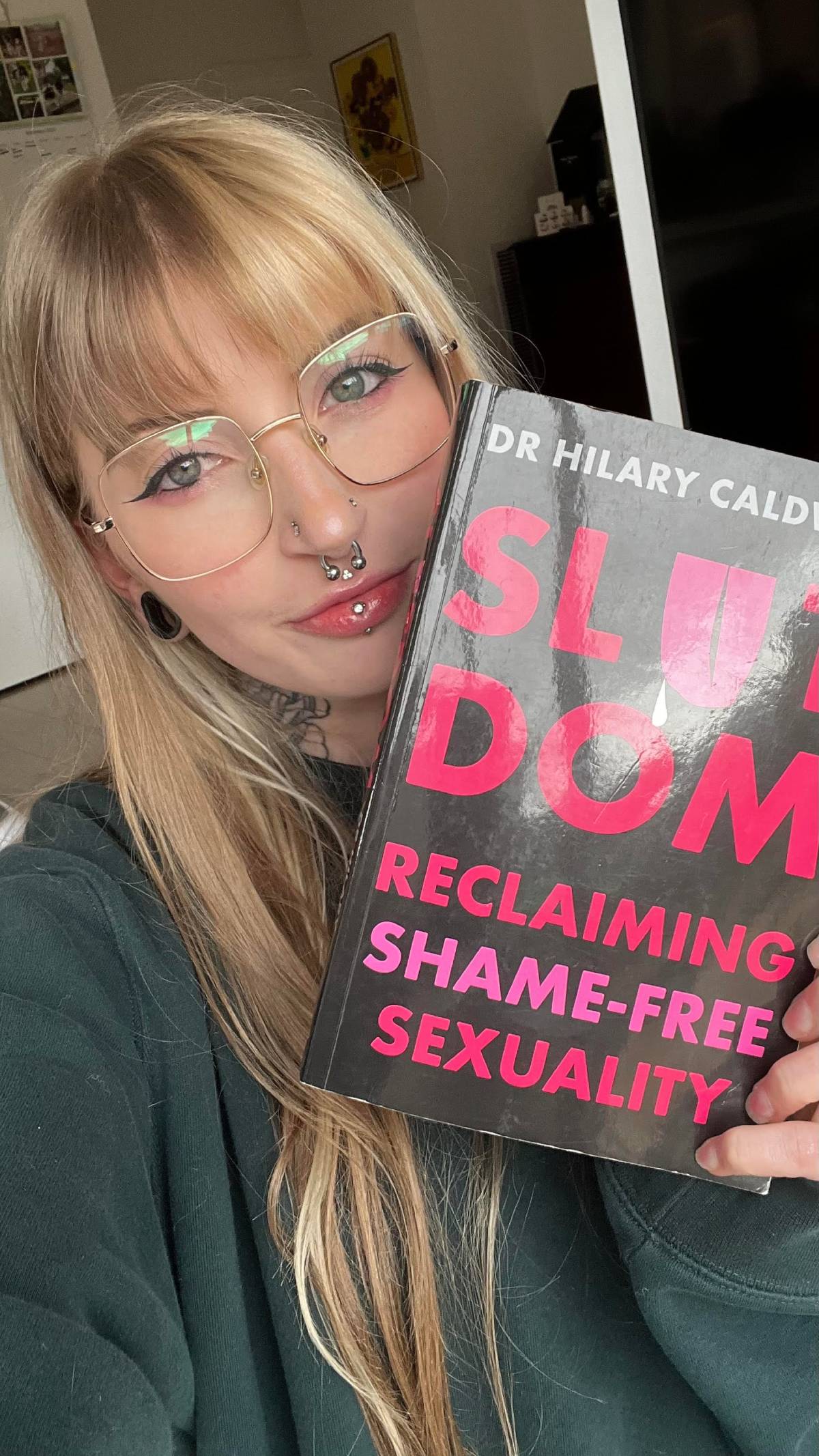
Sex education doesn’t stop in adolescence; it’s relevant at all ages, even well into your senior years. Books like Tell Me What You Want by Dr. Justin Lehmiller and SlutDom by Dr. Hilary Caldwell are fantastic for normalizing diverse sexual interests and helping you “reclaim shame-free sexuality” (as the cover of Dr. Hilary’s book says).
3. Connect with others.
Break down the taboo around discussing sex and sexuality, even with your friends! If you’re exploring your orientation, seek out others within that community. If you’re curious about a particular kink, find a local kink group. These spaces often hold social events that aren’t sexual in nature but can help you feel seen, validated, and supported.
4. And finally, don’t be afraid to seek support.
Sexologists exist for a reason! We’re here to offer guidance, education, and a safe space to explore whatever’s coming up for you.
Editor Note:
How do we understand sexuality in our day-to-day lives? Their insights show how curiosity, honesty, and informed perspective can reshape the way we approach intimacy and our own desires. The message isn’t about technique or performance. It’s about giving ourselves space to explore without judgment and to question the beliefs that have shaped us for years. When we allow that space, something shifts.
We begin to see sexual well-being as part of emotional clarity, personal growth, and connection with others. These ideas reach far beyond the bedroom. They speak to how we relate, communicate, and claim our own needs with more confidence. That is the best line to hold onto here: understanding yourself is the first step toward any meaningful connection.
“Embracing your sexuality with curiosity and honesty is not just about pleasure; it’s about knowing yourself and connecting more deeply with the world around you.”
