
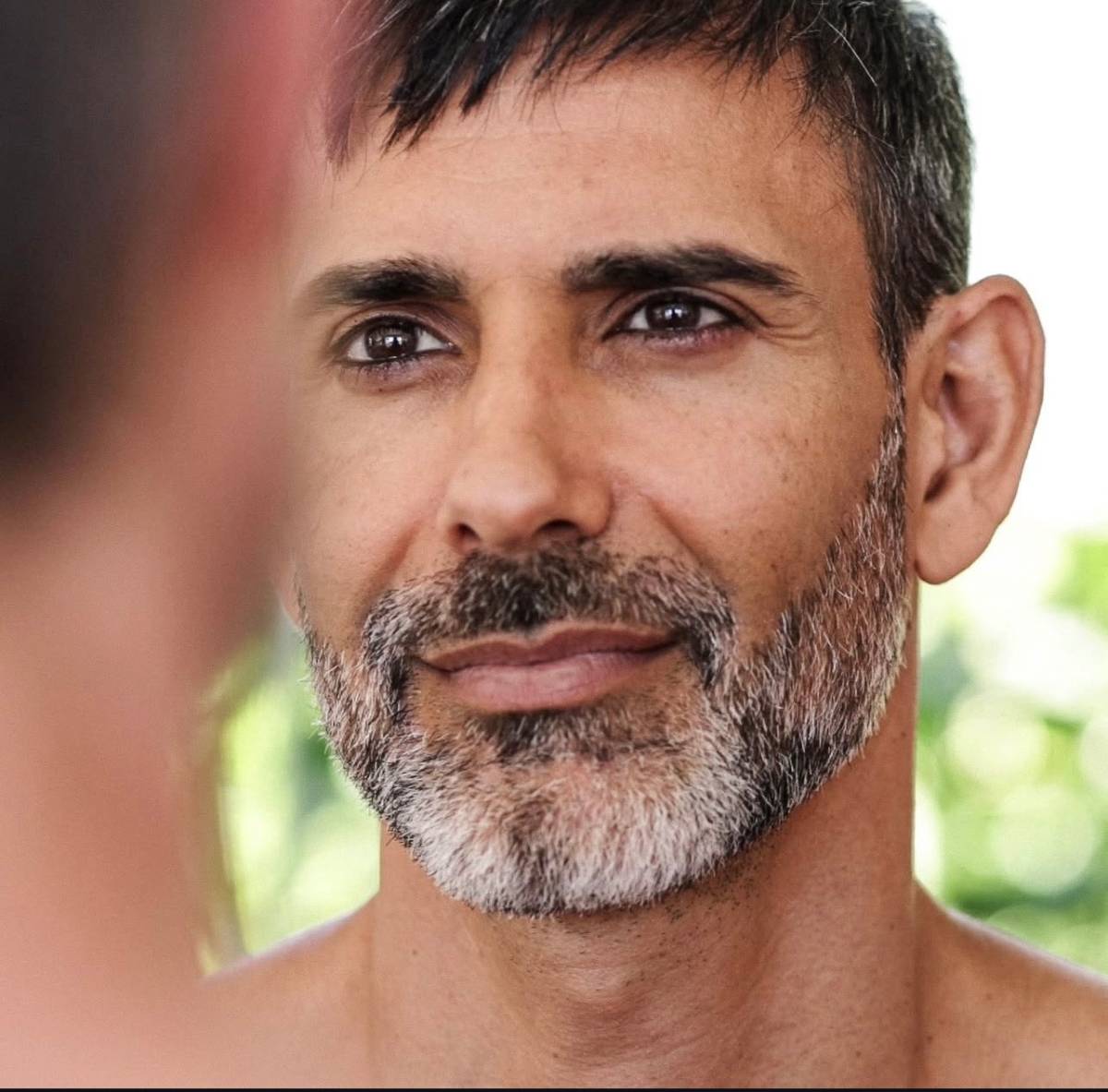
Sexuality is often reduced to what happens between people, yet some of its most profound lessons begin within. For intimacy coach Amit Rose, the search for deeper connection started with a quiet realisation that physical closeness alone could not satisfy the longing to be truly seen. What followed was not simply a shift in how he approached relationships but a broader exploration of vulnerability, presence, and the emotional landscapes that shape the way we love. Today, his work invites individuals and couples to look beyond performance and expectation, discovering intimacy as a practice of self-awareness rather than a destination.
Drawing on coaching, somatic practices, and tantric philosophy, Amit approaches sexuality with both compassion and curiosity. His own experiences have taught him that many of the struggles people associate with intimacy – shame, fear of rejection, body image, or the difficulty of expressing desire – are far less about sexuality itself than about our relationship with ourselves. While his work includes supporting gay men navigating the complexities of modern dating culture, his perspective reaches beyond identity, reminding us that the need for acceptance, safety, and authentic connection is profoundly human.
Rather than offering quick answers, he encourages people to slow down, listen more carefully to their bodies, communicate with greater honesty, and recognise that emotional intimacy requires as much intention as physical attraction. It is a philosophy rooted in curiosity rather than judgement, where growth comes from learning to meet ourselves with compassion before asking someone else to do the same.
In this conversation, Amit reflects on conscious touch, emotional vulnerability, the evolving nature of love, and why genuine intimacy asks far more of us than sexual freedom alone. It is a thoughtful exploration of what it means to build relationships that are not only passionate but also deeply connected from the inside out.

Website
Story of Sexual Awakening and Growth
Sexuality is one of the deepest doorways to self-understanding. Was there a defining moment in your own life that transformed the way you viewed intimacy, and how has that experience shaped the work you do today?
Amit: I very much agree that sexuality is one of the deepest doorways to self-understanding.
My own sexual renaissance began in my forties, around seven years ago. Growing up as a gay man, sex was often readily available, and over time I unconsciously came to see it as something you do, something you consume. Yet many encounters left me with a lingering sense of emptiness.
The turning point came when I started asking different questions: What do I actually need? What am I really looking for through these encounters?
What I discovered was that beneath my desire for sex was a much deeper longing for connection.
From then on, I began approaching intimacy differently. Even in casual encounters, I would invite people into a more authentic space, one where we could drop our guard, be present, and meet each other as human beings rather than simply as bodies.
What surprised me was how often people responded. Beneath the confidence or casualness, many seemed just as hungry for genuine connection as I was.
Those experiences completely changed my understanding of sexuality. I stopped seeing it as simply something physical and began experiencing it as a way of learning about myself, my desires, my boundaries, my fears, and my capacity for intimacy.
That journey eventually became the foundation of my work. Today I help individuals and couples create richer, more authentic relationships by integrating coaching, somatic practices, tantric philosophy, and other approaches to intimacy and personal growth.
We Get Wrong About LGBTQ+ Intimacy
As someone who works closely with gay men while welcoming clients of all identities, what unique challenges do you see within the LGBTQ+ community around intimacy, and which of those challenges do you think society still misunderstands?
Amit: One thing I want to be careful about is not presenting these as challenges unique to gay men. Loneliness, vulnerability, performance anxiety, and the search for belonging are deeply human experiences. But within parts of gay male culture, there are unique social dynamics worth acknowledging.
One of the biggest is the ease of access to sex. PrEP has been an extraordinary advancement for sexual health and freedom, while dating apps and party culture have made casual encounters more accessible than ever. For many, that’s a positive development. But for some, sex—and sometimes substances—can gradually become a substitute for intimacy rather than an expression of it. In my clinic, I see some of the consequences of this, including an inability to engage sexually without substances and difficulty forming meaningful, lasting connections.
Ultimately, the issue isn’t casual sex itself or how often people have it. It’s what we’re asking it to provide.
I think society also misunderstands LGBTQ+ intimacy by assuming that sex between two men is somehow simpler. In reality, many of the same struggles exist: body image, confusion about masculinity, performance anxiety, shame, erectile difficulties, fears of rejection, and the challenge of emotional vulnerability.
The desire to be seen, accepted, and loved isn’t a gay experience; it’s a human one.

Sexual Freedom Replaced True Intimacy?
We live in a world where sexual openness is celebrated more than ever, yet loneliness and disconnection seem to be rising. Do you think we’ve confused sexual freedom with emotional intimacy?
Amit: I don’t think sexual freedom is the problem. If anything, it’s one of the great achievements of modern society. The ability to explore desire and express sexuality without shame is something worth celebrating.
Where I think we’ve become confused is in assuming that sexual freedom automatically creates intimacy. It doesn’t. Freedom gives us choice; intimacy asks something different of us. It requires vulnerability, trust, emotional honesty, and the willingness to be fully seen.
Today it’s easier than ever to find sex, but meaningful connection still asks for time, presence, and courage.
The real question isn’t whether we’ve become too sexually free. It’s whether we’re investing as much energy in building emotional intimacy as we are in pursuing physical connection. And whether we’re allowing this freedom to become a path to deeper self-understanding to grow and thrive, rather than stagnate and drift towards loneliness.
The Deeper Side of Intimacy
Touch is such a powerful form of communication, yet many people feel disconnected from it. What role does conscious touch play in building trust, safety, and a deeper connection between partners?
Amit: Touch! One of my favorite topics so much so that I created an online course about it.
First, we are social beings, and touch is deeply connected to our sense of safety, bonding, and wellbeing. Neuroscience has shown that affectionate touch can stimulate the release of oxytocin, a hormone associated with connection, trust, and emotional regulation.
Touch between partners is often taken for granted, yet it is one of the richest languages of intimacy. It can communicate love, safety, playfulness, and eroticism. It can also bring us into deeper presence by inviting us to pay attention to the sensations and experiences within the body.
Conscious touch is also a powerful therapeutic tool. Approaches such as sensate focus use structured touch exercises to help couples reduce performance anxiety, improve communication around desire, and rediscover pleasure without pressure or expectation.
I often use these principles in my clinic to help couples slow down, reconnect, and explore each other’s bodies with curiosity and presence.
Personally, I continue discovering new ways of touching with different intentions, rhythms, pressures, and qualities of attention, and I’m continually amazed by how many forms of expression are possible.
Touch is a language we all have access to, and I believe consciously exploring it can transform the way we experience intimacy and connection.

Intimacy Lessons We Learn From Each Other
Throughout your journey as a coach, what has been the most unexpected lesson your clients have taught you about love, vulnerability, or the human need for connection?
Amit: The most unexpected lesson my clients have taught me is that love is dynamic—it needs to stay in motion.
Many people believe that finding love is the destination, but I’ve learned that this is often where the real work begins. Healthy relationships aren’t sustained by love alone; they require ongoing curiosity, communication, and the willingness to grow alongside one another.
Vulnerability is a key ingredient that keeps love moving. Our needs, desires, and identities evolve over time, and lasting connection depends on our ability to express those changes openly, even when it’s uncomfortable. Equally important is having a partner who can truly hear and see us without judgement. When we feel emotionally safe enough to be honest and are met with empathy instead of defensiveness, love deepens. To me, that is one of the most beautiful expressions of intimacy and human connection.

The Fear Behind the Desire
Relationships often reveal our deepest fears, insecurities, and patterns. What are some common emotional barriers you see people bringing into their intimate relationships, and how can they begin to move beyond them?
Amit: One of the biggest emotional barriers I see is the fear of being exposed. For many people, there is a sense that if they reveal their authentic desires, fantasies, or vulnerabilities, they could be judged, ridiculed, rejected, or have those parts of themselves used against them. That fear often leads people to hide aspects of who they are, making it difficult to create the kind of emotional and erotic intimacy they long for.
A theme I often work with is shame. Many clients carry messages from the past, whether from family, culture, religion, or previous relationships, that taught them their sexuality was inappropriate, “too much”, or something to suppress. For example, someone who grew up believing that expressing sexual desire was shameful may struggle to initiate intimacy with a loving partner, even though they deeply want connection. Instead of expressing themselves freely, they may withdraw, stay silent, or disconnect from their own pleasure. Shame doesn’t just affect sexual expression; it also limits our capacity to stay emotionally present and create a space where intimacy feels safe, open, and alive.
Another recurring pattern is the expectation that our partner should simply know what we need or desire. When those needs go unmet, it’s easy to direct all the blame towards them. Without taking responsibility for communicating what we actually need. Healthy intimacy isn’t about mind-reading; it’s about learning to express ourselves clearly and compassionately. That might mean asking for more safety and tenderness, more affection, more playfulness, or sharing a curiosity about exploring something new together in your erotic landscape. The more we take ownership of communicating our needs with honesty and kindness, the more likely we are to create relationships where both partners feel understood, desired, and emotionally secure.
The Journey Back Within
For readers who have experienced rejection, heartbreak, or years of feeling disconnected from their own bodies, what first step would you encourage them to take towards rebuilding trust in themselves and intimacy again?
Amit: I believe the first step is to reframe these experiences not as failures, but as opportunities to understand yourself more deeply. Heartbreak, rejection, and disconnection can become powerful invitations to reflect and ask, What can I learn about myself from this? What patterns do I want to carry forward, and which ones am I ready to let go of? When we shift our focus from blame, resentment, or self-pity towards curiosity and self-awareness, we create the possibility for growth and healthier relationships in the future.
This can also be a wonderful opportunity to seek professional support, whether through a therapist or a coach. The most important thing is finding someone you trust and whose approach resonates with you. It’s an investment that can profoundly change the relationship you have with yourself and, in turn, with others.
We often underestimate the value of investing in our emotional wellbeing and personal growth. Many of us will dedicate hours every week to strengthening our bodies at the gym, yet rarely give ourselves the same commitment to strengthening our inner world. Taking the time to pause, reflect, ask meaningful questions, and meet the parts of ourselves that are hurting with compassion is not a luxury—it’s one of the greatest acts of self-care.
At the end of the day, the quality of our relationships is shaped by the quality of the relationship we have with ourselves. Love, intimacy, and sexuality aren’t things we simply find—they’re experiences we learn to create. The more honest, compassionate, and curious we become about who we are, the more freedom we have to build relationships that feel authentic, connected, and deeply fulfilling.
Editor Note
We often speak about intimacy as though it begins the moment two people meet. Yet the relationships that shape us most are often the ones we have with ourselves—quiet, unfinished, and carried into every connection we make.
Desire can be easy to recognise. Understanding what sits beneath it is far more difficult. Fear, shame, longing, and the wish to be accepted rarely announce themselves openly, but they often influence the way we love more than attraction ever could.
Amit’s reflections gently remind us that intimacy is not measured by closeness alone. It asks for honesty, presence, and the courage to be seen without hiding behind certainty or performance. Sometimes the deepest connection begins not with another person, but with a question we have been avoiding ourselves.
What if the greatest barrier to intimacy isn’t the distance between two people, but the distance between who we are and who we allow ourselves to be?
