
Fetishism has long occupied a unique place in cinema not simply as a source of eroticism but as a way to explore power, identity, obsession, repression and human psychology. The most memorable fetish films rarely rely on shock value alone. Instead, they use desire as a storytelling device, challenging audiences to question intimacy, fantasy, control and emotional vulnerability.
From European arthouse classics to provocative psychological dramas, these films have influenced generations of filmmakers and continue to spark conversation decades after their release. Whether they examine BDSM, voyeurism, domination, submission or unconventional relationships, each title offers something far deeper than surface-level provocation.
Here are ten of the most iconic fetish films every serious cinema lover should experience.
1. Belle de Jour (1967)

Directed by Luis Buñuel, Belle de Jour remains one of the defining works of erotic arthouse cinema. Catherine Deneuve stars as Séverine, a seemingly perfect Parisian housewife who secretly spends her afternoons working in a discreet brothel to explore fantasies she cannot express within her marriage.
Rather than presenting fetish as spectacle, the film blurs the boundaries between fantasy and reality, leaving audiences uncertain which experiences are imagined and which truly occur. Buñuel’s surrealist style transforms sexual desire into psychological mystery, making the film as intellectually engaging as it is provocative.
Why it’s iconic: It redefined erotic cinema by treating desire as an emotional and psychological landscape rather than simple titillation.
2. Secretary (2002)

Steven Shainberg’s Secretary became one of the first mainstream films to portray BDSM relationships with surprising warmth, humour and emotional complexity. Maggie Gyllenhaal delivers a remarkable performance as Lee Holloway, whose relationship with her employer evolves into an unconventional exploration of trust, vulnerability and power exchange.
The film avoids sensationalism by focusing on consent, communication and personal growth, making it a landmark in modern representations of BDSM.
Why it’s iconic: It helped shift public conversations around BDSM from taboo to nuanced emotional storytelling.
3. Crash (1996)

David Cronenberg’s adaptation of J.G. Ballard’s novel remains one of cinema’s most controversial films. It follows a group of people whose erotic fascination centres on automobile accidents, technology and physical trauma.
Cold, clinical and intentionally unsettling, Crash examines the relationship between modern technology, desire and obsession without offering easy moral conclusions.
Why it’s iconic: Few films have challenged audiences’ perceptions of sexuality and fetish as boldly as Crash.
4. The Duke of Burgundy (2014)

Peter Strickland’s visually stunning romance explores a long-term BDSM relationship between two women, focusing less on explicit sexuality and more on routine, intimacy and emotional labour.
Elegant cinematography and restrained storytelling transform what could have been provocative material into an unexpectedly tender study of love, compromise and compatibility.
Why it’s iconic: It presents dominance and submission through the lens of everyday relationships rather than fantasy alone.
5. The Piano Teacher (2001)

Michael Haneke’s The Piano Teacher is widely regarded as one of cinema’s most unsettling psychological dramas. Isabelle Huppert stars as Erika Kohut, a respected piano professor whose carefully controlled life conceals deeply repressed desires.
Rather than offering easy answers, Haneke examines shame, repression, emotional isolation and the destructive consequences of denying one’s authentic self. The result is challenging, unforgettable filmmaking that continues to spark discussion more than two decades later.
Why it’s iconic: Isabelle Huppert’s fearless performance and Haneke’s uncompromising direction created one of the most psychologically intense portrayals of repressed desire ever filmed.
6. Venus in Fur (2013)
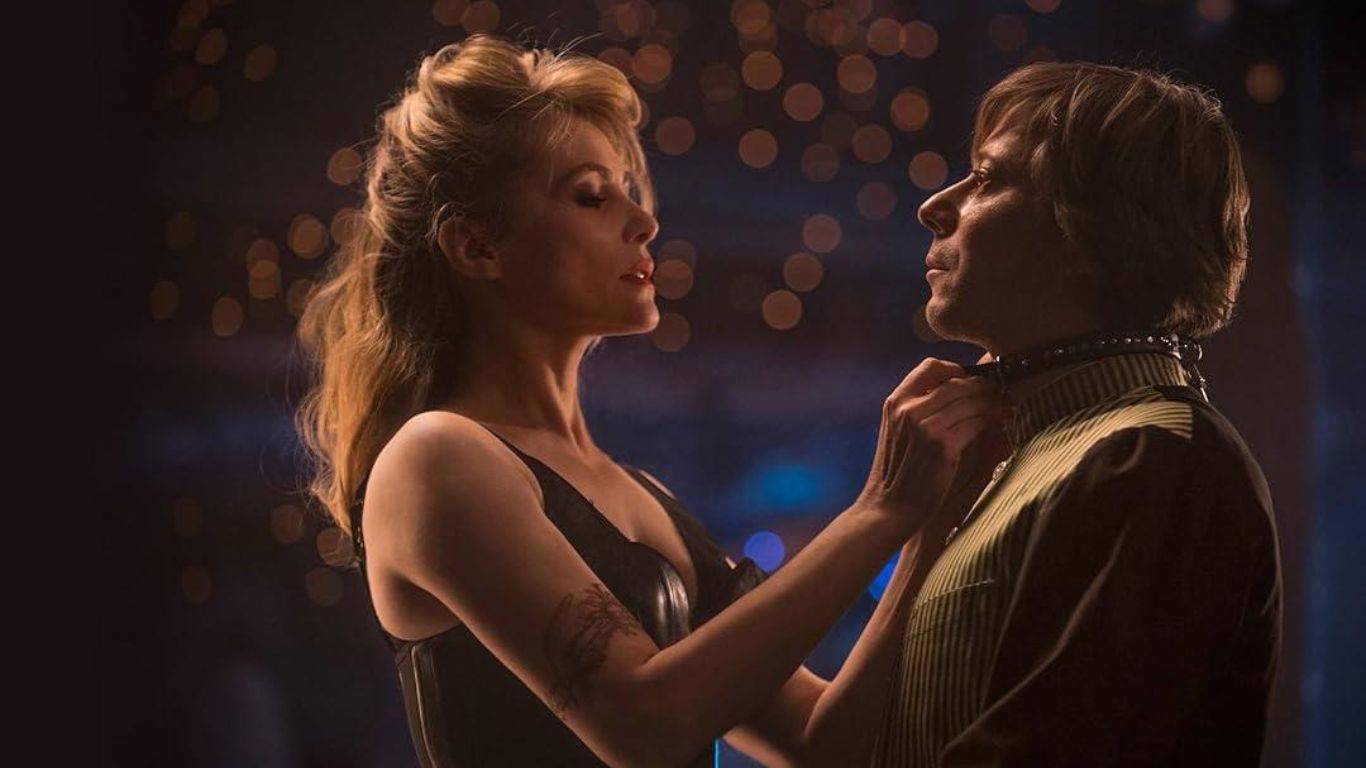
Directed by Roman Polanski and adapted from David Ives’ acclaimed stage play, Venus in Fur unfolds almost entirely within a single theatre.
What begins as an audition quickly transforms into an intense psychological battle between director Thomas and actress Vanda. As power continually shifts between the two characters, reality and performance become increasingly blurred. Intelligent, witty and endlessly engaging, the film explores control, fantasy and gender dynamics through exceptional dialogue and two captivating performances.
Why it’s iconic: Its constant reversal of power keeps audiences questioning who is truly in control, making it one of cinema’s sharpest psychological explorations of dominance and desire.
7. Dogs Don’t Wear Pants (2019)

This Finnish psychological drama surprised audiences with its emotional honesty.
Following the death of his wife, Juha struggles with grief until he encounters Mona, a dominatrix whose sessions unexpectedly awaken feelings he thought had disappeared forever.
Rather than sensationalising BDSM, Dogs Don’t Wear Pants explores healing, loneliness and emotional reconnection. Darkly funny, deeply moving and visually distinctive, it demonstrates how intimacy can sometimes become a pathway towards recovery.
Why it’s iconic: It reframed BDSM not as taboo but as a surprisingly compassionate lens through which to explore grief, healing and emotional vulnerability.
8. Tokyo Decadence (1992)

Directed by Ryū Murakami, Tokyo Decadence follows a young escort navigating Tokyo’s underground world of high-end clients and increasingly unusual encounters.
Rather than presenting eroticism as glamorous, the film often feels lonely, melancholic and emotionally detached. Beneath its provocative surface lies a meditation on isolation, modern urban life and emotional emptiness.
Its unflinching approach has earned it cult status among fans of Japanese arthouse cinema.
Why it’s iconic: It offers a haunting portrait of loneliness beneath the surface of desire.
9. 9½ Weeks (1986)

Few films have shaped popular culture’s image of erotic cinema quite like 9½ Weeks.
Starring Kim Basinger and Mickey Rourke, the film follows an intense, increasingly complicated affair fuelled by attraction, experimentation and emotional uncertainty.
While opinions remain divided on its portrayal of relationships, its visual style, memorable soundtrack and cultural influence helped define an era of sensual filmmaking throughout the 1980s.
Why it’s iconic: Its unforgettable visual style and cultural impact turned it into one of the defining erotic dramas of the 1980s, influencing countless films that followed.
10. The Night Porter (1974)
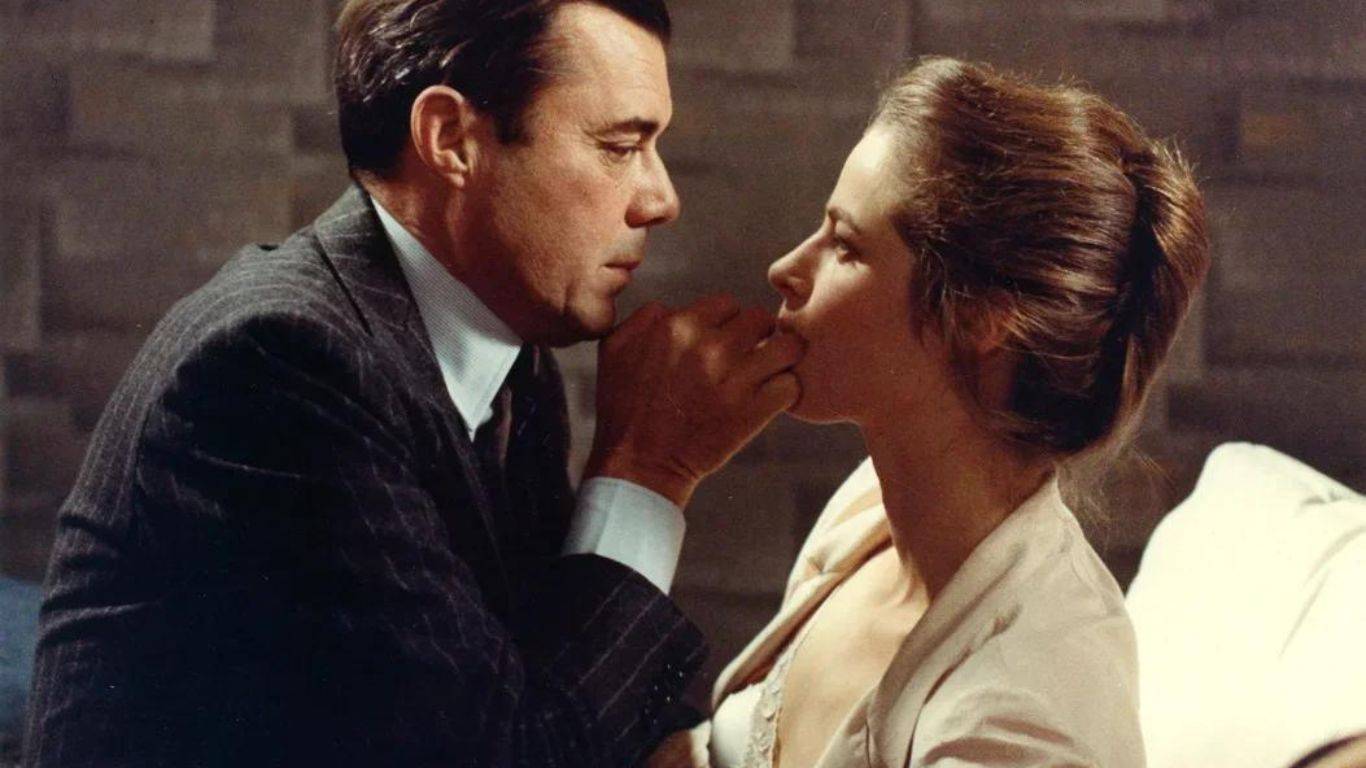
Liliana Cavani’s The Night Porter remains one of the most controversial films ever produced due to its exploration of trauma, memory and power dynamics between a former concentration camp survivor and an ex-SS officer.
The film deliberately challenges audiences with morally uncomfortable questions rather than offering simple answers. Its provocative themes sparked intense debate upon release and continue to divide critics today.
While undeniably difficult viewing, its influence on discussions surrounding eroticism, trauma and cinematic ethics cannot be ignored.
Why it’s iconic: Few films have generated such lasting debate about power, desire and morality.
Editor’s Note
The most unforgettable films about desire are rarely the most explicit. Instead, they’re the ones that challenge our assumptions about intimacy, power and human connection. Fetish cinema has long pushed against convention, using unconventional relationships to explore trust, vulnerability, identity and the complexities of what draws us to one another.
This collection brings together ten films that have left a lasting mark on cinema. Some became cultural milestones, others cult favourites, but each offers a thought-provoking look at desire through a distinctly cinematic lens. Whether you’re revisiting a classic or discovering something new, these films prove that the boldest stories are often the ones willing to explore what lies beneath the surface.
FAQs
1. What is a fetish film?
A fetish film explores themes of desire, power, fantasy or unconventional relationships as part of its story.
2. Which fetish film should I watch first?
Secretary is a great starting point thanks to its mix of romance, humour and emotional depth.
3. Are fetish films always explicit?
No. Many focus more on psychology, relationships and character development than explicit scenes.
4. Is Fifty Shades of Grey a fetish film?
Yes. It introduced BDSM themes to mainstream audiences, making it one of the genre’s most well-known films.
5. Why are these films considered iconic?
They challenged traditional storytelling, sparked conversations about desire and intimacy, and left a lasting impact on cinema.
