
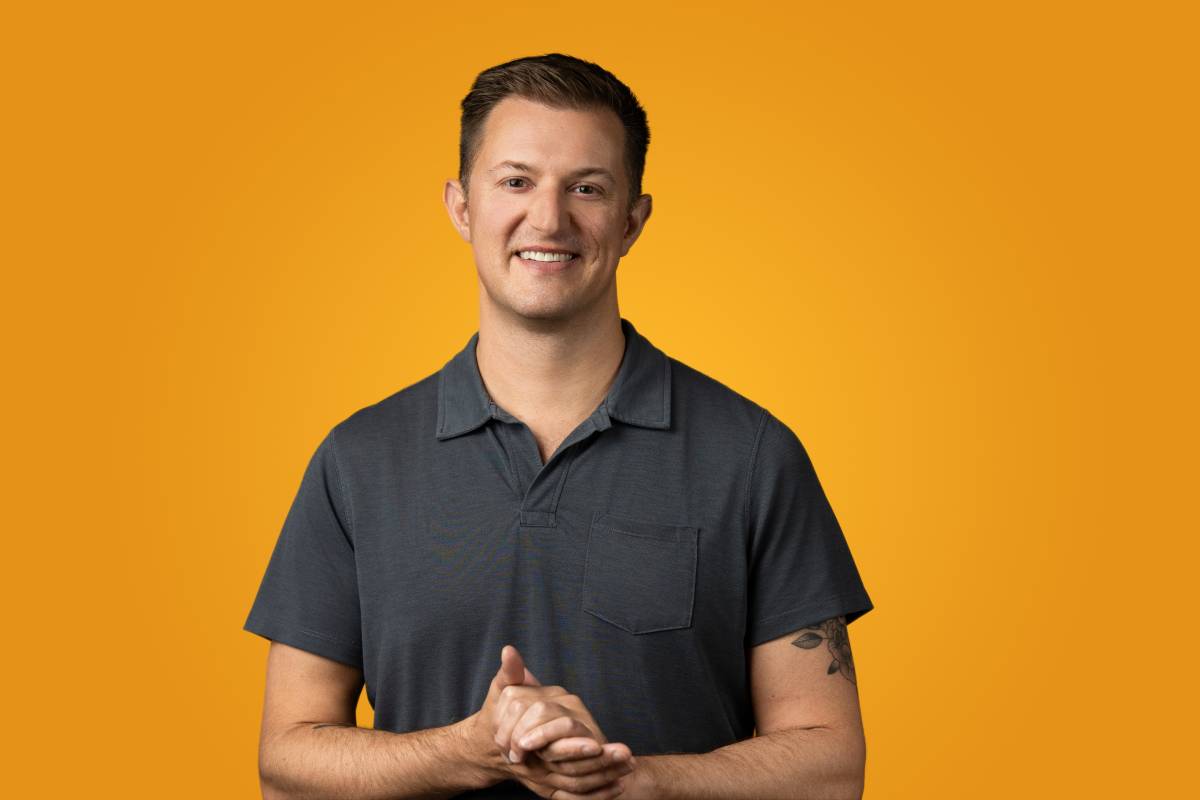
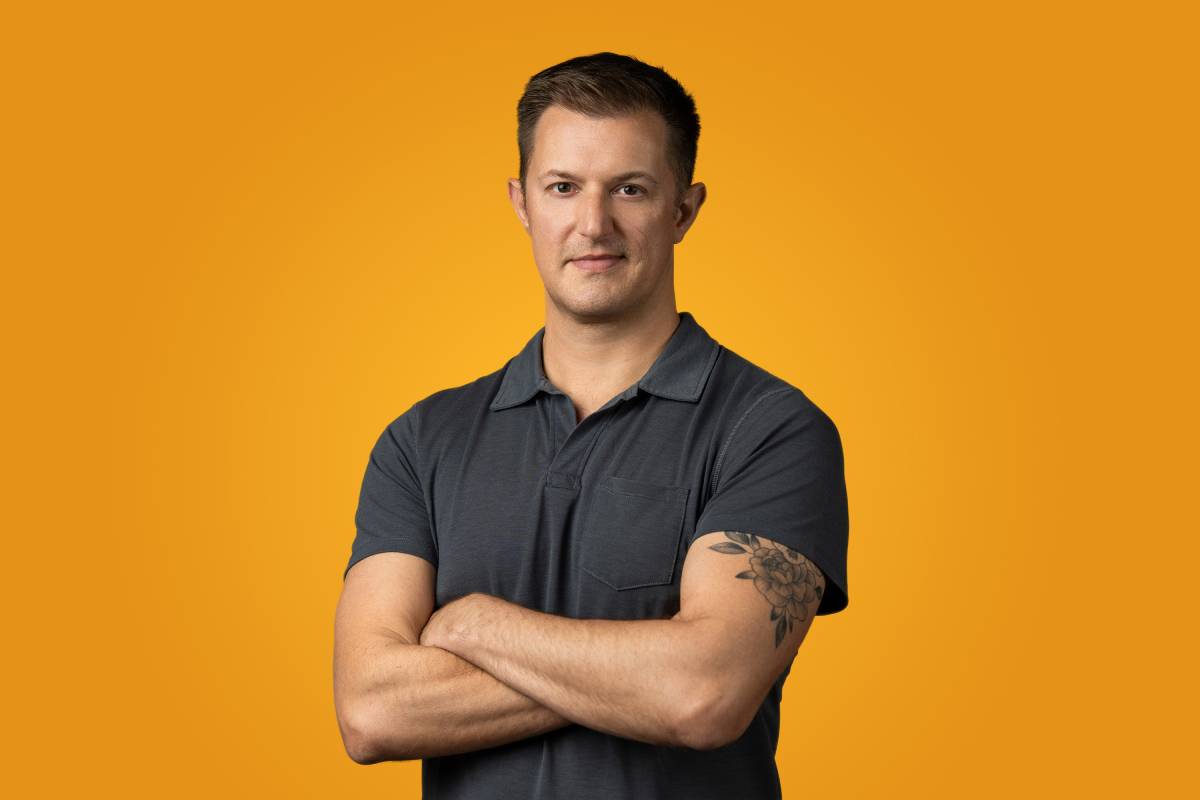
Tom is a sex and relationship coach specializing in helping gay men build secure, fulfilling, and lasting connections. Through coaching, workshops, and his book The Go-To Relationship Guide for Gay Men, he guides clients to explore vulnerability, pleasure, and intimacy in ways many never learned growing up. His work focuses on healing the relationship with self, understanding personal desires, and moving beyond rigid sexual and gender labels to create more fluid, shame-free connections.
Tom’s approach blends relationship education, sexual empowerment, and queer-focused research, helping men expand their understanding of intimacy beyond traditional expectations. For him, pleasure and authentic connection aren’t just about sex; they’re tools for self-knowledge, communication, and lasting relational satisfaction.
In our conversation, we explored how overcoming myths about love, letting desire lead rather than labels, and prioritizing pleasure over performance can transform queer relationships, while also discussing the importance of self-awareness and reclaiming authentic intimacy in everyday life.

Website
Belief That Keeps Gay Men From Real Intimacy
Tom, you’ve built your career helping queer people create relationships that thrive long after the honeymoon phase. What’s the most common myth gay men still believe about love and sex that quietly sabotages their happiness
Tom: The most common myth I encounter is that many gay men want their partners to read their minds in one way or another. This is especially true around repairs in relationships. Relationships are a series of ruptures and repairs, and gay relationships are no different there. Many of us have been raised male in cultures that didn’t teach us how to effectively be vulnerable and ask for what we want. Men were supposed to be strong and stoic, and when you get two of us together in a relationship, it can make the vulnerability dance that much trickier. Add in some good old, internalized homophobia, and you’re off to the races. I talk about this more in my book, The Go-To Relationship Guide for Gay Men.
Teaching the Love Queer Men Never Got
Queer men grew up without role models for what a secure, passionate attachment looks like. When someone walks into your office carrying shame or fear around intimacy, where do you start the healing process?
Tom: It starts with healing the relationship with self. If you don’t have a strong enough bond with yourself, it will be very tough to build one with another human. Many of us have learned to hide different parts of ourselves over the years, so the first step is to reconnect with what is important to you. Before you try and connect with another. Then you can work on how to share that with someone else. It seems easy enough, but when I ask a gay man something specific like, “When is the last time you explored pleasure in a sober, connected way?” many people go blank. And if you can’t answer a question like that, it will be very tough to coach a potential partner on how to please you more fully.
Letting Desire Lead, Not Labels
Top/bottom” and “masc/femme” labels can feel liberating for some and suffocating for others. When those roles start limiting sexual expression or self-worth, how do you guide clients toward more fluidity and freedom?
Tom: You forgot “side” there, or those who don’t like anal intercourse of any kind. It goes back to learning to explore and connect with your body and pleasure in a shame-free way. This personal exploration is an important step before you venture into partnered play. Many of us as gay men connect pleasure with fear or excitement because our first experiences were hidden or had to be covert. Once you can connect more with your body and have an embodied experience, you can expand and experiment with your sexual menu. I usually find men will move beyond labels during that period of expansion. However, there will always be certain types of sexual intimacy that will be on your “no” list, and that’s ok. Many of the roles are connected to the gender binary, and it’s much riskier to express yourself as a more feminine male-bodied person than the other way around. This certainly connects to pleasure.
When Pleasure Isn’t Equal
Let’s talk orgasm gaps in same-sex relationships Many gay men report one partner consistently “finishing” while the other doesn’t. Is this always a problem, and when it is, how do you turn it into an opportunity for deeper pleasure rather than resentment?
Tom: That’s not the most common issue I see. Mostly I see more pressure applied around orgasm. Either men want their partner to orgasm at the same time as them, or they see the experience as a failure if orgasm doesn’t happen. When we put orgasm-focused sex at the top of the hierarchy, we’re setting ourselves up for disappointment. We know that orgasm rates decline and erectile disappointments increase as we age.
When you can learn to deprioritize the orgasm and center pleasure instead, there’s usually more opportunity for better sex in the long run.

Love Languages in Queer Relationships
Do traditional frameworks like love languages and attachment styles translate effectively for queer relationships, or is there a need to redefine them?
Tom: Yes, there has been some research done on attachment styles and gay relationships, and the research shows similar findings as heterosexual folx. As for the love languages, we know that there’s no scientific research to back up that proposed theory. It’s more pop psychology. It was created by a minister who based the findings on his subjective observation. In recent years, there has been some research on this theory, and what they discovered was pop psychology. There were only two of the love languages that predicted relationship satisfaction. They were quality time together and words of affirmation. Thriving relationships had both of those two things. A more helpful way to think about the love languages is that they are more like a menu, and many of us want to experience different flavors at different times. The more ways love is expressed, the better. I’m not sure if that research looked at the findings in LGBTQ+ relationships, too. In general, we need more queer-specific research, as our relationships are different. We do have to research queer folx, because in many areas there are differences, and they aren’t explored or researched. We know this is true in areas like trauma, substance use, and partner status as we age.
Unfiltered one for our readers
If you could whisper one sentence into the ear of every queer person reading this, something that would instantly improve their relationship with sex, love, and themselves, what would it be?
Tom: Ask yourself what’s important to you in terms of relationships, and don’t compromise on that in order to avoid loneliness.

Editor Note
Tom’s insights cut straight to the heart of what it means to build lasting, meaningful connections as a queer man. Intimacy and pleasure are not just about sex; they are acts of self-knowledge, vulnerability, and liberation. When we shed shame, question rigid labels, and explore desire with honesty, we open doors to relationships that are secure, fulfilling, and deeply satisfying. Knowing yourself, understanding your needs, and embracing what brings you joy. These are not indulgences; they are essential steps toward living fully.
For many, the pressure to perform or meet expectations can cloud the true potential of connection. Tom reminds us that prioritizing pleasure over performance, curiosity over fear, and presence over perfection transform not only sexual experiences but also the way we communicate, trust, and relate to others. Healing the relationship with yourself becomes the gateway to authentic intimacy and emotional resilience.
“Ask yourself what matters most, honor it fully, and you unlock deeper connection, freedom, and fulfillment.”
