
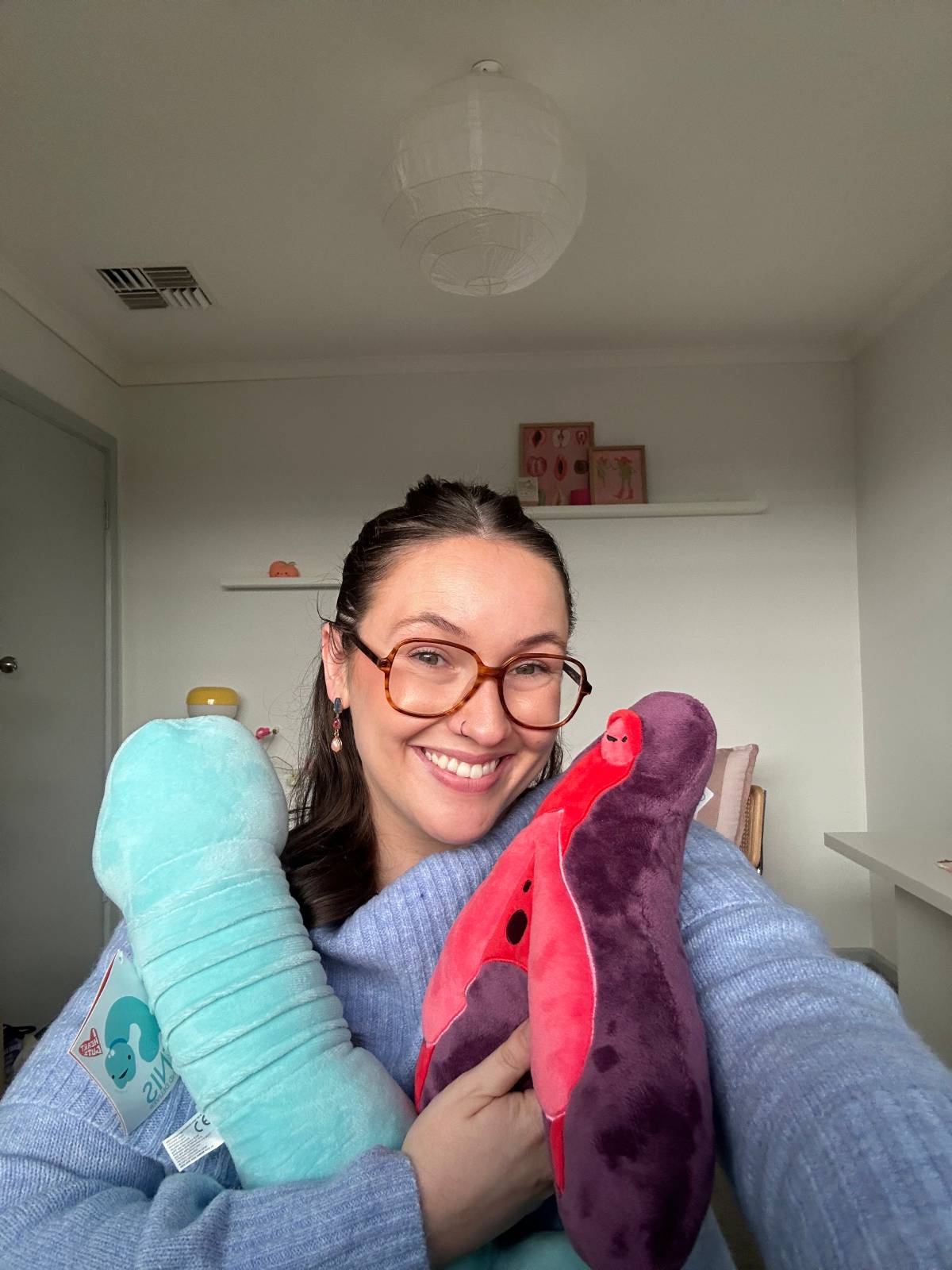
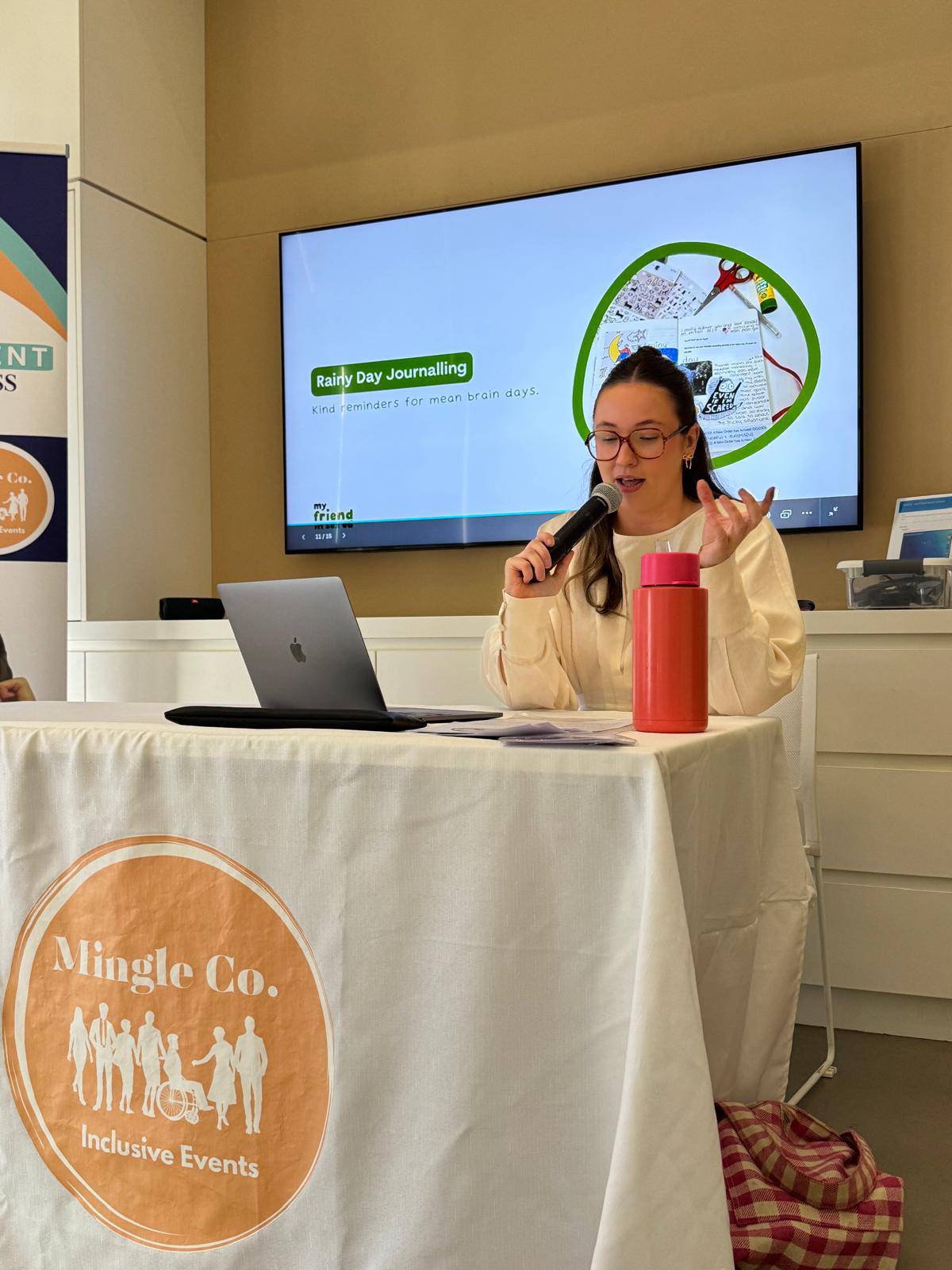
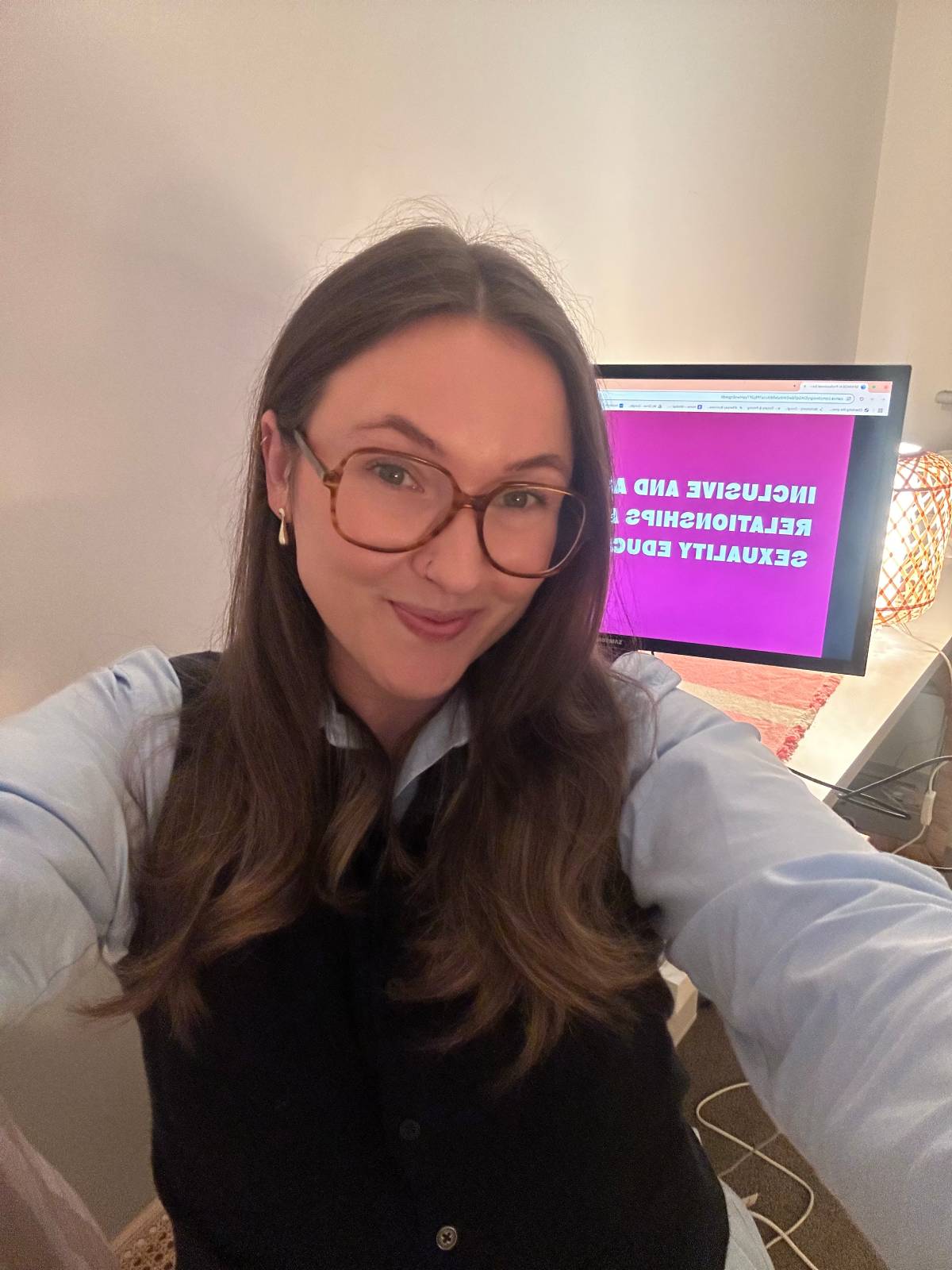
Niamh is an autistic and ADHD educator and the founder of My Friend in Sex Ed, a platform dedicated to creating sex education that truly fits neurodivergent minds. Through workshops, resources, and one-on-one guidance, she helps individuals explore sexuality, boundaries, and intimacy in ways that are accessible, affirming, and empowering.
Her approach blends sex-positive education, neurodivergent-affirming practices, and open conversation, ensuring that learning about sex and relationships is safe, inclusive, and free from shame. For Niamh, sex education is not just about information; it’s about autonomy, confidence, and feeling fully seen in your own experiences.
We dove into her personal journey, explored how she’s boldly transforming education for neurodivergent learners, and celebrated how owning your sexuality and boundaries can be a powerful act of self-discovery and liberation
Website
Redefining Sex Education:
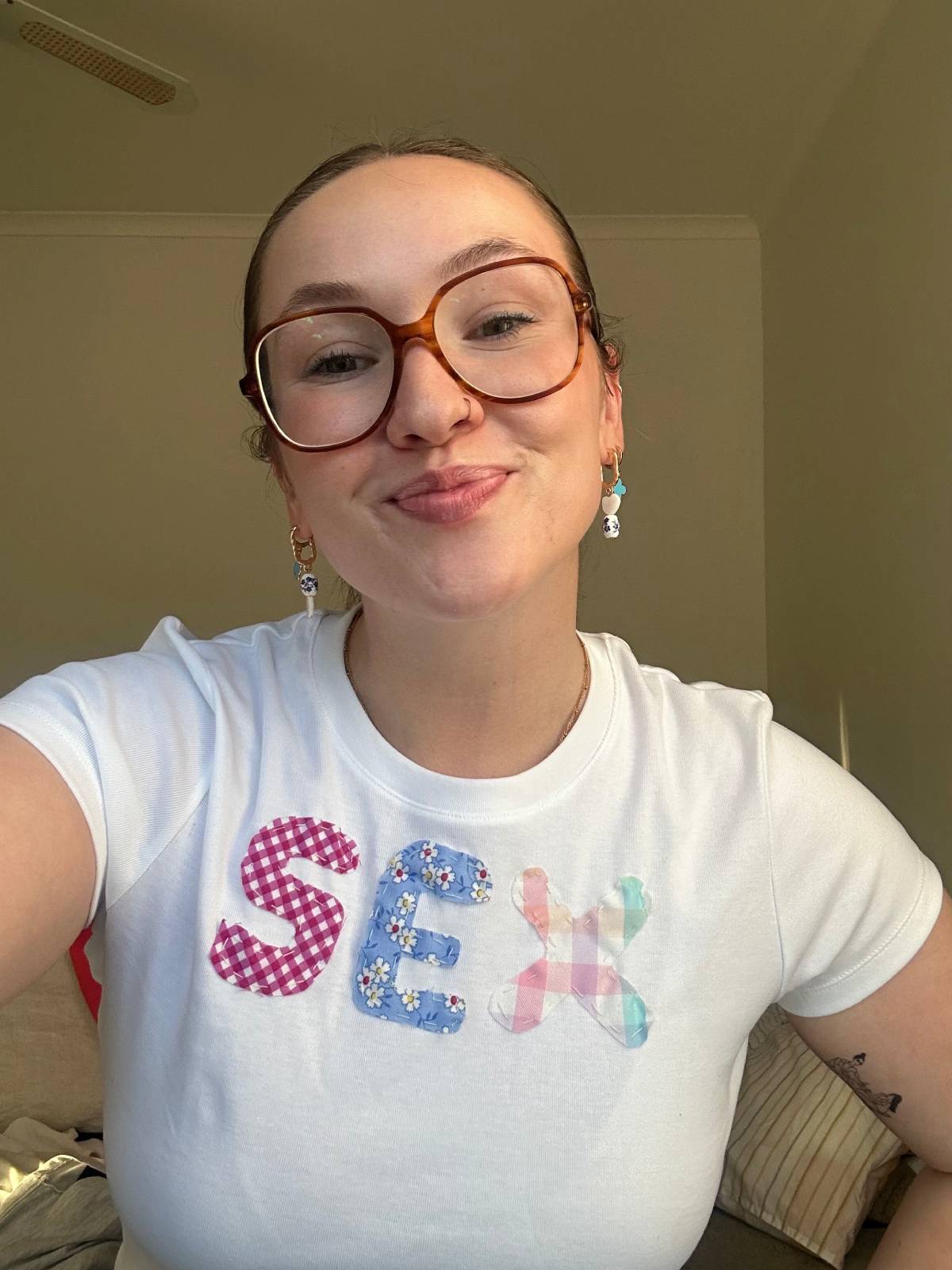
Creating sex education that actually fits neurodivergent minds. What was your personal journey that led you to start My Friend in Sex Ed, and how did your own experiences shape your mission?
Niamh: I’m an autistic adhder myself; I can very clearly remember my own sex education that rendered me speechless, so much so that my family had to take me out to see a performance to distract me! I can laugh now, but the information felt overwhelming, and I was left with more questions than answers and didn’t feel comfortable enough to ask them. As I began to realize that this career was a possibility for me, I wanted to make sure that everyone felt included, represented, and safe enough to learn with me.
Rethinking Sex Education for All Minds
People feel that sex education never “fits” their needs. What does sex-positive, neurodivergent-affirming education look like in practice, and why is it so important?
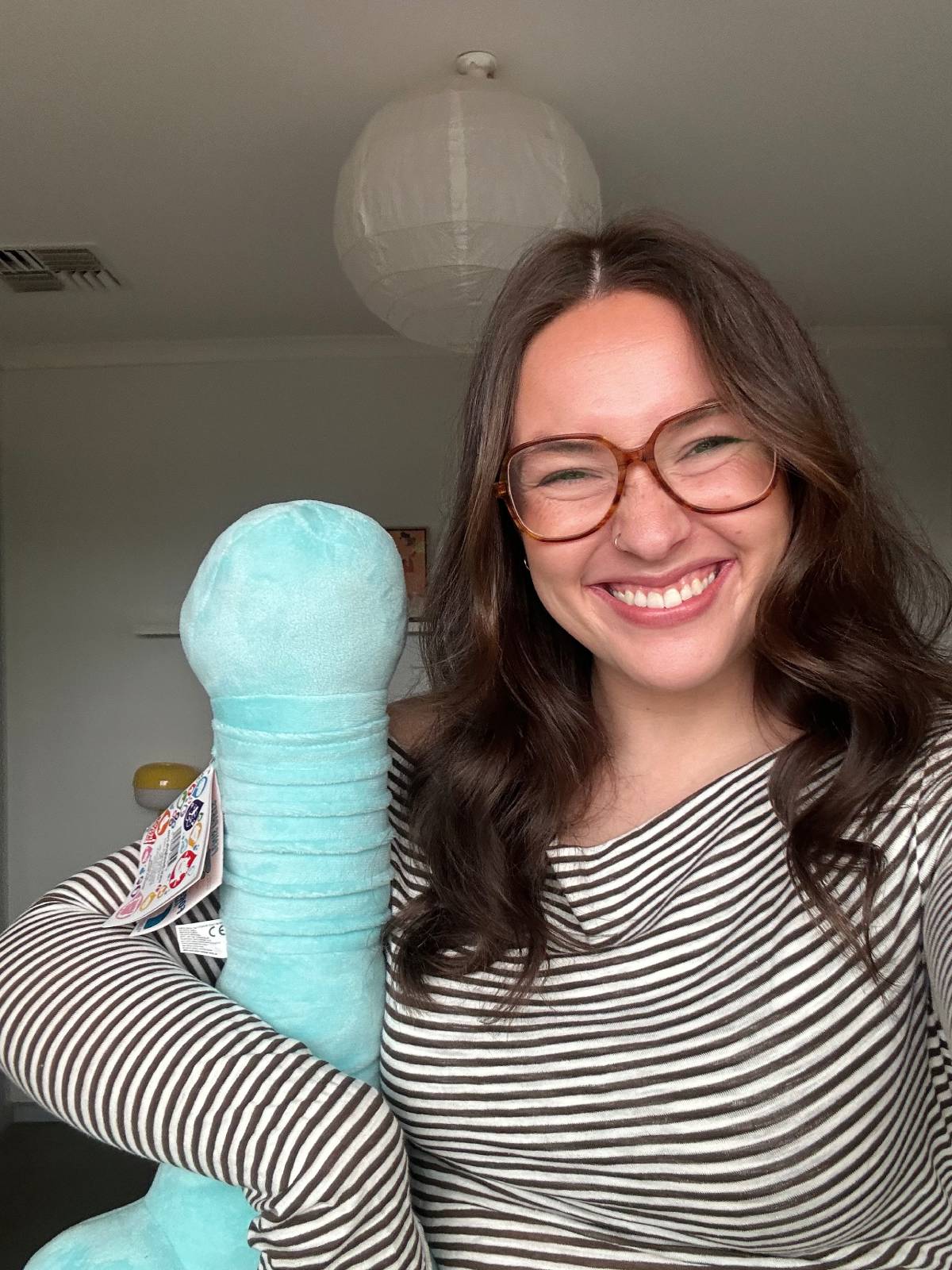
Niamh: Most sex education wasn’t designed with disabled or neurodivergent people in mind. It assumes everyone learns the same way, experiences their body the same way, and has the same relationship to sex and intimacy (big ol’ myth). Sex-positive education means ditching shame- and fear-based messaging. It’s about celebrating the full spectrum of human sexuality and treating all of it as worthy of exploration. Neurodivergent-affirming education means recognizing that people process information differently. When you combine them, you get education that fits. It’s accessible, validating, and empowering. It helps people see themselves in the material; it stops being something you have to translate or squeeze yourself into. It becomes something that’s actually for you.
Communicating Needs and Boundaries
Relationships and sexuality are deeply intertwined. How do you advise people to communicate their needs and boundaries in both romantic and platonic contexts?
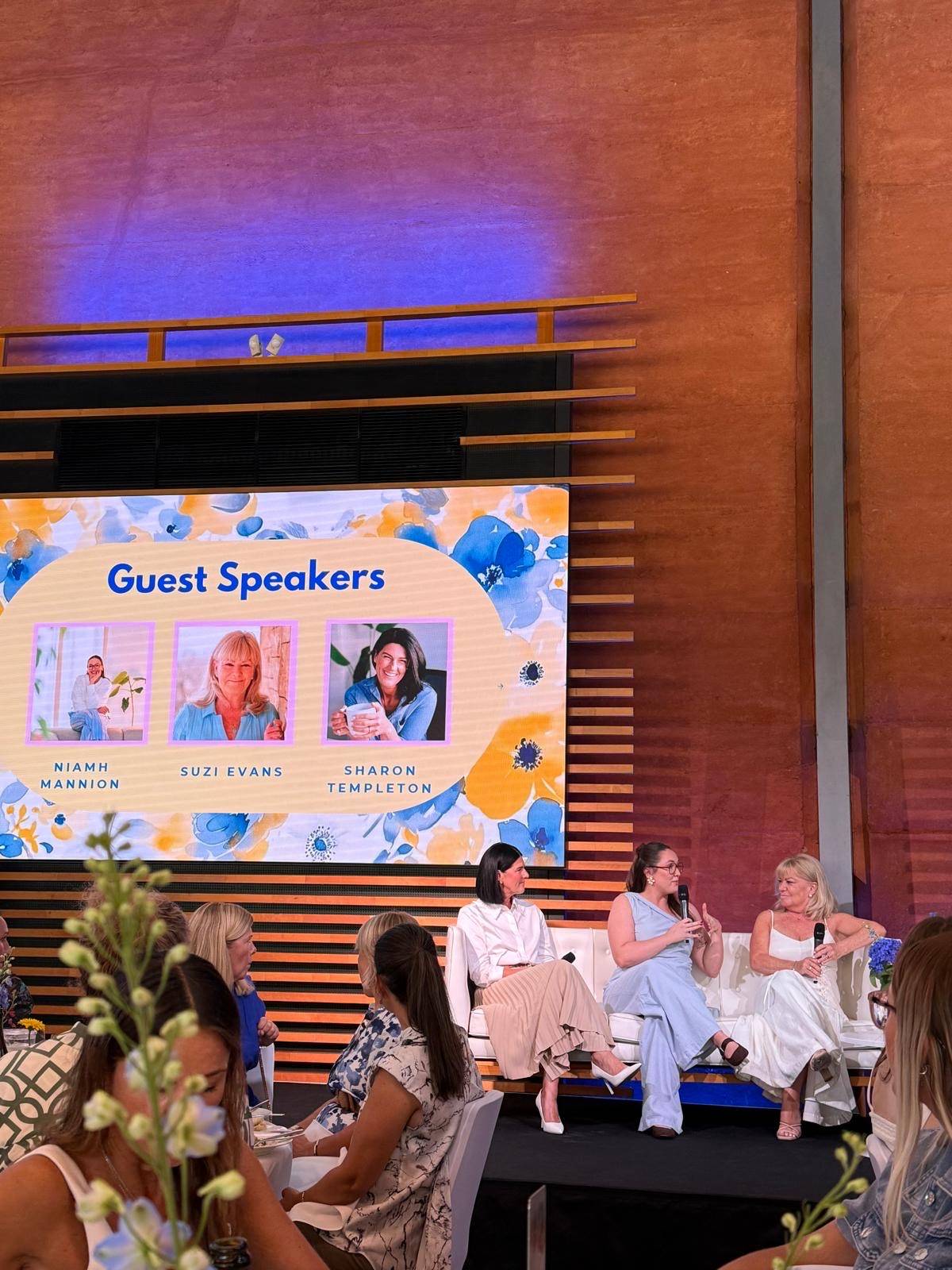
Niamh: It all starts with yourself, right? Like getting to know yourself, who you are, what you value, what you like or dislike, and how that shows up for you. That is going to vary so much from person to person, but once you can recognize what feels good for you, it becomes easier to advocate for yourself in that way. I also want to add that communication looks different for everybody; whether you prefer a long, deep, and meaningful chat or a text or a letter or using an AAC device, the ways we communicate as humans are just as rich and diverse as we are.
“Aha moment”
Have you ever had an “aha moment” in the bedroom or in relationships that changed your perspective on intimacy?
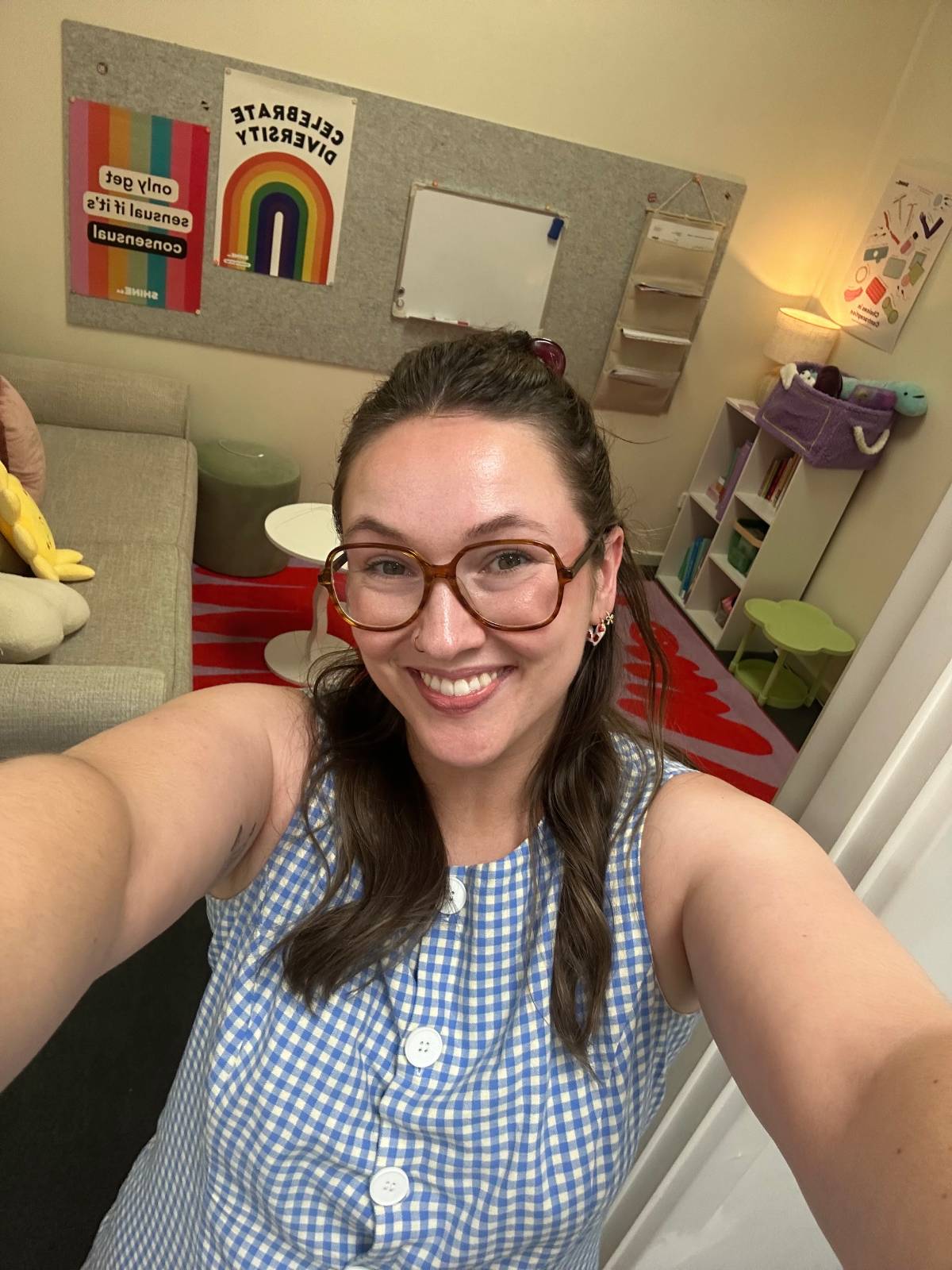
Niamh: There’d be hundreds! I’m constantly learning and evolving, but if I had to pinpoint a moment… it was understanding that my body doesn’t always cooperate the way I expect it to, and that’s actually okay. My sensory system is relatively unpredictable; some days touch feels amazing, and other days it’s totally overwhelming.
For a long time, I thought that made me a bad partner, or like I was failing at intimacy. I suppose the shift came as I learned more about my sensory preferences and got curious about the how/when/where and why of what made me feel safe and connected.
Consent vs. Liberation: Finding Balance
There’s often debate about “consent culture” versus “sexual liberation.” How do you see these ideas intersecting, and do you think one is more important than the other?
Niamh: Gosh, yeah, I don’t think they’re actually in opposition at all. I think consent is liberation. Consent is the freedom to explore, to say yes, to change your mind and figure out what you want, to hear no and accept it, and to be a safe person to take that no and treat it with respect; it’s both of them holding hands. For the folks I work with in particular, this intersection is everything. Many disabled and neurodivergent people have been denied both, with choices being made for them or being put in situations without proper support or understanding.
Real liberation means having access to information, being believed when and how you communicate, and having your autonomy respected. You can’t have true sexual liberation without a culture that centers consent in a way that people are genuinely free to use it.
Needs a Reality Check
What’s a common piece of “sex advice” that drives you crazy because it’s outdated or unhelpful?
Niamh: “They’re not ready for that conversation yet.” I hear this so often from parents, support workers, and educators when it comes to disabled people. And it drives me up the wall.
Because who gets to decide when someone is “ready”? Usually, it’s not the person themselves; it’s someone else making assumptions about their capacity, maturity, or need for information. If we wait until we think they’re “ready,” we’ve often already missed the window. We’ve left them without the language, boundaries, or understanding they need to stay safe themselves and make informed choices. Being left to figure things out on your own or learning from unsafe sources is actually more harmful. There is so much research that supports this too; the earlier the better, and of course, you can consider age and stage, but maybe check in with your own biases; maybe it’s you who is not ready?
Future Vision
If there’s one piece of advice or insight you could leave our readers with about sexuality, relationships, or self-discovery, what would it be?
Niamh: Your sexuality doesn’t have to look like anyone else’s. Seriously. There’s no timeline, no checklist, and no “right” way to experience desire or connection. Your body gets to have limits. Your brain gets to work differently. You’re allowed to change your mind, need different things at different times, or not want what everyone else seems to want.
And I know that’s easier said than done. We’re on a checklist, and we’re getting messages alllll the time from media, from peers, and from the people we grew up with about what sex and relationships are supposed to look like. What’s “normal,” what’s desirable, and what makes you worthy of love or connection? Those messages are loud, and they’re everywhere. So, choosing to tune them out and figure out what actually works for you? That takes guts. It’s not passive. It’s an active, ongoing choice to trust yourself over all that noise.
The most liberating thing you can do is stop trying to fit someone else’s idea of what your sexuality should look like and start discovering what it actually is for you.

Editor Note
Niamh’s journey shows that sex education should meet people where they truly are, honoring every mind, body, and experience. Embracing your unique ways of learning and feeling is not a limitation; it’s a path to deeper understanding, self-respect, and meaningful connection. True empowerment comes from recognizing your boundaries, exploring your desires at your own pace, and trusting yourself even when the world sends conflicting messages about what’s “normal” or “right.”
What feels most inspiring is the gentle courage it takes to listen to yourself, advocate for your needs, and embrace your sexuality with kindness and curiosity. Her insights encourage everyone to create their own understanding of pleasure, intimacy, and consent, showing that the most profound growth begins with honoring who you are, exactly as you are.
“True liberation comes from listening to yourself, honoring your boundaries, and embracing your sexuality on your own terms.”
