
The intimate origins of Bawdee, a brand born not from market opportunity alone, but from a deeply personal reckoning with identity, body, and desire. Emily opens up about a transformative postpartum chapter that led her to rediscover her sexual self and confront how much of women’s pleasure, health, and anatomy has been historically overlooked, misrepresented, and under-discussed.
What began as an inward journey of healing and self-awareness gradually evolved into something larger, a purpose-driven brand built to help other women reconnect with their bodies without shame or silence.
In her reflections, Emily speaks candidly about the contrast between awe for the female body and frustration at the systems that have long minimized it, shaping Bawdee into a space rooted in education, emotional connection, and lived experience.
The conversation also explores the realities behind building an intimacy-focused brand in a culture that still treats sexuality as taboo. From platform censorship to retail resistance, Emily shares the friction between intention and visibility and what it takes to keep creating in that space.

Website
The Moment Bawdee Was Born
Bawdee was born from a deeply personal transformation. At what moment did you realize this journey needed to become a brand that could serve other women, too?
Emily: I was about six months postpartum when I realized I had been neglecting my sexual self. The more I read, the more I practiced, the more I realized just how healing it was to reclaim the part of myself that I had repressed for so long. I remember feeling this sense of awe for the female body, appreciation for what it is capable of, and the immense power it holds. At the same time, I remember feeling such a deep sense of sadness and rage at the unfairness of it all. The female pleasure anatomy was removed from medical textbooks in 1948.
The clitoris was only fully mapped in 1998. That the sex ed I received in school was fear-based, and the fact that women’s health has been historically understudied, underfunded, and severely underserved. As someone who has had my fair share of health issues, including recurring thrush and UTIs, I naturally have a huge interest in women’s health and wellness. I suppose this combination of factors created the perfect storm from which the idea for Bawdee emerged. I pitched the idea to my partner, Lucas, that night, and the rest is history.
Bawdee Sees Intimacy Differently
Many intimacy brands focus on aesthetics or performance. Bawdee feels rooted in emotional connection and self-awareness. What makes your approach to intimacy different from what’s already in the market?
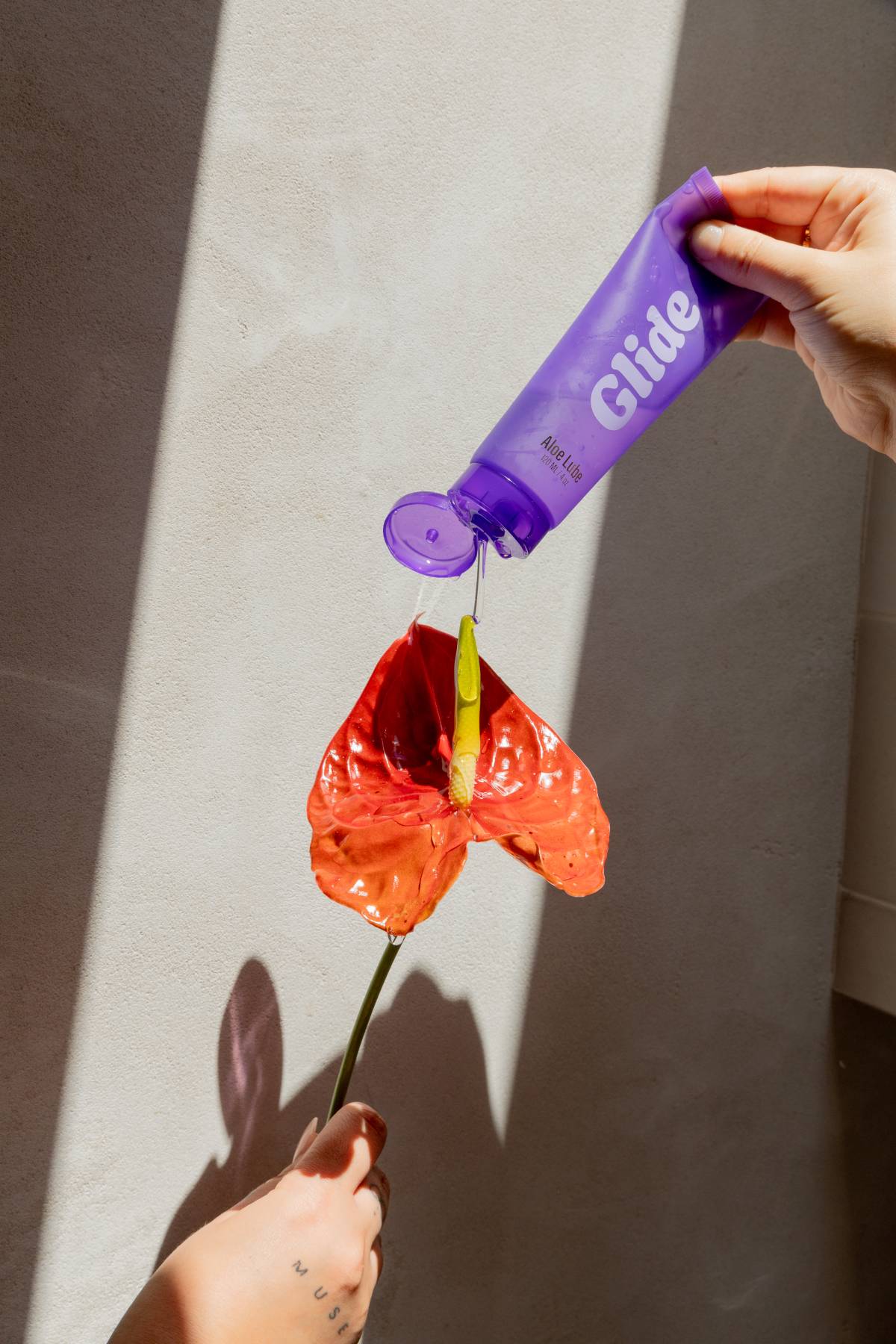
Emily: Bawdee is very much a reflection and an extension of me. The business has grown alongside my own personal growth and shares my own values as a result. I think that in itself is what makes our approach to intimacy different, as it is based on my own lived experience and perspective as a woman and a mother, rather than a more traditional, patriarchal, profit-driven approach.
Creating a Brand That Talks About Sex
Starting an intimacy-focused brand can be confronting, especially when conversations around sexuality are still taboo in many spaces. What challenges did you face while building Bawdee, and how did you push past them
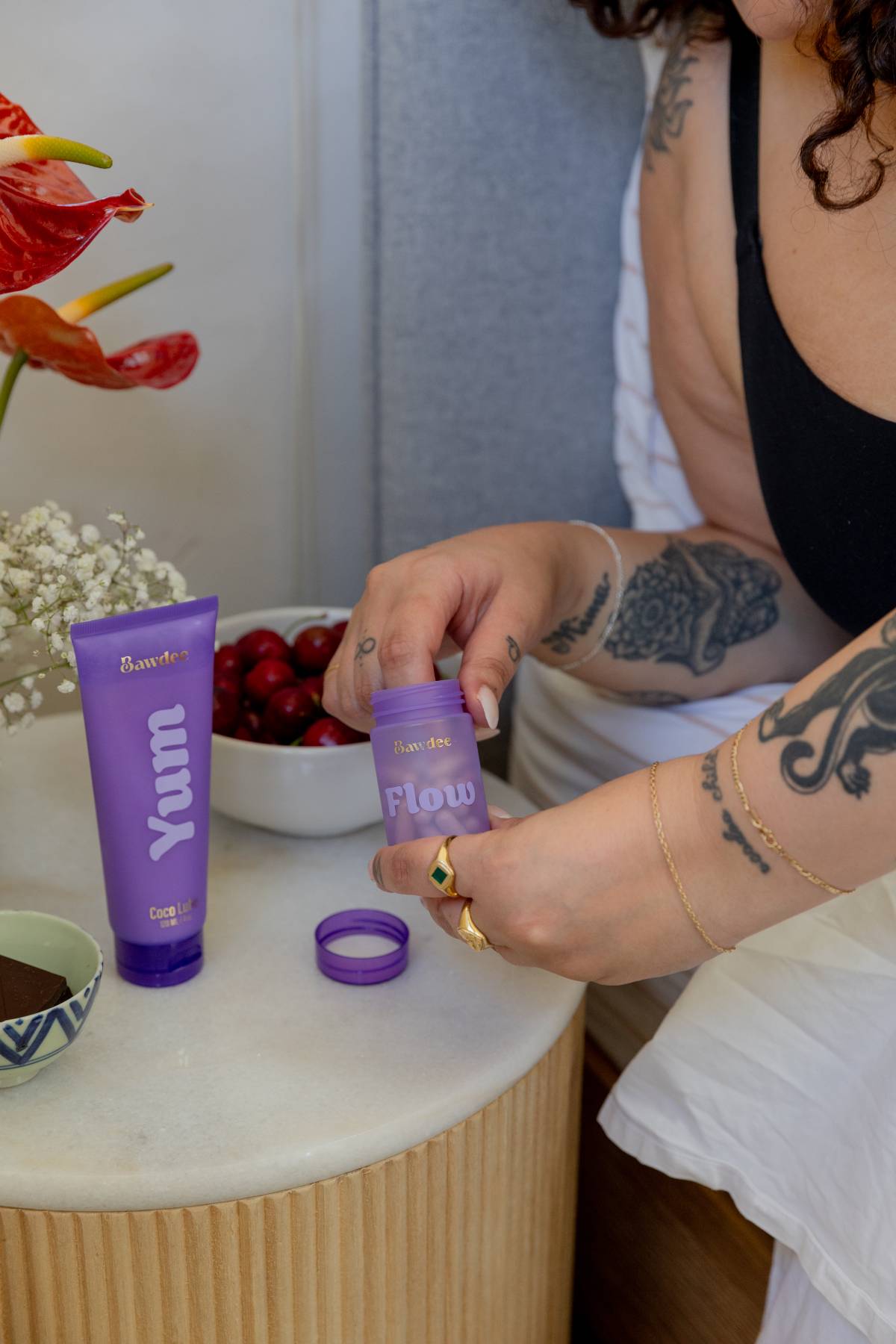
Emily: Confronting, yes, but my desire was greater than my fear. We knew nothing about creating this brand was going to be easy, but once we started, we couldn’t stop. Firstly, there were my own personal challenges like learning how to be comfortable in front of a camera, let alone talking about sex online. Then there were the challenges that came with building a brand from the ground up—self-funded and with a team of two. We had to figure out how to promote the brand while staying in Meta’s good books. Not surprisingly, within our first year, our ad account was disabled twice. To get it back, we had to take down our blogs and remove words like ‘pleasure,’ ‘sex,’ and ‘intimacy’ from our website.
Even now, when we do comply with Meta’s guidelines, our posts are still taken down and our reach is limited. It’s frustrating because we are forced to censor important keywords to ensure that our content is shown to people. That’s just our reality as a sexual wellness brand. Our current challenge right now is getting our products into physical stores. We’d love to see Bawdee on the shelves next to your favorite skincare and beauty products, but we’re finding that despite the demand being there, many retailers still consider sexual wellness too taboo to be featured on the shelf. We always knew having a sexual wellness brand was going to be challenging, but our purpose continues to drive us, despite all the setbacks.
What I Learned from the Experts
You’ve been influenced by voices like Emily Nagoski and Esther Perel. What key lessons from their work changed how you view desire, intimacy, and emotional connection?
Emily: E. Nagoski (in her books ‘Come as you are’ and ‘Come together’) taught me not to believe everything I think. It’s how I feel that is truly important. By learning to challenge the societal norms and expectations around female sexuality, I began to develop a new understanding of sexuality. I learned to replace self-criticism with kindness and self-love, and just how important it is to a fulfilling intimate life. I learned that there are certain things that fuel desire and support arousal, as well as things that inhibit sexual arousal. I learned that ultimately, when it comes to pleasure, context is everything, and for women, turning off the off’s is as important as turning on the on’s. Learning this completely changed my perspective on desire and libido. I think it’s so common for women to feel like having a ‘low libido’ is a problem when, in fact, it’s an opportunity for couples to open up the conversation and get really honest about each other’s needs and desires.
Perel’s book ‘Mating in Captivity’ taught me about the powerful concept of erotic intelligence, or the ability to connect with my own sexual energy and desires. I learned that my sexuality is for me first and foremost, which was a profound realization because up until that point, everything I did was for my partner’s pleasure and satisfaction rather than my own. Once I became consciously aware of this disconnection, I was then able to begin cultivating an intimate relationship with myself, prioritising my needs, desires, and my pleasure, which I was then able to teach my partner. Esther taught me that when my innermost desires are revealed and are met by my partner with acceptance and validation, the shame dissolves and intimacy becomes an experience of healing and empowerment. I started looking at sex as an adult playground and an opportunity to reconnect physically and emotionally with my partner. By infusing more play, imagination, and curiosity into intimacy, it not only became fun and exciting but also an ongoing and transformative journey.

How It’s Meant to Make You Feel
For someone discovering Bawdee for the first time, what experience or feeling do you hope they walk away with after engaging with your products and platform?
Emily: I always hoped Bawdee would serve as a source of inspiration and education. To encourage women to take their pleasure seriously and to help them rediscover their bodies and their pleasure as a source of power.
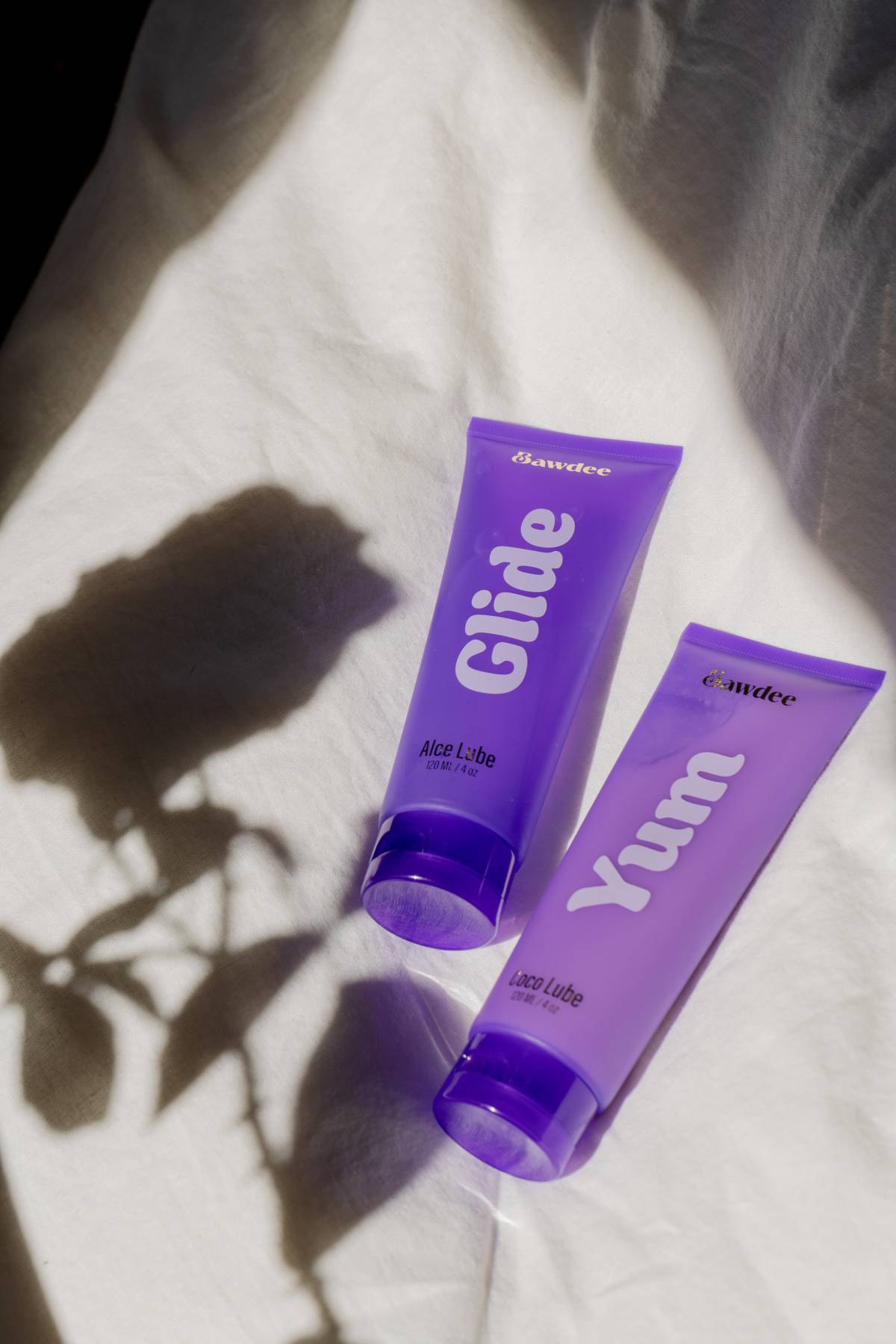
We designed the brand in a way that would evoke a sense of excitement and curiosity. We believe sexuality is something to be celebrated and enjoyed, not hidden, so we designed the bright purple packaging to reflect this. With our platform, we hope to spark the conversation around sex so that people may empower themselves, and with our products, we help people feel a sense of comfort and relief. Bawdee exists to help people feel in control of their own bodies and health and to feel comfortable exploring their sexuality over a lifetime.
Editor Note
Emily’s story is not just the origin of Bawdee but also the clarity behind it. This is a brand built from lived experience, from the uncomfortable truth that women are still taught to disconnect from their own bodies before they are ever taught to understand them. Emily’s perspective reminds us that intimacy is not a performance but a practice rooted in education, self-awareness, and permission.
Her journey also exposes a wider cultural tension: while sexuality is often policed, minimized, or censored, the need for honest conversation has never been greater. Bawdee stands as a reminder that when women are given language, knowledge, and space, pleasure becomes more than personal. It becomes powerful.
When we stop treating women’s pleasure as taboo, we begin treating women’s lives with the seriousness they deserve.
