
Gayatri’s work begins with curiosity, the kind that quietly grows in spaces where questions are discouraged, and silence becomes normal. Growing up in India, she found herself drawn toward conversations around sex, intimacy, pleasure, and desire long before the people around her were willing to acknowledge them openly. What started as personal curiosity slowly turned into something far more intentional: a desire to make sexuality feel less shameful, less hidden, and more human.
Over the past seven years, her journey through sex education has expanded from content writing into counselling, educational advocacy, and creating digital spaces where conversations around intimacy feel approachable rather than clinical. Through blogs, podcasts, collaborations, and social media, she has built a voice that feels warm, emotionally aware, and deeply grounded in the realities people quietly struggle with every day.
There’s honesty in the way Gayatri speaks about sexuality. Not as something performative or taboo, but as something deeply connected to emotional safety, self-awareness, pleasure, identity, and communication. Her perspective moves beyond surface-level discussions of sex and instead explores the emotional weight people carry around desire, consent, fantasies, shame, and connection, especially within a culture where these conversations are still heavily censored.
In this conversation with Gayatri, we explore the tension between curiosity and conditioning, the evolving landscape of sexual wellness in India, and why intimacy begins not with performance, but with honesty, communication, and the courage to understand ourselves more deeply.
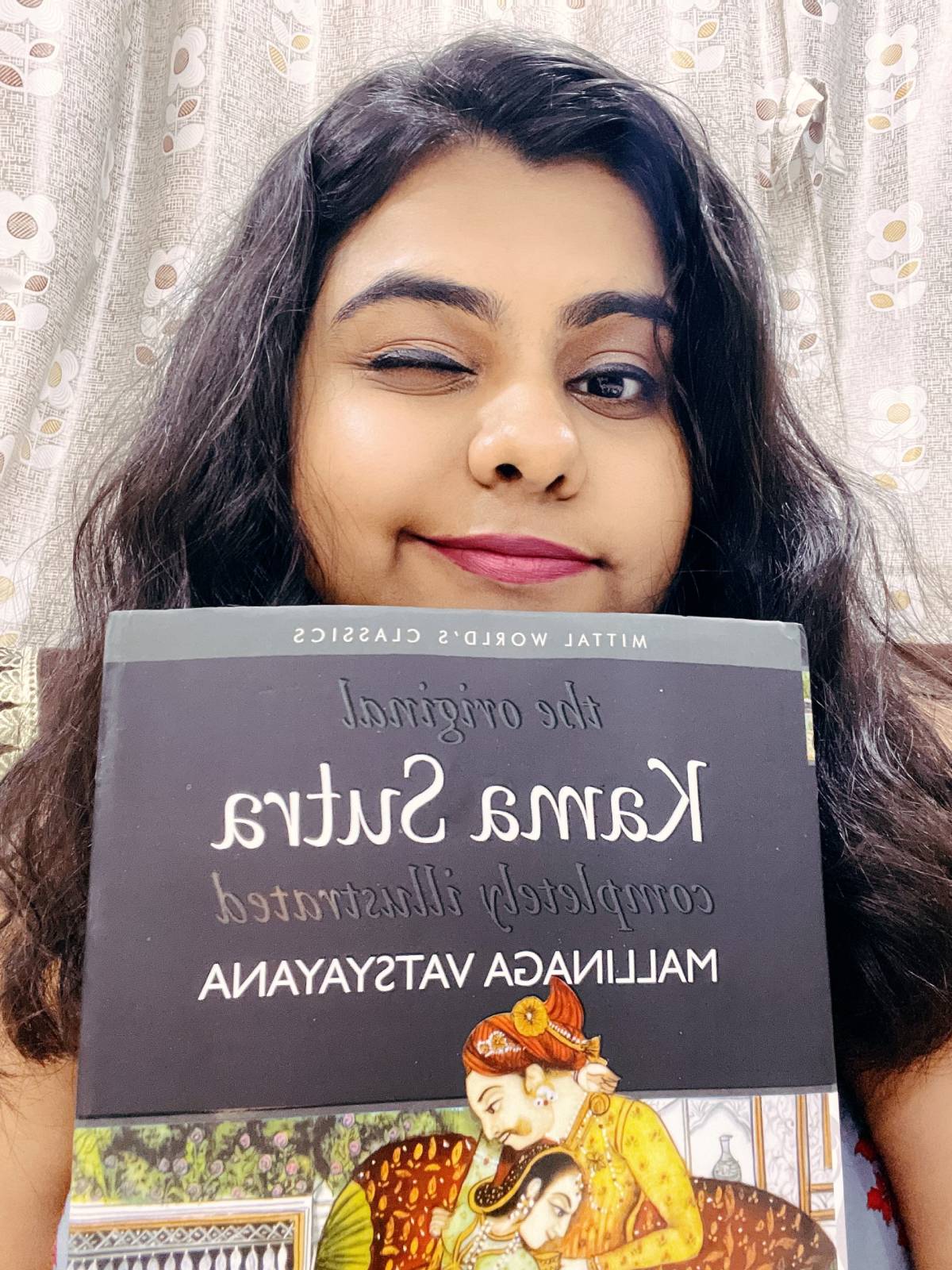
Sex Education Became a Calling, Not Just a Career
Your work sits at the intersection of education and intimacy. What was the moment you realised sex education wasn’t just information for you but a personal responsibility or calling?
Gayatri: When I was in ninth grade, I realised I was curious about things nobody around me wanted to talk about. Sex, intimacy, pleasure, bodies, porn, erotica – all of it. Not in a reckless way, but in a very human way. I would secretly read magazines, search things online, and try to understand why something so natural was treated like a crime to even discuss. Growing up in India, you realise very early that sex education barely exists. People will talk about marriage. babies, “good girls” and “bad girls”, but nobody actually teaches you anything about your own body. That silence fascinated me first, and then it frustrated me.
As I grew older and finished college, I started noticing how deep the lack of awareness really goes. People don’t know basic anatomy, women don’t know their own pleasure, men grow up learning intimacy from porn, and conversations around hygiene, consent, desire, or emotional intimacy almost don’t exist. Everybody is curious, but nobody has a safe place to ask questions. And when a society keeps everything hush-hush, curiosity doesn’t disappear; it becomes shame, confusion, guilt, and sometimes even violence. Honestly, looking at the crime rates in India, especially around sexual violence, I kept feeling that if people had healthier conversations around sex and intimacy from the beginning, things could be different.
That’s when sex education stopped feeling like “content” to me and started feeling personal. I started creating content almost six years ago, and the more I spoke, the more I realised how many people were silently listening. Women especially. Women who had never been told that pleasure is for them, too. Women who didn’t even know how disconnected they were from their own bodies because nobody ever allowed them to explore that side of themselves without shame. I knew I wanted to contribute, even if it was within my own little circle or corner of the internet. Not because I think I know everything, but because I know what silence does to people.
I still don’t randomly walk into rooms talking about sex like it’s small talk. But people around me know this is what I stand for. This is my passion. And honestly, this field is still not seen as a “mainstream” career, especially here, but I want to make it one for myself. Because to me, sex education is not just about mechanics or biology. It is about understanding intimacy, power, shame, pleasure, relationships, curiosity, and even culture. I’m deeply interested in things like the Kama Sutra too, and it amazes me that something that originated in India is now understood and explored more openly in the West than here. Most people don’t even know the actual depth or context behind it.
I’m a writer first, and maybe that’s why I express all of this through words. I’ve written blogs around sex education, intimacy, and pleasure, and someday I genuinely want to write a full book about it. Because this was never just a career choice for me, it became a calling the moment I realised how many people are living with questions they are too scared to ask out loud.
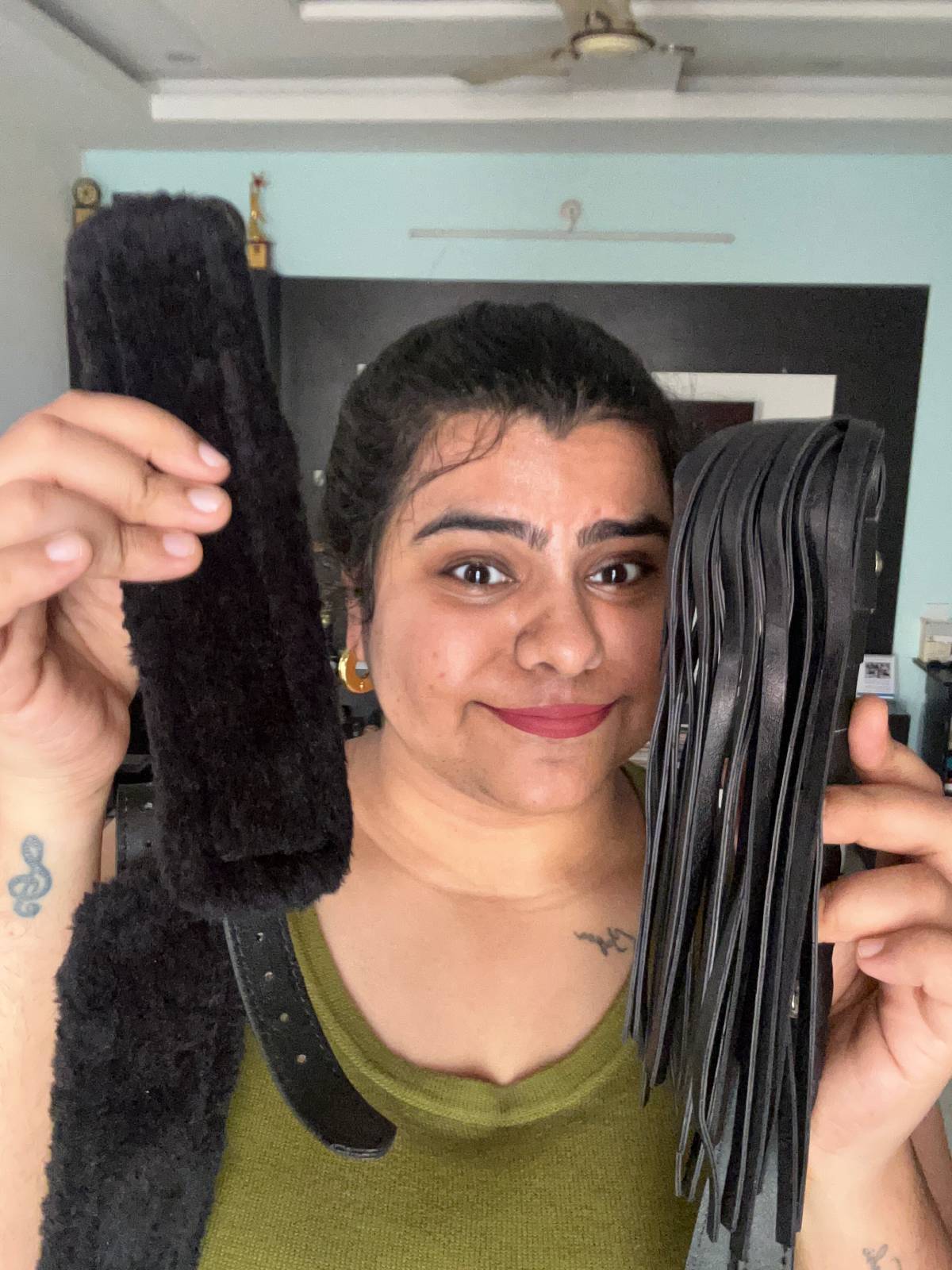
The Question We Avoid
What’s a question you wish more people had the courage to ask about their own desires but rarely do because of shame or conditioning?
Gayatri: I think one of the biggest questions people are scared to ask is simply, “What do I actually want?” And I’m specifically talking from the perspective of India because that’s the environment I’ve grown up in and the audience I mostly interact with. Here, desire itself is treated like something shameful, especially if it comes from women. Women are taught how to adjust, how to tolerate, and how to please, but rarely how to ask. Nobody teaches women that their pleasure matters too. Sex is still seen by many people as something only meant for marriage and babies. That’s it. Produce children and move on. But women are deeply emotional, sensual beings, and honestly, I feel women have desires just as intense, sometimes even more layered than men, because our bodies and emotions are so complex.
I genuinely wish more women had the courage to ask questions like “What do I enjoy?” “Why am I not feeling pleasure?” “Why am I ashamed of my body?” or even “Why do I always feel guilty for wanting intimacy?” Because most women don’t even reach the stage of expressing desire openly. We are conditioned from childhood to suppress it. And when women don’t talk about their needs, men also grow up not understanding women beyond surface-level intimacy. Men openly ask for what they want physically, but women are expected to silently accommodate. I wish there were more dialogue around what women need emotionally, physically, and sexually, without shame attached to it.
And honestly, this conversation doesn’t even begin with sex. It begins with periods. In so many parts of India, periods are still treated like something impure. Women are told not to enter temples, not to pray, not to touch certain things, and sometimes not even to sleep on the bed. In some households, women are still isolated during menstruation. And at the same time, so many women are silently struggling with PMS, PCOS, PCOD, hormonal issues, body pain, and emotional burnout, but nobody wants to openly discuss any of it. So how do we even expect women to comfortably talk about pleasure when they’ve been taught to feel shame around their own biology first?
At the same time, I feel men also need more space to ask vulnerable questions. Society assumes men always want sex, are always ready for it, always dominant, and are always emotionally unattached. But that’s not true at all. I know men who struggle with intimacy, men who don’t want sex sometimes, and men who are emotionally disconnected, but they feel ashamed to admit it because masculinity in our society is so performative. I wish more men asked themselves and their partners questions like: “What does consent actually look like?” “How do I communicate emotionally?” “What does my partner need apart from sex?” Consent is still such an important conversation that many couples avoid completely.
And then come fantasies and hidden desires, probably the area where people carry the most shame. So many couples I’ve spoken to are terrified to tell their partners what they actually fantasise about because they fear judgement. It could be anything: roleplay, voyeurism, cuckolding, threesomes, dominance, submission, or whatever it is. The desire itself is not always the problem. The fear of being seen or judged for it is the problem. People are carrying entire secret worlds inside them but are too scared to even say one sentence out loud to the person they love. And I honestly think that’s why so many relationships lose intimacy over time. Not because desire disappears, but because communication disappears.
So for me, it’s not one question I wish people asked more. It’s many. Questions around periods, consent, hygiene, foreplay, fantasies, emotional intimacy, pleasure, rejection, and communication – all of it. I think when people finally start asking honest questions without shame, intimacy becomes healthier, relationships become softer, and sex stops feeling like performance and starts feeling like connection.
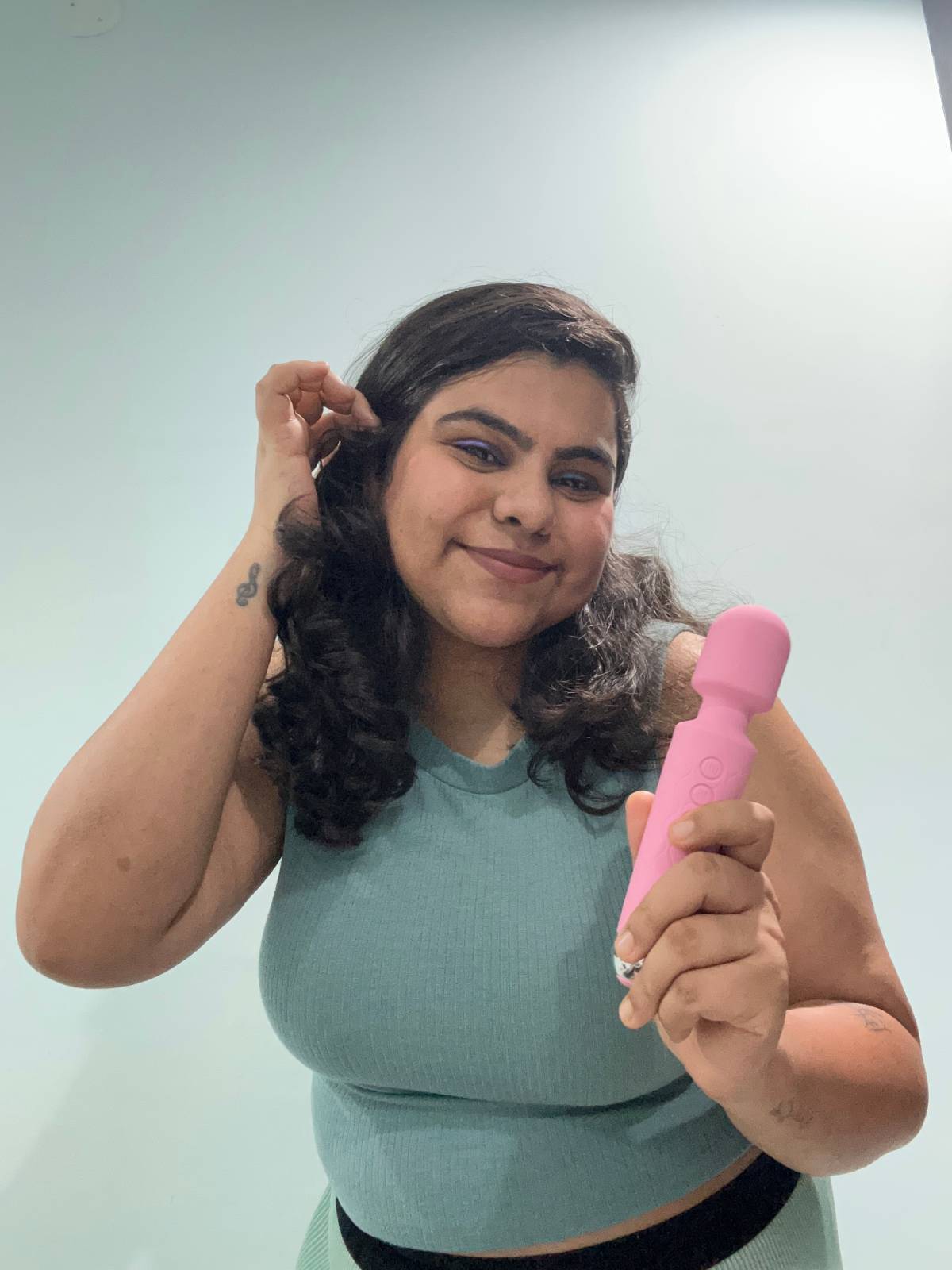
Silence Around Sexual Well-Being in India
Sex education in India often comes with silence or shame attached. What has been the most powerful shift you’ve witnessed in how young people now talk about their sexual well-being?
Gayatri: Sex education in India has always come with silence attached to it. Shame, awkwardness, fear – all of it. And honestly, being the land where the Kama Sutra originated, it’s quite ironic that even basic conversations around sex, periods, pleasure, or intimacy still make people uncomfortable here. Growing up, I never really saw open discussions around sexual health. Schools barely teach it properly, parents avoid it, and most people learn things secretly through the internet, porn, or friends. But in the last six years, especially, ever since I started creating content in this space, I’ve genuinely seen a huge shift.
The biggest shift I’ve noticed is that Gen Z is far more vocal and unapologetic about their sexual well-being than previous generations ever were. They openly talk about therapy, consent, pleasure, sexuality, periods, body image, and even queer identity. Earlier, people would whisper these things privately or feel embarrassed even searching for them online. But now, younger people are actually creating conversations around it publicly, especially on social media. LGBTQ conversations have also become much more visible, and that honestly makes me very happy because people are finally finding language for things they were forced to suppress earlier.
I also think this generation is normalising pleasure in a way India has never really seen before. If you notice, so many pleasure brands, sex toy brands, and intimate wellness companies in India are being started or supported by younger people themselves. They are trying to say that intimacy is not dirty, pleasure is not shameful, and sexual wellness is also wellness. And I genuinely love seeing that confidence. They ask questions openly now. They discuss periods openly. They call out double standards. They are trying really hard to break generational shame patterns, and that itself is such a powerful shift to witness.
At the same time, I don’t think we are fully there yet. Most of this openness is still visible in cosmopolitan spaces, social media bubbles, or tier-1 cities. In many tier-2, tier-3 cities and villages, periods are still taboo, and sex education. There are still households where girls can’t openly talk about cramps or buy pads without shame. So yes, things are changing, but very unevenly. I do feel today’s parents are slightly more open compared to older generations, and that matters a lot because healthy conversations start at home first. When children grow up in an environment where questions are not punished, they naturally become more expressive outside, too. So I think this shift is beautiful, but it’s also just the beginning. There’s still a very long way to go.
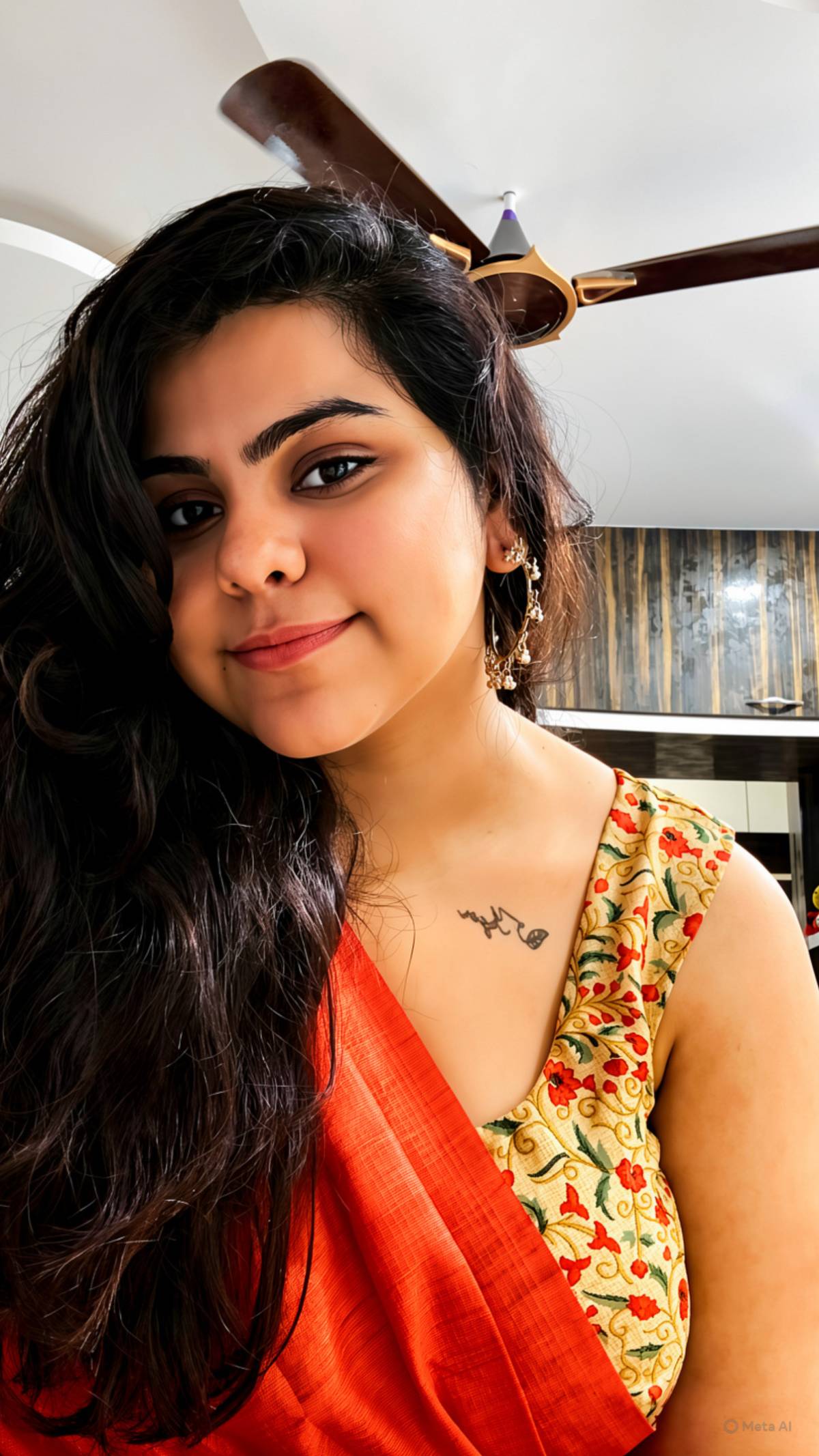
The One Thing Society Still Censors
What’s something about desire that society still refuses to admit out loud, even in 2026?
Gayatri: I think one thing society still refuses to admit openly, even in 2026, is that human desire is not always neat, simple, or “vanilla”. People have fantasies, kinks, fetishes, curiosities, and desires that don’t fit into this perfect, clean image society wants to maintain. And the moment somebody talks about it openly, they are instantly judged. Especially in India, people still don’t understand the difference between a fantasy, a fetish, a kink, and actual harmful behaviour. I get so many questions from people asking me things like, “I have a foot fetish; am I weird?” or “I like voyeurism; does that make me a bad person?” And honestly, it shocks me that people carry so much guilt for simply having thoughts or desires they never chose to have.
Even masturbation is still treated like some sinful act here. In 2026, people still ask me if masturbation causes hair fall, weakness, weight gain, or infertility, or if it makes them “unholy”. Especially men. The amount of misinformation around self-pleasure is honestly insane. And what’s sad is that most people don’t even ask these questions confidently. They ask with fear, shame, and panic, like they are confessing a crime. That itself tells you how deeply conditioning works in our society. We still don’t know how to separate pleasure from morality.
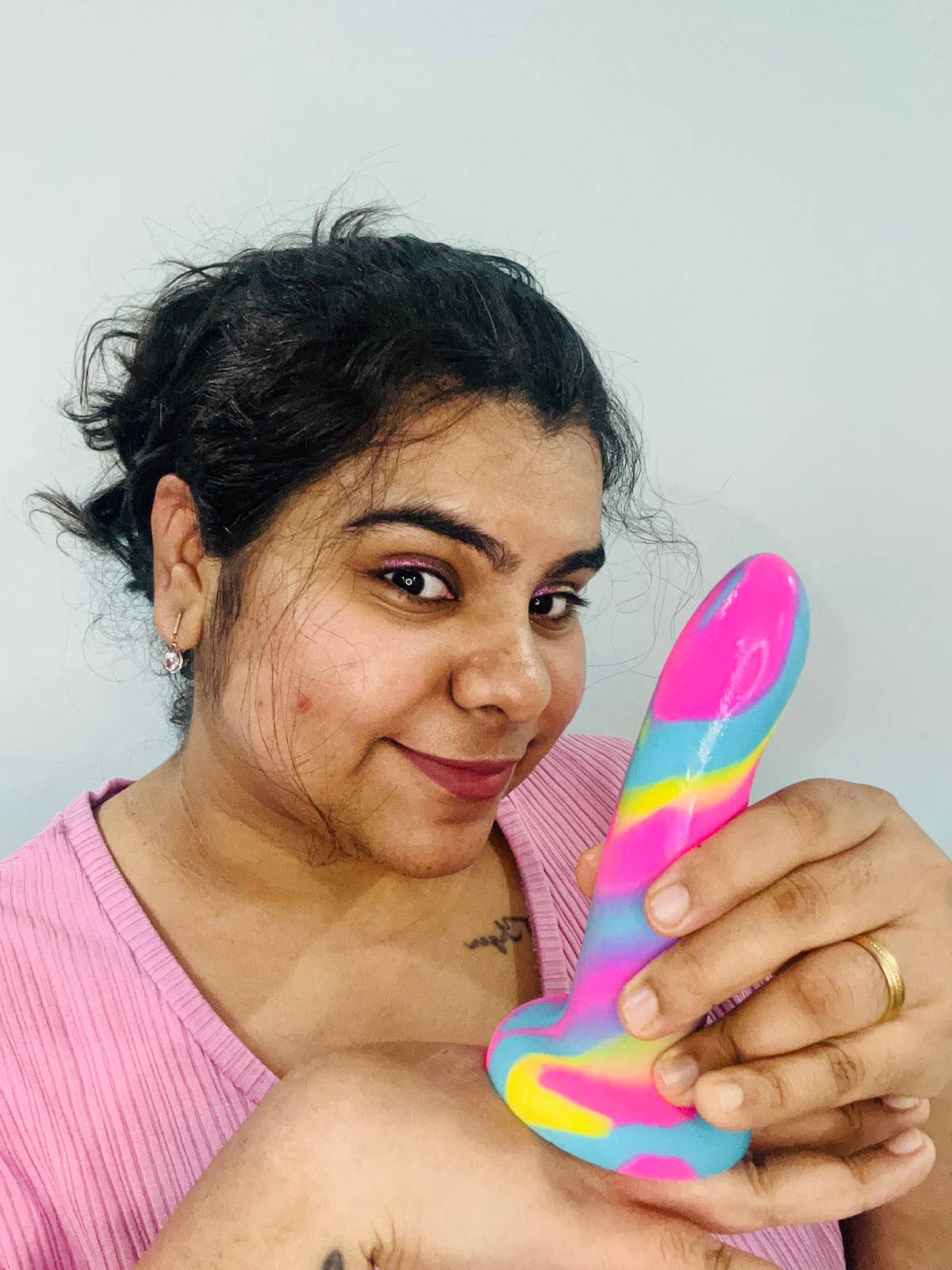
Another thing society refuses to admit is that women also have strong sexual desires, fantasies, kinks, and complicated relationships with pleasure. People still get uncomfortable hearing that women watch porn, masturbate, fantasise, or need more than just penetration to feel satisfied. And biologically also, women usually take much longer to orgasm compared to men, but somehow society still expects sex to revolve around male satisfaction only. Men are taught that if penetration is done, sex is done. But for many women, intimacy starts much later emotionally and physically. And this is where people misunderstand toys, too. Toys are not replacing men or relationships. They are filling a gap where women’s pleasure has historically been ignored.
I also see a lot of insecurity in men that society doesn’t allow them to openly process. Men constantly ask me things like, “Is my penis size okay?” “Can I satisfy my partner?” “What if I don’t last long?” and honestly, I feel bad because men are also victims of unrealistic expectations created by porn and performance culture. Porn has influenced people’s understanding of sex so heavily that many don’t even know what real intimacy looks like anymore. Sometimes people become obsessed with certain fantasies because porn repeatedly pushes those narratives. Incest fantasies, for example, have become heavily normalised online through porn categories, and people consume them secretly while also publicly acting disgusted by them. So there’s this constant contradiction between what people privately consume and what they publicly admit.
And I think that’s the biggest truth society still refuses to say out loud. Everybody has desires. Everybody is curious. Everybody has questions. But people still want to pretend that “good” people don’t think about sex too much, don’t masturbate, don’t watch porn, don’t fantasise, and don’t have kinks. Especially women. Women are still expected to appear sexually innocent even when they are fully grown adults with their own desires and inner worlds. I don’t think every desire should automatically be normalised or encouraged, and I personally believe there should always be conversations around consent, ethics, and reality versus fantasy. But I do think people deserve accurate knowledge without shame attached to it. Because hiding conversations around desire has never stopped desire from existing. It has only made people more confused, guilty, and disconnected from themselves.

Forget Everything Else About Sex; Remember This
If you could leave readers with one grounded truth about sexuality that cuts through shame, confusion, or performance pressure, what would it be?
Gayatri: If I could leave people with one grounded truth about sexuality, it would honestly be this: your sexuality is not something to be ashamed of, perform for, or prove to anybody. It is yours. And I think people have made sex so complicated now that they have completely disconnected from their own bodies. Everybody wants to “perform”. Everybody wants to look sexy, sound sexy, act sexy, last longer, do wild things, and recreate porn scenes, but very few people actually sit with themselves and ask, “What do I genuinely enjoy? What feels good to me? What makes me feel safe, connected, desired, and respected?” That connection with self is missing.
And honestly, masturbation is one of the healthiest ways to begin understanding yourself. I genuinely believe that. People still feel guilty talking about it, especially in India, but masturbation is normal. It helps you understand your body, your pleasure, your stress, your emotions, and your desires. Your body is not just designed to survive, work, give birth, or reproduce. Pleasure is also part of being human. Your vagina or penis is not just there for urinating or penetrative sex. Your body deserves care, curiosity, softness, and exploration. And I think when people finally stop feeling shame around touching and understanding their own bodies, a lot of confusion disappears automatically.
At the same time, I really want people to stop confusing sexuality with performance or loudness. Sexuality is not about standing naked online and proving how bold you are. You don’t have to perform liberation for society. You don’t have to announce your sex life publicly to be sexually empowered. You can explore yourself privately, respectfully, and quietly. You can use toys, communicate with your partner, understand your fantasies, and understand your boundaries, all within the comfort of your own space. Sexuality is deeply personal. It does not always have to become content, performance, or validation.
And please, porn is not real life. I really want people to understand that. Porn is performance. It is an edited, exaggerated, scripted fantasy. Most bodies do not look like porn bodies. Most men are not going to perform for one hour nonstop. Most women are not constantly screaming with pleasure after two minutes of penetration. Real sex is awkward sometimes. Human sometimes. Funny sometimes. Emotionally sometimes. And that is okay. Porn has created so much performance pressure, especially for men who constantly worry about penis size or stamina and for women who feel they need to look perfect, hairless, pink, and endlessly desirable. None of that defines real intimacy.
And above everything else, consent. Consent is honestly the foundation of everything. Without consent, nothing matters. Not chemistry, not attraction, not marriage, not love, nothing. If somebody is uncomfortable, if somebody says no, if somebody is unsure, that boundary deserves respect. And consent is not only about sex. It is about touch, space, comfort, and emotional safety – all of it. I think people need to stop treating consent like some “extra” modern concept. It is basic human respect.
Lastly, I really want Indians, especially, to reconnect with the fact that Tantra, Yoga, Kama Sutra, and all of these conversations around energy, sensuality, connection, and intimacy originated here. Be proud of it. Somewhere along the way, we became disconnected from our own understanding of sexuality and replaced it with shame. Desire is human. Pleasure is human. Curiosity is human. It does not make you dirty or immoral. It makes you alive.

Editor Note
Gayatri is so compelling not just because of the honesty of her answers, but also because of the perspective behind them. In a culture where silence has long shaped conversations around intimacy, desire, and sexual well-being, her work challenges the idea that shame should ever be the starting point for understanding ourselves. One of the most powerful insights from this interview is the reminder that sexuality is not simply physical. It is emotional, psychological, cultural, and deeply human.
Silence never protected people nearly as much as understanding can.
