
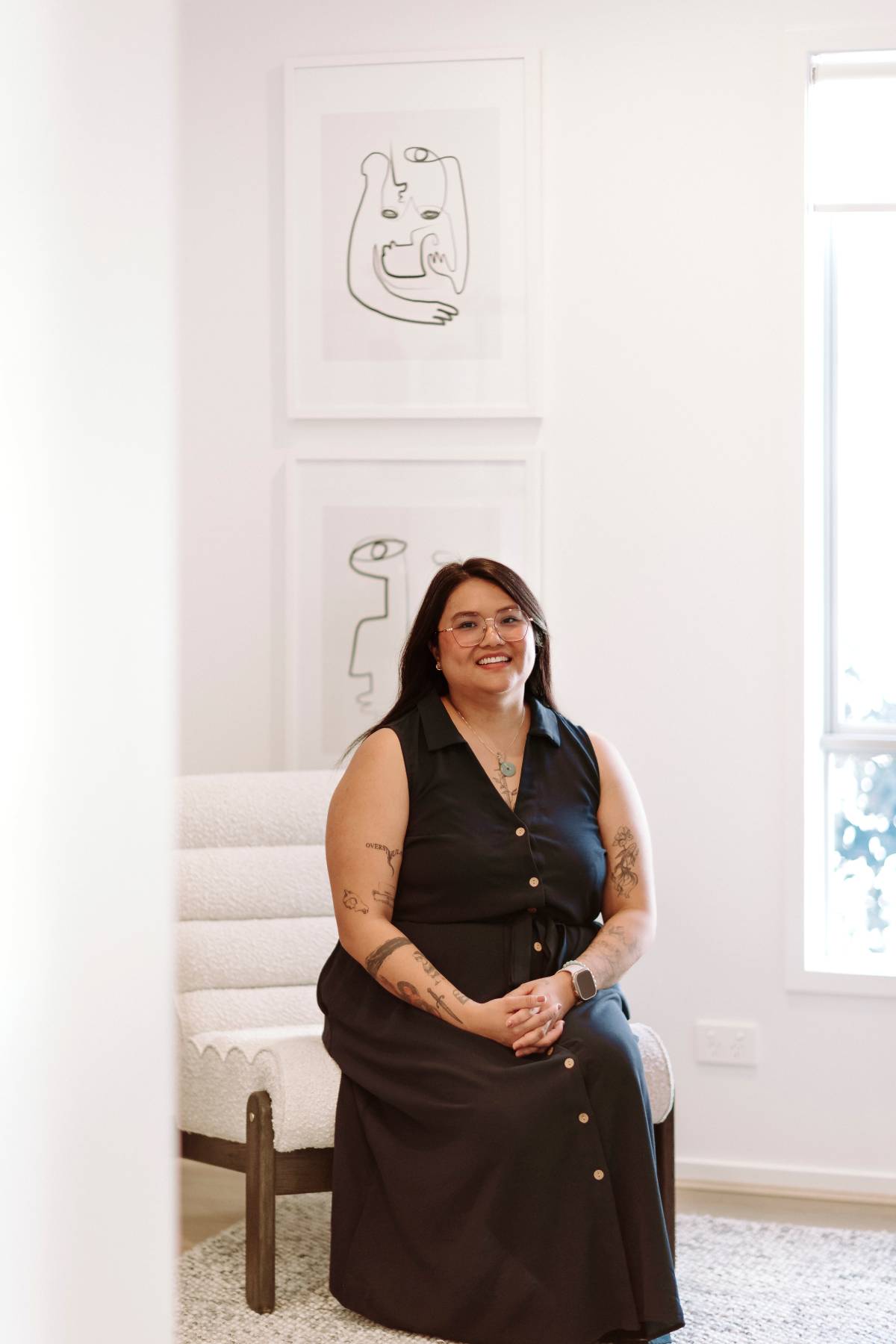
For Emilie, the path into sexology began with a question that healthcare too often avoids: What happens when sexual wellbeing is treated as less important than every other aspect of health?
As an occupational therapist working in mental health, a psychosexual therapist, a sexologist, and a PhD researcher, Emilie witnessed firsthand how trauma, mental illness, and medication could profoundly affect intimacy, desire, and relationships. Yet despite these realities, sexual health conversations were often missing from clinical care.
Determined to challenge that silence, Emilie has built her work around the intersection of sexuality, intimacy, mental health, and everyday life. Her mission is simple but powerful: to help people reclaim conversations about pleasure, connection, and sexual wellbeing as essential parts of being human.
In this conversation, she explores the myths young people inherit about sex, the barriers healthcare still faces when discussing intimacy, the rise of therapy culture in relationships, and why desire, pleasure, and connection deserve a place in every conversation about wellbeing.
Website
The Price of Intimacy
You’ve spoken about feeling anger when patients were told intimacy was “the price to pay” for mental wellness. Was there a specific moment or story that truly shifted this from frustration into purpose for you?
Emilie: I think the moment it really shifted from frustration into purpose for me was in my first few years of practice. I was working with a young person who had experienced their first episode of psychosis, and they were in a relationship where intimacy was a really important part of how they connected with their partner. They genuinely valued that closeness and sexual intimacy together. After starting medication, though, they experienced really significant side effects that impacted their libido and sexual functioning.
Over time, I could see just how deeply this was affecting them, not only their relationship but also their sense of identity, confidence, and sexual expression. I encouraged them to raise it during a medical review, but the response we were met with was essentially, “Well, you’re not experiencing psychotic symptoms anymore, so that’s the main thing.” And as an occupational therapist, where my whole focus is quality of life and meaningful participation, it was heartbreaking. I felt so helpless watching someone be told that this huge loss in their life was simply the price they had to pay to be mentally well.
Thankfully, they had an incredibly supportive partner, and together they found other ways to maintain intimacy and connection. But that experience was such a wake-up call for me. It made me realise just how broken parts of the mental health system can be when it comes to acknowledging the importance of sexual health, intimacy, and human connection. In OT and mental health practice, we talk constantly about the importance of support systems, but we often fail to acknowledge how powerful intimacy can be in helping people feel connected, valued, and human. That was the moment I realised that if I wanted to see change in this space, whether in the system or in society more broadly, then I needed to play my part in pushing that conversation forward.

A New Way to See Intimacy
As someone grounded in occupational therapy, you frame sexuality as an “occupation”. How does this perspective shift the way we understand pleasure, routine, and even emotional labour in relationships?
Emilie: What I mean by that is looking at sex and intimacy as an occupation. In occupational therapy, an occupation is any activity that a person wants, needs, or is expected to do; essentially, anything that occupies someone’s time, energy, identity, or sense of meaning. So when we frame sex as an occupation, it shifts it away from being seen as something trivial, indulgent, or separate from health and wellbeing. Instead, we recognise it as something that can contribute to identity, connection, routine, pleasure, emotional regulation, and overall quality of life.
With that perspective, it’s always seemed so strange to me that sex and intimacy have remained such taboo topics within healthcare, especially when they’re such important parts of many people’s lives and relationships. We really need to normalise these conversations, not only for ourselves as clinicians but also for the people we work with as well. Because when we ignore sexuality, we’re often ignoring a really meaningful part of human occupation and human connection.
I also think this perspective changes the way we understand relationships more broadly. Pleasure isn’t just a “bonus” experience; it can be restorative, grounding, connective, and deeply tied to wellbeing. Intimacy also involves routines, habits, communication, vulnerability, and emotional labour. There’s effort involved in maintaining connection, navigating desire, negotiating needs, and making space for closeness within everyday life. From an occupational therapy lens, those things matter because they shape how people participate in relationships and how fulfilled they feel within them. When someone experiences barriers in this area, whether that’s due to disability, illness, trauma, medication side effects, mental health challenges, or stigma, it can impact far more than just sexual activity itself. It can affect confidence, identity, belonging, relationships, and a person’s sense of self. I think framing sex as an occupation gives us permission to finally acknowledge that these experiences are real, meaningful, and worthy of support and conversation.
Lies We Grow Up With About Sex
For young people navigating sexuality between ages 12 and 25, what are the most harmful myths or narratives you find yourself constantly undoing?
Emilie: I think one of the biggest myths young people are constantly exposed to is the idea that “everyone is doing it” and that there’s somehow a right timeline for sex, relationships, or intimacy. So many young people feel pressure to have sexual experiences before they’re ready because they think they’re falling behind or that it’s what’s expected of them. One of the most important things I try to reinforce is that there is absolutely no obligation to engage in sex or intimacy just because other people are.
At the same time, I also see the opposite narrative causing harm the idea that it’s wrong to have sexual desires, curiosity, or interest in sex at all. Young people are often made to feel shame around wanting to explore their bodies, sexuality, gender identity, or relationships. And when shame becomes attached to those experiences, it can really impact self-esteem, communication, consent, and the ability to form healthy relationships later on. Curiosity is a normal part of human development, and young people deserve spaces where they can explore those questions safely and without judgement.
I also think a really harmful narrative is the idea that sex is purely about reproduction. A lot of the sexual education we currently see in Australia is still incredibly reproduction-focused and very cisgender and heteronormative in nature. It often centres on risk, pregnancy, and disease prevention, which are obviously important conversations, but it leaves very little room to talk about pleasure, intimacy, identity, communication, consent, emotional safety, or diverse experiences of sexuality and relationships.
The problem is that when education only focuses on what can go wrong, young people are left trying to navigate the emotional and relational aspects of sexuality on their own, often through social media or misinformation online. I think we need to move toward a much more holistic approach to sexual health education, one that acknowledges diversity, normalises conversation, and helps young people build healthy, respectful, and informed relationships with themselves and others.

What Healthcare Still Gets Wrong
In your view, why are so many healthcare settings still uncomfortable talking about sex, even though sexual health is part of overall well-being?
Emilie: I think there are a lot of reasons healthcare settings still struggle to talk openly about sex and sexual health, even though it’s such a fundamental part of overall wellbeing. One of the biggest factors is that healthcare systems can become very set in their ways. Change is uncomfortable, and historically, sexuality has never really been positioned as a priority area within many services. But if we genuinely want healthcare to progress and become more holistic and person-centred, then we have to be willing to challenge that discomfort and evolve the conversations we’re having.
A huge part of it also comes from broader societal attitudes toward sex. Most of us grow up receiving messages – either directly or indirectly that sex is something private, shameful, awkward, or “not appropriate” to talk about openly. So then those beliefs inevitably follow people into professional settings as well. Clinicians are still human beings shaped by the same culture and upbringing as everyone else. The problem is that when sexuality becomes taboo, people are often left to navigate really important parts of their lives without accurate information, guidance, or support. Instead, they end up relying on misinformation, social media, pornography, or other resources that may not provide healthy or realistic education around intimacy and relationships.
I also think there’s a strong culture within healthcare of prioritising what are perceived to be the “more important” issues first. In mental health, especially, the focus is often on crisis management, symptom reduction, safety, medication, housing, or physical health concerns. And while those things absolutely matter, sexuality and intimacy are often pushed aside as if they’re optional extras rather than meaningful contributors to quality of life, identity, relationships, and emotional well-being.
Another major issue is that no one profession really wants to claim responsibility for these conversations. There’s often this assumption that someone else will deal with it, maybe the doctor, maybe the psychologist, maybe the nurse, maybe the occupational therapist. And because everyone assumes it belongs to someone else, it often ends up belonging to no one at all. Personally, I think sexual health should be viewed as everybody’s responsibility in healthcare. That doesn’t mean every clinician has to be a specialist in sexuality, but it does mean we should all be capable of creating safe spaces for conversations, acknowledging concerns without judgement, and knowing when to provide support or refer appropriately.
At the end of the day, sexual health is human health. It’s connected to identity, relationships, confidence, pleasure, belonging, and connection. And I think until healthcare systems truly recognise that, these conversations will continue to be avoided instead of being integrated into everyday care.

Too Much Therapy Talk?
Is there such a thing as “too much self-awareness” when it comes to sex and relationships? Can therapy language sometimes kill spontaneity?
Emilie: Personally, I don’t think there’s such a thing as “too much” self-awareness when it comes to relationships or intimacy. For me, it comes back to that idea that knowledge can be power. The more insight we have into ourselves, our needs, boundaries, communication styles, insecurities, and desires, the more capable we are of building healthy and respectful relationships.
I think part of the issue is that society has really conditioned us to believe that communication somehow kills spontaneity or that openly talking about sex, emotions, or needs is “unsexy”. We’re often sold this idea that chemistry should just naturally happen and that if someone really loves us, they should automatically know what we want without us having to say it. But honestly, I think that mindset can be really damaging.
People aren’t mind readers. If we don’t learn how to communicate what we enjoy, what makes us feel safe, what our boundaries are, or what we need emotionally, it’s unfair to expect other people to somehow instinctively know. And the same applies to relationships more broadly. One of the most effective ways to make sure everyone is on the same page is simply to talk about it openly.
I also think there’s a difference between healthy self-awareness and over-analysing every interaction. Therapy language itself isn’t the problem it’s how we use it. Self-awareness should help us connect more authentically, not create a script where every human interaction feels clinical or over-processed. At its best, communication actually creates more safety, trust, and confidence, which can allow spontaneity to exist more naturally because people feel understood and secure with each other.

Just Another Way to Stay Guarded?
There’s a growing narrative around “healing before dating”. Do you think this idea is helpful, or does it sometimes stop people from experiencing connection altogether?
Emilie: That’s a really hard question, and I honestly think the answer is both yes and no. As a mental health clinician, I’ve absolutely seen people enter relationships while deeply vulnerable and end up accepting toxic or unhealthy dynamics because they believe that’s what they deserve, or because they’re relying on another person to give them a sense of worth, stability, or identity. Sadly, those experiences can reinforce really negative beliefs about themselves and relationships, and sometimes people end up moving from relationship to relationship, searching for someone to “fix” them or look after them.
I think a lot of us grow up with this idea that relationships are meant to complete us that another person is supposed to fill some missing piece in our lives. But personally, I think the healthiest relationships are usually the ones where two people complement each other, rather than complete each other. There’s a difference between wanting connection and relying on a relationship to define your value as a person.
At the same time, though, I think the current “heal yourself first” narrative can sometimes become so extreme that people start feeling like they have to become perfectly healed, perfectly emotionally regulated, or completely independent before they’re “allowed” to experience love or connection. And the reality is, no one is ever fully healed. Relationships themselves can actually be spaces where growth, healing, safety, and learning happen. Human beings are relational by nature.
There’s absolutely nothing wrong with wanting to focus on yourself and prioritise your own wellbeing. But there’s also nothing wrong with wanting partnership, intimacy, love, and connection. Those desires are incredibly human. Of course, relationships involve some level of dependency as trust develops and lives become intertwined; that’s part of closeness – but it’s also important to maintain your own identity, values, and sense of self outside of the relationship.
I think the most important questions people can ask themselves are “Why do I want to date?” and, equally, “Why don’t I want to date?” Sometimes the answer comes from a place of genuine readiness for connection, and sometimes it comes from fear, loneliness, avoidance, or pressure. Understanding that difference is probably more important than trying to reach some mythical state of being completely healed before letting yourself be loved

This Is Where You Begin Again
If someone reading this feels like they’ve lost touch with their sense of desire, connection, or pleasure, what’s one honest piece of advice you’d want them to hold onto?
Emilie: I think the biggest thing I’d want someone to hold onto is that losing touch with desire, connection, or pleasure doesn’t mean something is “wrong” with you, and it doesn’t mean it’s gone forever. Life experiences, stress, trauma, illness, medication, heartbreak, burnout, mental health challenges, and even just the pace of modern life can all disconnect us from ourselves at times. That’s a very human experience.
I think there can be so much pressure to immediately “fix” ourselves or force ourselves back into feeling something, but often reconnection starts much smaller and gentler than people expect. It might begin with learning what makes you feel safe again, what helps you feel present in your own body, and what brings you comfort, curiosity, joy, or emotional closeness — even outside of sex or relationships.
Desire and connection aren’t just about physical intimacy. They’re about feeling human, feeling seen, feeling emotionally connected to yourself and others. And sometimes rebuilding that starts with giving yourself permission to slow down, be curious, and reconnect without judgement or shame.
Most importantly, I’d want people to know that they are still worthy of love, intimacy, pleasure, and connection exactly as they are, even in the messy, uncertain, or healing stages of life.

Editor Note
She brings to a topic that is too often pushed to the margins of healthcare and public discourse. Throughout this interview, she reminds us that intimacy, desire, pleasure, and connection are not luxuries reserved for when everything else is in order. They are fundamental parts of what makes us human.
One of the most powerful insights from this discussion is that well-being cannot be measured solely by the absence of illness. True wellbeing also includes feeling connected, valued, understood, and able to experience meaningful relationships with ourselves and others. When we ignore sexual health, we risk overlooking a vital part of human experience
The goal is not simply to survive, but to remain fully connected to the parts of ourselves that make life meaningful.
