
Self-care isn’t just about skincare and meditation anymore. A new wave of sexual wellness brands is transforming how we think about pleasure, confidence, and personal well-being. From luxury innovators to accessible disruptors, these seven companies are challenging old taboos and creating a future where intimacy is recognised as an essential part of modern wellness. Here’s who’s leading the pleasure revolution.
For years, self-care meant face masks, meditation apps, and green smoothies. But today’s wellness conversation is getting a lot more honest and a lot more interesting.
Sexual wellness has officially stepped out of the shadows and into the mainstream. What was once hidden behind awkward packaging and whispered conversations is now being discussed alongside mental health, fitness, and personal growth. Modern consumers aren’t just buying products anymore; they’re investing in experiences that support confidence, connection, and overall well-being.
At the centre of this shift are brands that have transformed intimacy from a taboo topic into a lifestyle category. Through thoughtful design, body-positive messaging, and innovative technology, these companies are helping redefine what modern self-care actually looks like.
Here are seven sexual wellness brands leading the movement.
LELO: Luxury Meets Intimacy
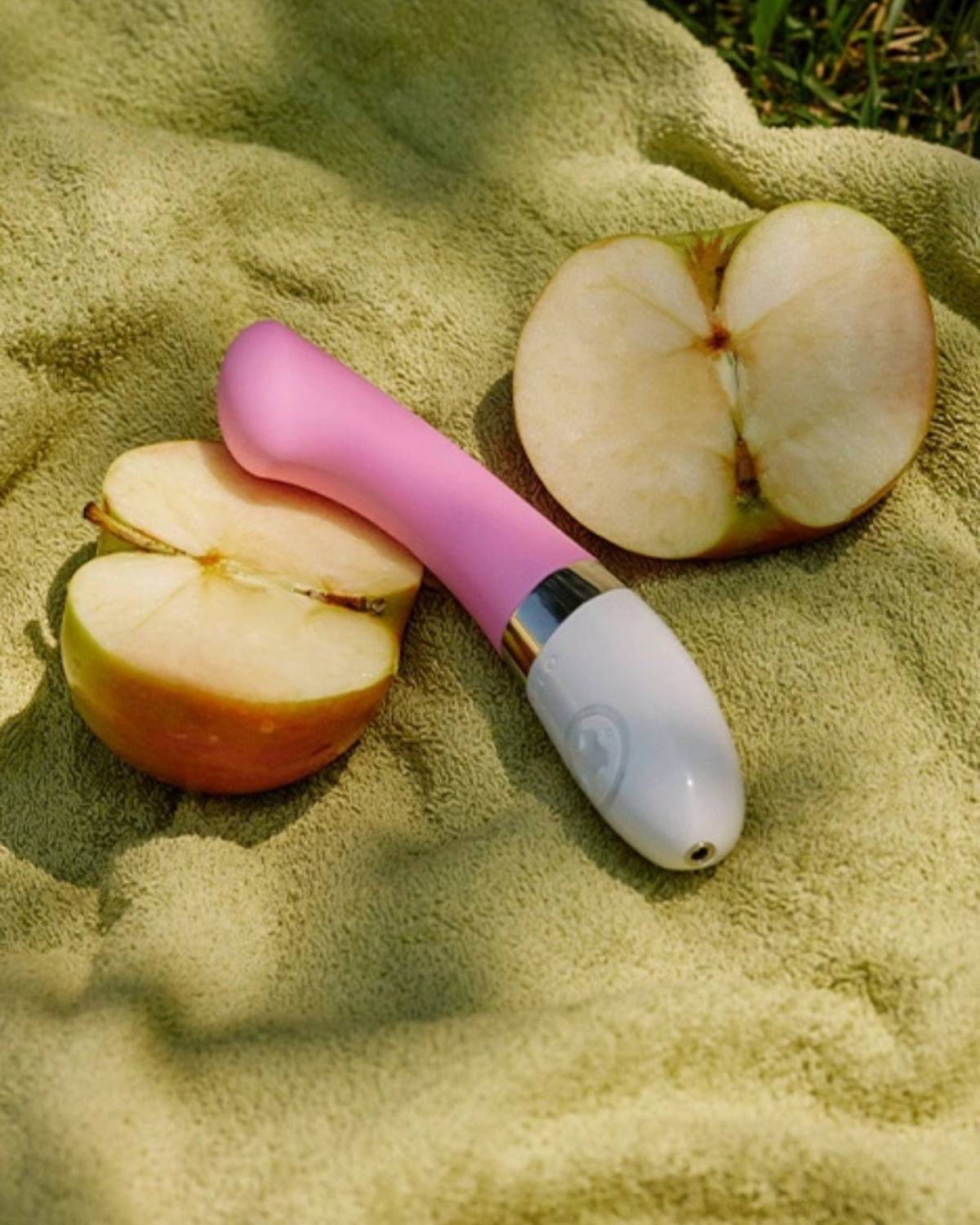
If there’s a luxury label in the sexual wellness world, it’s LELO.
Known for sleek Scandinavian-inspired designs, LELO turned intimate products into objects people aren’t embarrassed to leave on a nightstand. Instead of focusing solely on functionality, the brand emphasised aesthetics, quality, and innovation.
Its success reflects a larger trend: consumers increasingly expect wellness products to be both effective and beautifully designed. LELO proved intimacy products could feel premium, sophisticated, and empowering all at once.
We-Vibe: Bringing Couples Into the Conversation
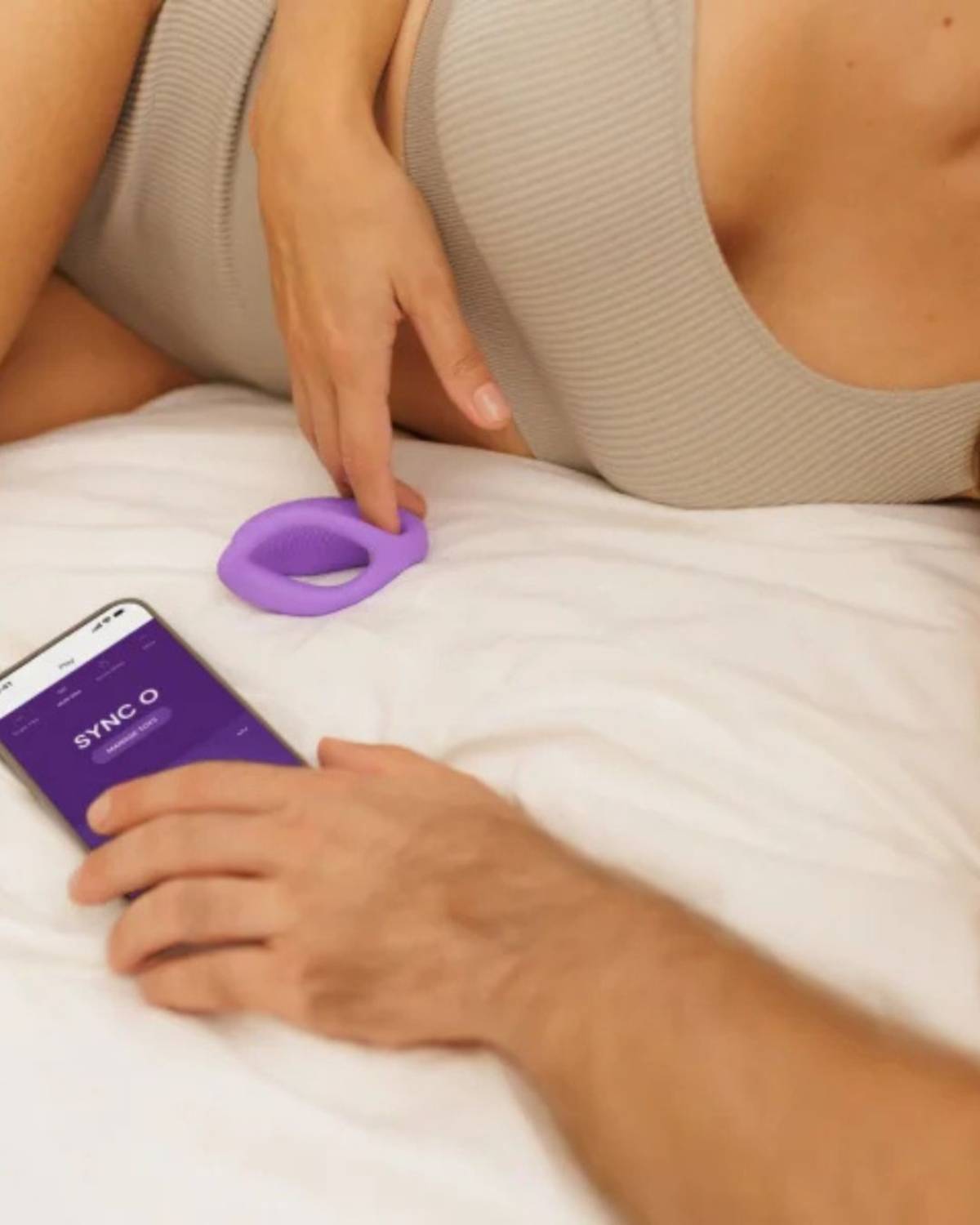
While many brands focus on individual pleasure, We-Vibe built its reputation around connection.
The company gained attention through products designed specifically for couples, helping partners explore intimacy together in new ways. Its app-connected technology also introduced a modern, digital layer to relationships, especially for long-distance couples.
In an era where technology influences nearly every aspect of life, We-Vibe demonstrates how innovation can strengthen emotional and physical connections.
Dame Products: Designed With Women, Not Just For Them
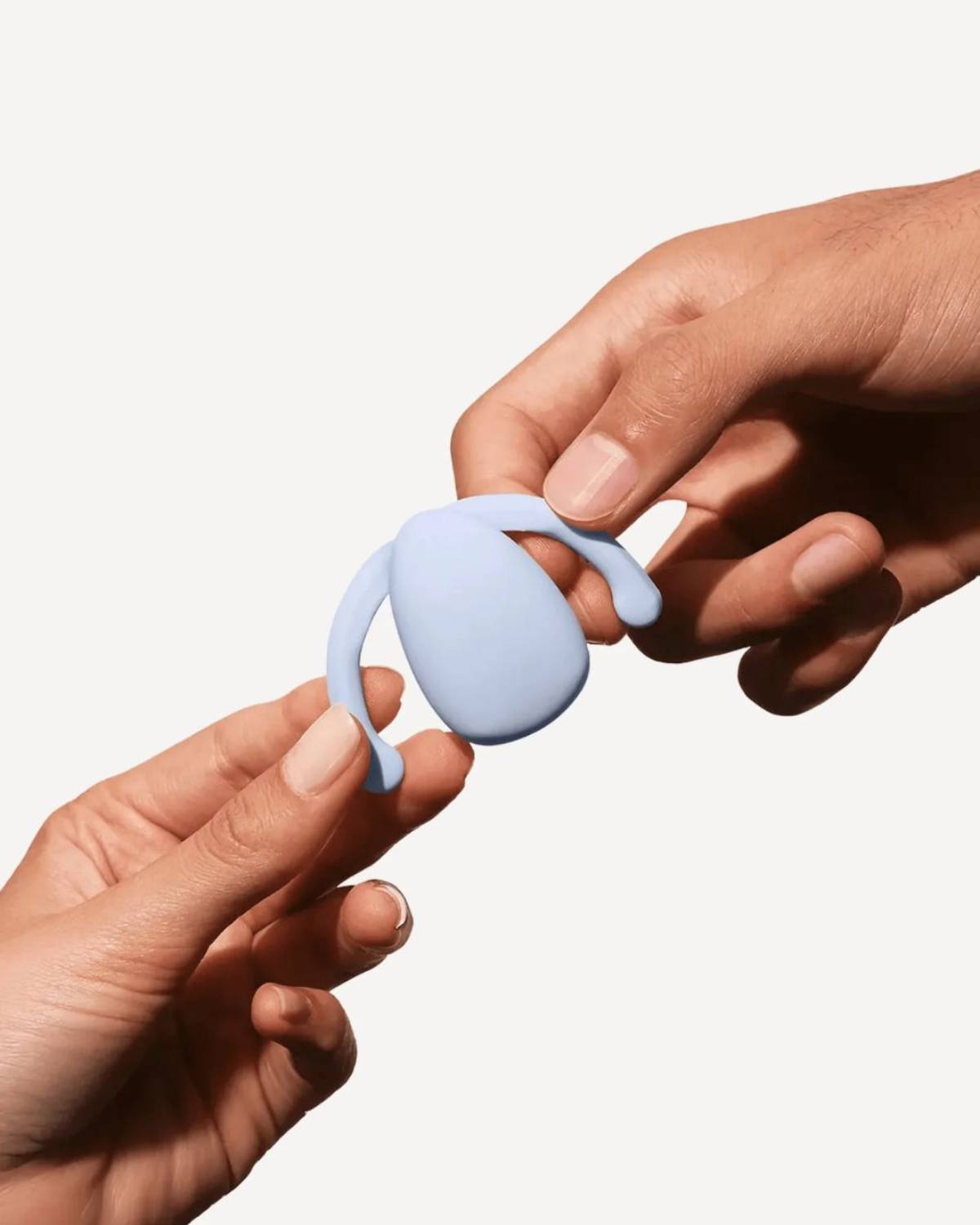
Dame Products entered the market with a simple but powerful idea: involve women directly in the design process.
The brand challenged outdated assumptions about female pleasure and prioritised research, user feedback, and education. The result is a collection of approachable, thoughtfully designed products backed by a strong mission of inclusivity and empowerment.
Dame represents a growing demand for products that genuinely understand their audience rather than simply market to them.
Maude: Minimalism That Changed the Industry
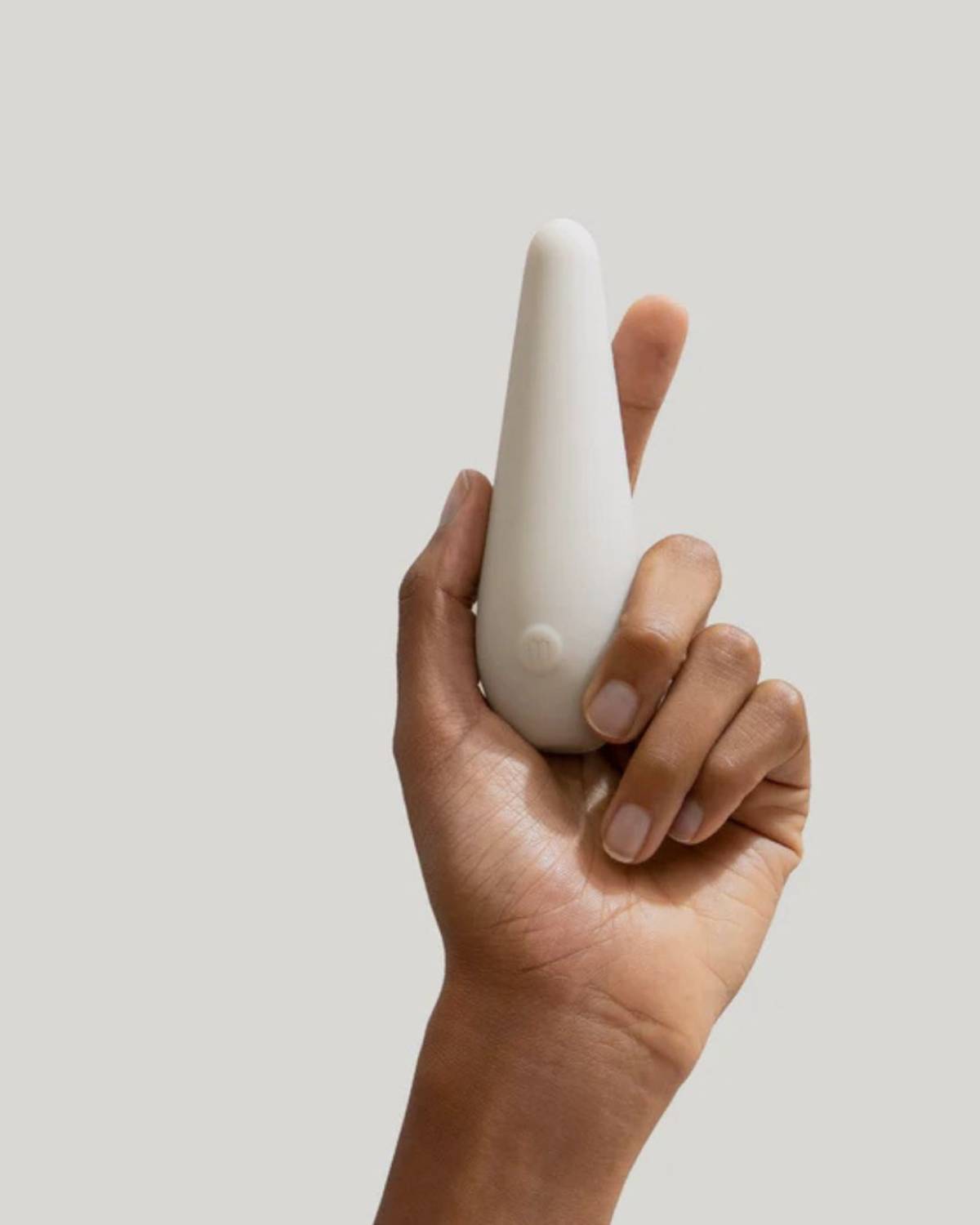
Few brands have embraced modern branding as successfully as Maude.
With clean packaging, neutral colours, and a wellness-first approach, Maude helped remove much of the stigma surrounding sexual wellness shopping. Its products fit seamlessly alongside skincare, candles, and other self-care essentials.
The brand’s success highlights a major cultural shift: intimacy is increasingly viewed as a natural component of holistic wellness rather than a separate conversation.
Lovehoney: Making Pleasure Accessible
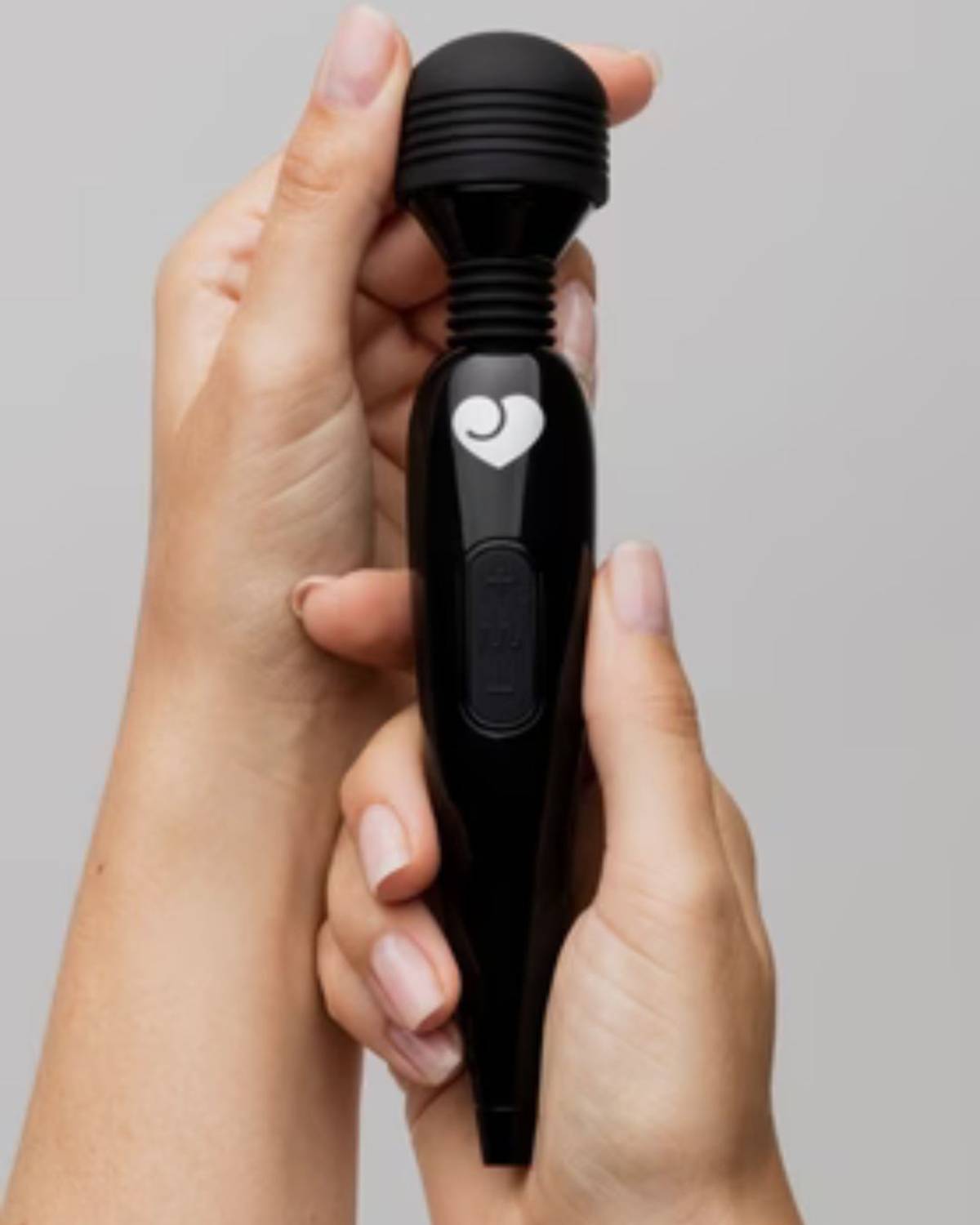
Not every brand focuses on luxury, and that’s exactly where Lovehoney shines.
The company built a loyal following by offering an extensive range of products across multiple price points. Its educational content and welcoming approach have helped make sexual wellness more accessible to a broader audience.
By prioritising inclusivity and affordability, Lovehoney continues to prove that wellness should never feel exclusive.
Womanizer: Innovation That Sparked a New Era
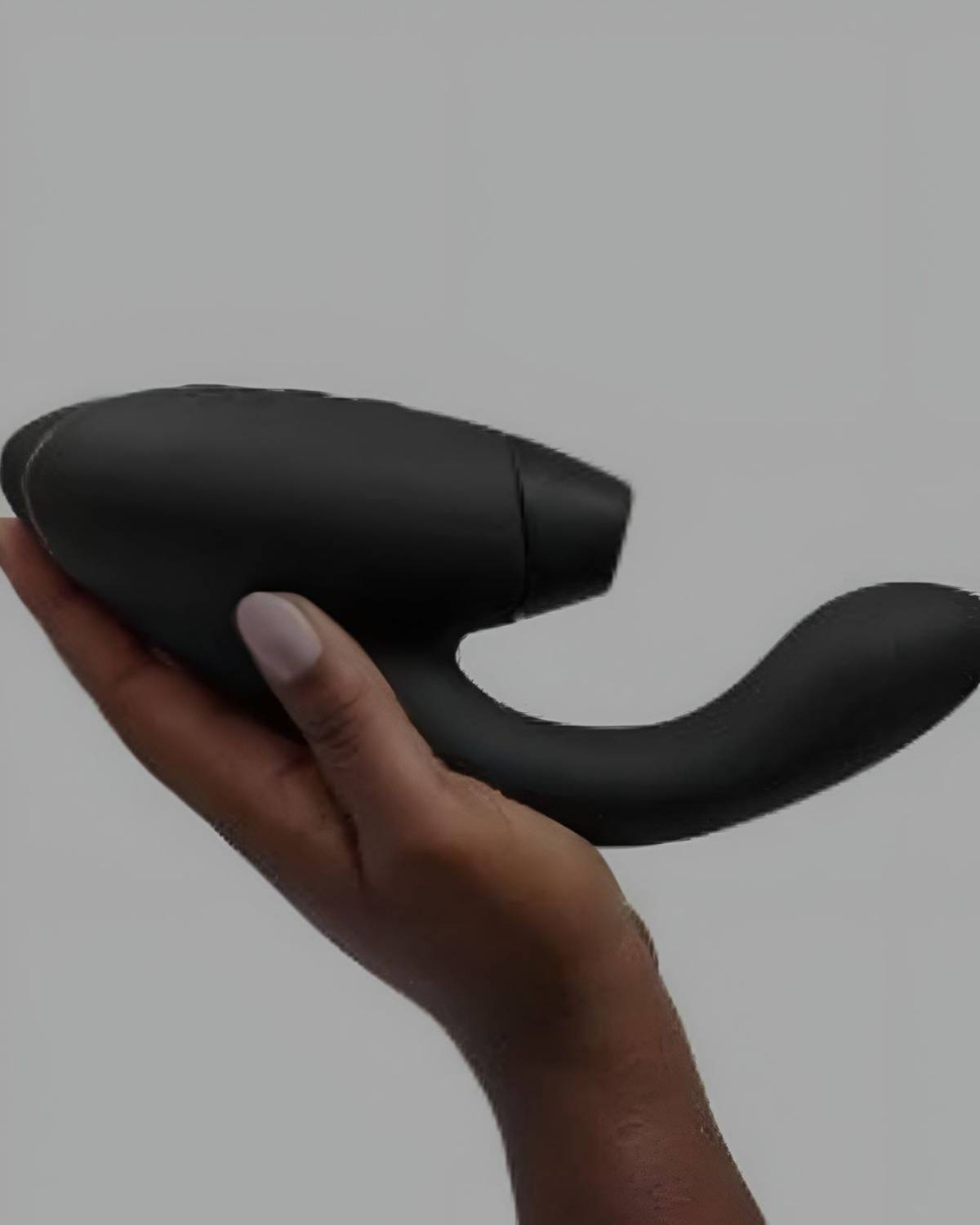
Some brands follow trends. Others create them.
Womaniser gained global recognition through its groundbreaking Pleasure Air Technology, introducing a new category of stimulation that quickly became one of the industry’s most talked-about innovations.
Its rise reflects consumer demand for products backed by technology, research, and user-centred design. In many ways, Womaniser helped push the entire industry toward greater innovation.
Satisfyer: Premium Experiences Without Premium Prices
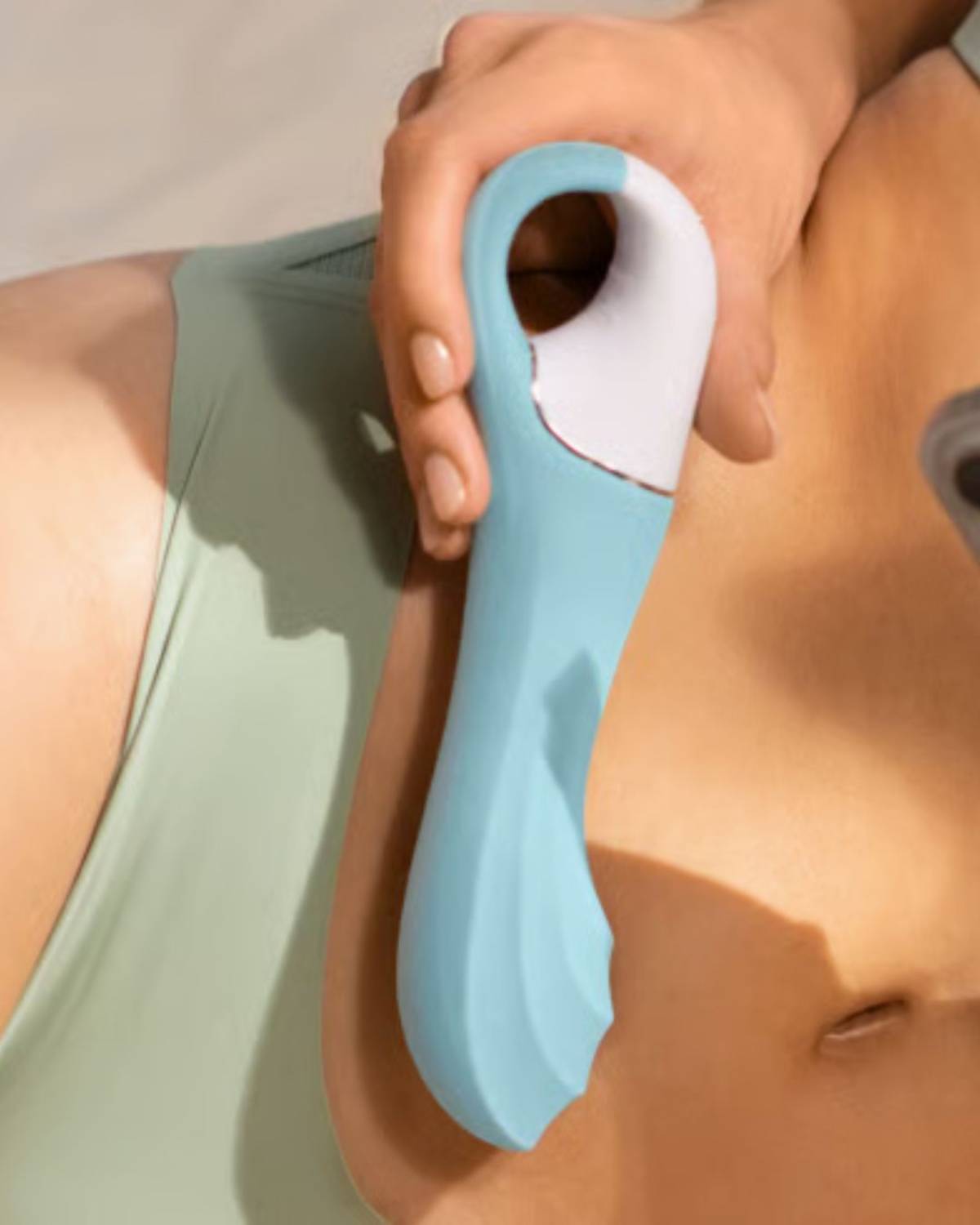
Satisfyer disrupted the market by delivering advanced features at accessible prices.
The brand’s rapid growth demonstrated that consumers wanted high-quality experiences without luxury-level costs. Through smart design and competitive pricing, Satisfyer expanded access to products that were once considered niche or expensive.
Its popularity continues to challenge traditional assumptions about value and affordability within the wellness space.
What These Brands Teach Us About Modern Self-Care
The biggest takeaway isn’t about products; it’s about perspective.
Today’s consumers increasingly view sexual wellness as part of a larger wellness ecosystem. Mental health, emotional connection, physical confidence, and intimate well-being are no longer separate conversations.
These brands have helped normalise discussions that previous generations often avoided. They’ve transformed intimacy from a taboo subject into a legitimate pillar of self-care.
And perhaps that’s the real revolution.

Editor Note
The design, or even the products themselves. It was the shift in perspective they represent. For decades, conversations around wellness focused on what we could see, our bodies, our routines, our habits. Yet true well-being has always been far more personal than that.
Remind us that intimacy, pleasure, confidence, and connection deserve a place within the wellness conversation, not outside it. Their success reflects a growing cultural understanding that caring for ourselves means acknowledging every part of the human experience, including those once considered too uncomfortable to discuss openly.
Progress isn’t simply about creating better products. It’s about creating permission. Permission to talk honestly, to explore without shame, and to recognise that pleasure is not a luxury or indulgence but a meaningful part of living well.
