
For Aasit, home is less a place than a feeling, something found through curiosity, movement, and a deeper connection with the self. Having lived between New York, Montréal, Paris, and Mexico, he has learned to see each city as part of an ongoing education in discipline, beauty, softness, and possibility. That sense of movement shapes the way he thinks about the body, pleasure, and belonging.
His work with SOMA Breath brings together breathwork, embodiment, and modern neuroscience, reflecting his belief that emotional states can be influenced from within. Rather than treating confidence, connection, or pleasure as things to seek externally, he encourages people to recognise the power already present in their own bodies.
That perspective extends into his thoughts on modern life and masculinity. In a culture dominated by productivity, digital validation, and inherited ideas of strength, he questions what happens when people become disconnected from their emotions and bodies. For Aasit, softness and strength are not opposites, but qualities that can exist together.
This conversation moves through pleasure, breath, masculinity, intimacy, and the search for inner belonging, asking what it really means to come home to ourselves. Beneath it all is a compelling idea: perhaps genuine connection with others begins with learning to reconnect with ourselves first.

Finding Home Within
Your journey has taken you across cities like New York, Montréal, Paris, and Mexico, each with its own culture and rhythm. How has living as a nomad shaped your understanding of the body, pleasure, connection, and what it means to feel truly at home within yourself?
Aasit: Honestly, being a nomad has been sacred for me. I crossed the border at eighteen to study at McGill in Montreal, this wildly rigorous school in one of the most seductive cities I’ve ever lived in, and it cracked something open early: staying fluid in mind, body, and spirit isn’t optional if you want to actually live. I stopped treating myself like a student marching toward a destination and started treating myself like an artist chasing the journey instead. Julia Cameron writes about exactly this in The Artist’s Way, and it rewired how I move through the world.
Here’s the science-y part I love: your subconscious runs about 95% of your life, and it doesn’t respond to images or bank balances; it responds to feelings. So every new city, every new language, every stranger who becomes a friend for a season, that’s not me running from home.
That’s me feeding my senses and staying curious, realizing home was never a zip code. New York taught me hustle; Montreal taught me discipline; Paris taught me beauty; Mexico taught me softness. Home within is just what’s left once you strip away the address.

The Breath-Body Connection
SOMA Breath combines ancient breathing techniques with modern neuroscience. Can you explain how this practice influences emotions, confidence, and our ability to create deeper connections with ourselves and others?
Aasit: SOMA Breath is this beautiful marriage of ancient pranayama and modern neuroscience, and what hooked me wasn’t the spiritual side first; it was the science. Joy is one of the most supreme states our souls can hold, and when you’re in it, people feel it before you even say a word. That’s because emotions are literally energy in motion, e-motion. Someone who’s genuinely happy is holding an expansive charge in their body. Someone stuck in depression or frustration is contracted, low-voltage.
Through specific breath techniques, we can basically biohack our own metaphysics at a cellular level and deliberately climb into higher emotional states. And here’s my favorite part: once you do that, you actually start engaging the law of attraction for real, not the manifestation-poster version. Think physics: an electron is attracted to a proton, so in life you’re either being a proton, magnetic, generating your own charge, and pulling people and opportunities toward you, or you’re an electron, constantly attaching yourself to others to feel whole.
Breathwork is how you evolve from electron to proton. Confidence and connection aren’t things you chase outside yourself; they’re voltage you generate from inside, on purpose, one breath at a time.
The Lost Art of Pleasure
Do you think society has become more disconnected from pleasure because we are constantly busy, distracted, and living in our heads? Why or why not?
Aasit: A hundred percent, and I think it happened in two waves. First, capitalism taught us that pleasure is a ranking system: how much you own, how much you’ve saved, where you land in the pecking order. Then technology came in and finished the job; now pleasure is a follower count, a like, or a comment notification. We’re not living in our bodies and souls anymore; we’re living inside a matrix that plays us like characters in someone else’s video game.
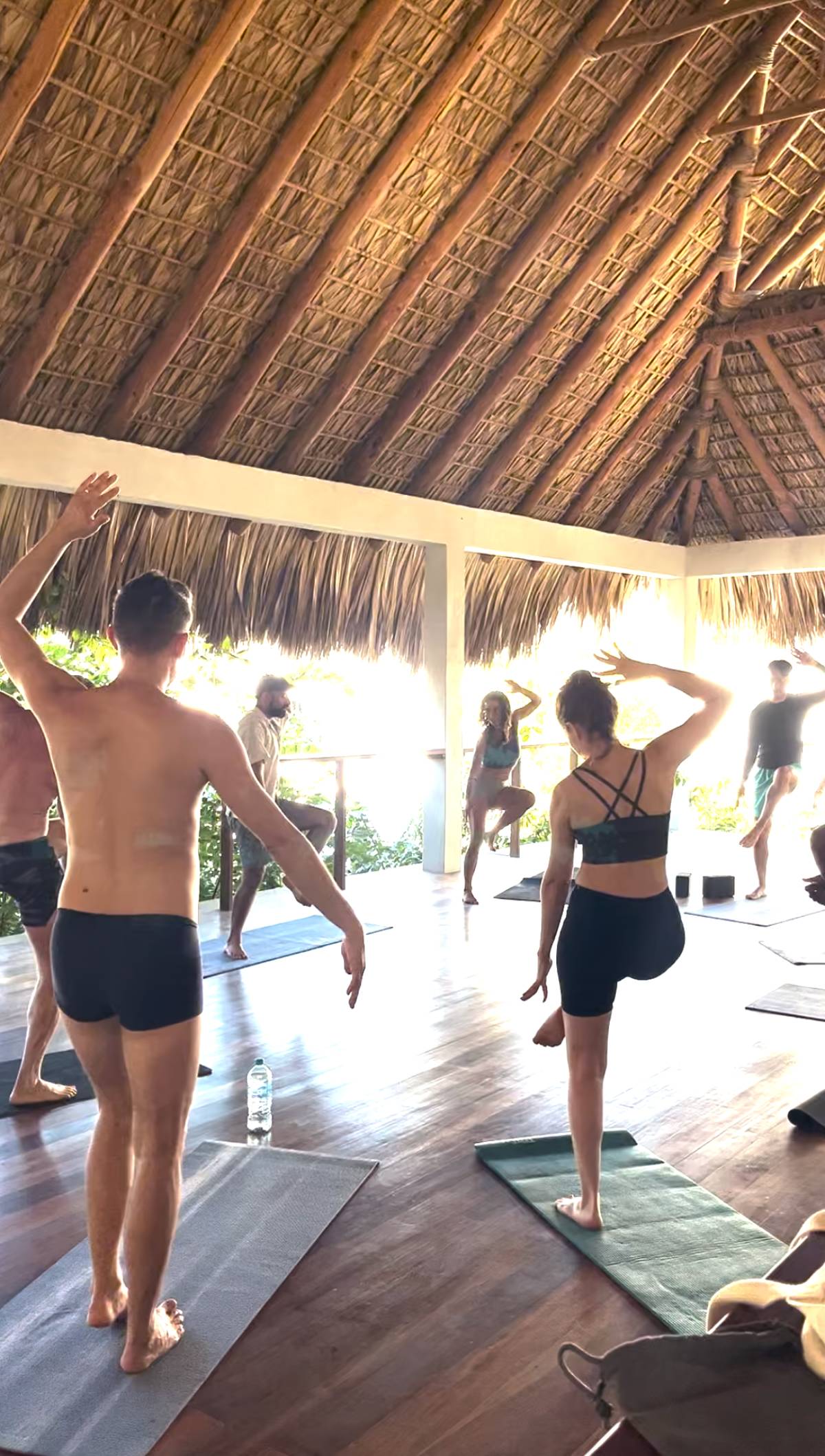
That’s exactly why breathwork and tuning back in matter so much right now. It interrupts the whole system and reminds you that pleasure was never supposed to be a transaction. You don’t have to buy a bag, book a vacation, or land a relationship to earn it. Pleasure has lived inside you this entire time, rent-free. Society just profits off convincing you otherwise.
The Masculine Body
Many men are taught that masculine power comes from control, dominance, and external success rather than connection with their bodies. How do you think this belief impacts men’s emotional and sexual well-being?
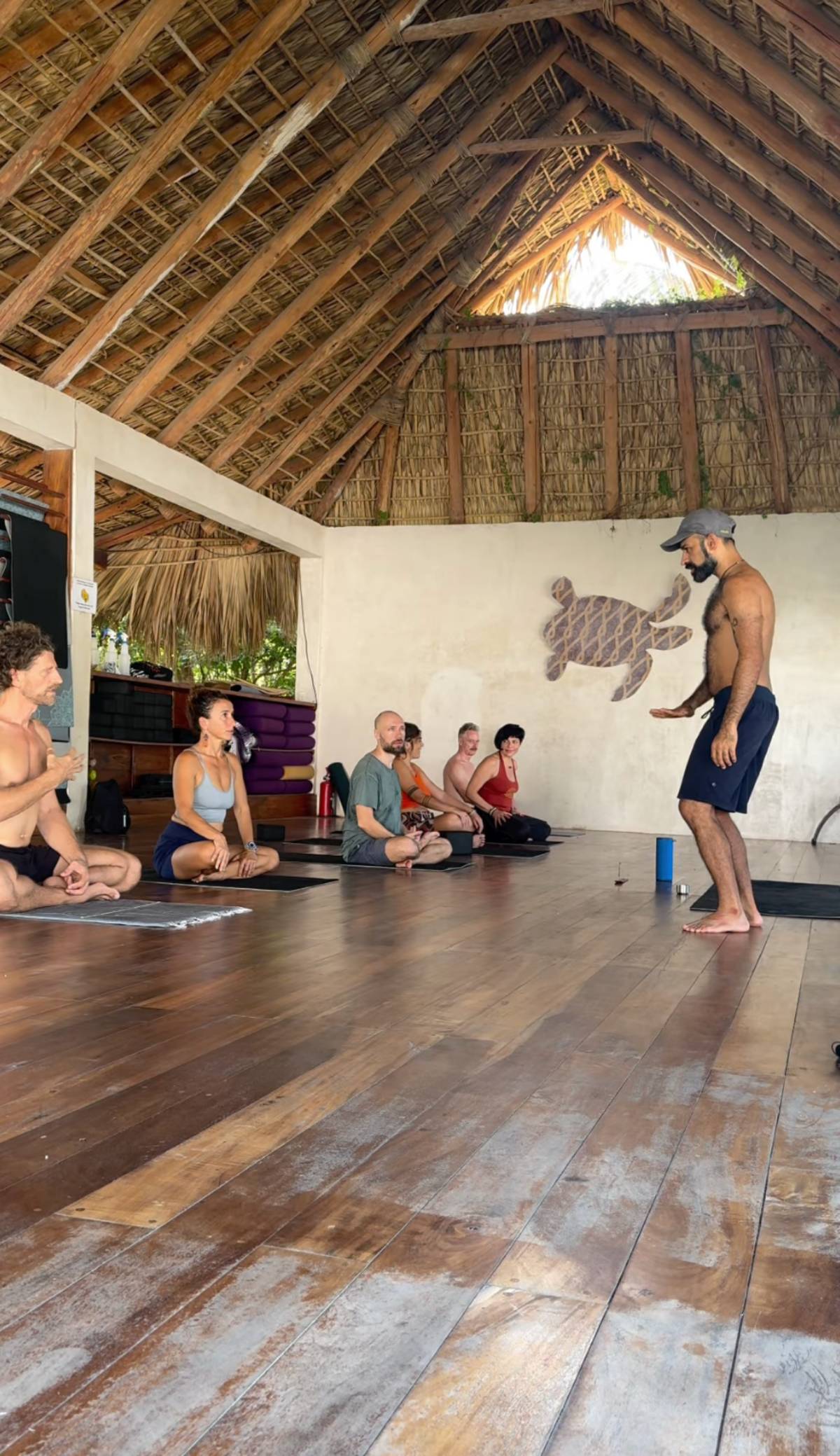
Aasit: Most men are handed a script that was never actually built to make them happy; it’s built to keep them controllable. When a father performs dominance instead of showing emotion because society told him real men don’t, he’s not protecting his kids from something; he’s handing down a curse. And it’s a serious problem, because a man who isn’t in touch with his own emotions doesn’t just stay quiet about it; he leaks it. He exudes dominance somewhere, on a spouse, at work, in the bedroom, wherever the pressure finds an exit.
This is basically the whole premise behind Alan Downs’ The Velvet Rage, one of my mentors in print. When we’re never taught to voice what’s off inside us, we compensate for that. off-ness with control instead. Masculinity was never supposed to be zero-sum, where someone has to lose power for you to feel like a man. The whole point of getting back into your body through breath or any embodiment practice is learning that you can be strong and soft in the same body. That’s not weakness; that’s the upgrade.
The Next Chapter of Intimacy
Looking ahead, what conversations around wellness, sexuality, and human connection do you believe society needs to embrace more openly, and what change would you love to see in how we approach intimacy?
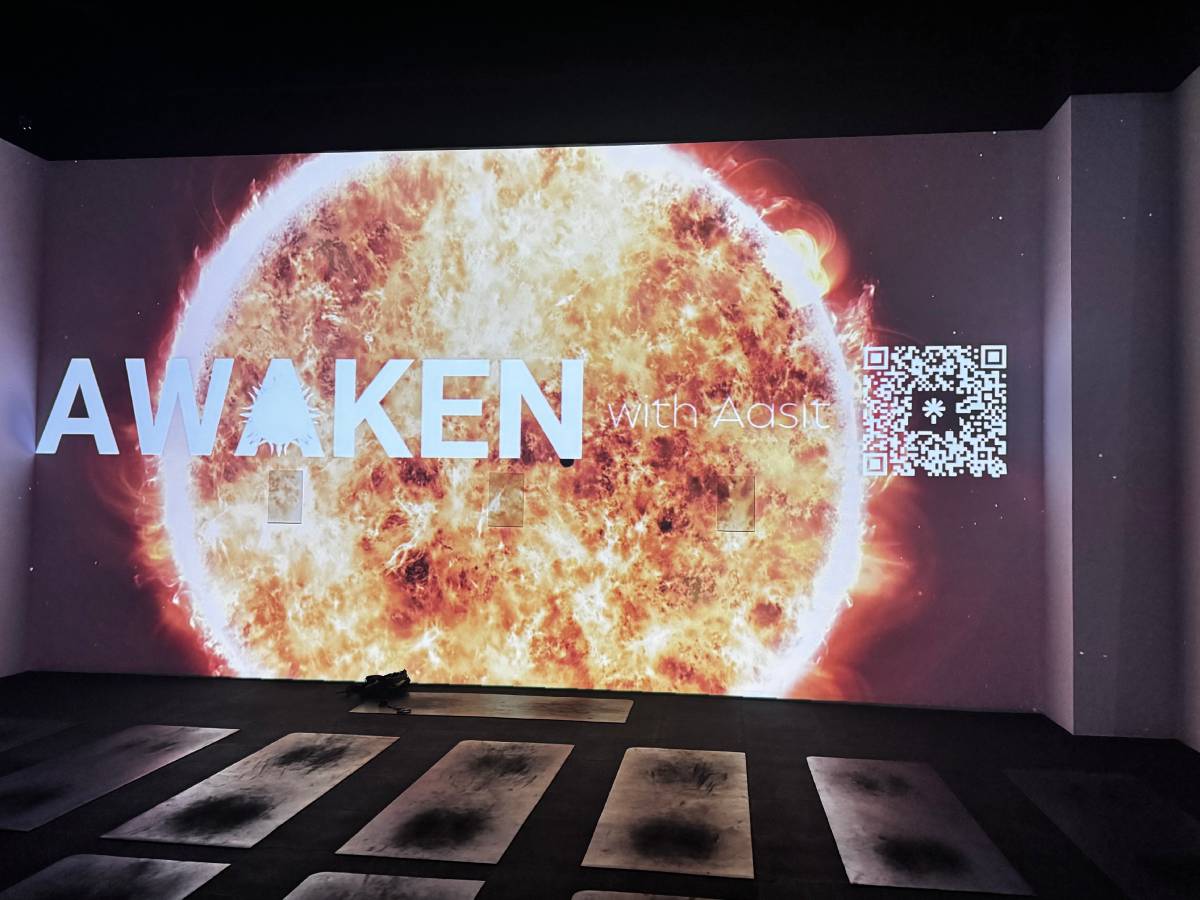
Aasit: Honestly, I think everyone needs a serious bootcamp on how to come home to themselves, dance, meditate, do breathwork, create art, or whatever gets you back into your body. Doesn’t matter your gender or who you love, we’re all out here competing in this exhausting social Darwinism instead of just sitting with ourselves for once.
Real intimacy is never only about sex with another person; it’s about reconnecting with your own soul first, finding the artist in you again, as Julia Cameron would say. When we actually do that work, we take accountability for our own emotions instead of outsourcing them to whoever’s closest. And that’s how we start stitching together a happier, more elated society, one where it’s not you versus me; it’s just us, finally on the same side.

Editor Note
Achievement for confidence, attention for validation, and another person for intimacy. Yet the more we chase these things, the easier it becomes to lose touch with the quieter signals coming from within us.
There is something powerful in the idea that pleasure is not always something to acquire. It can exist in a breath, a pause, a sensation, or a moment of being fully present in your own body. Perhaps disconnection begins when we spend too much of our lives performing rather than feeling.
The conversation also asks us to reconsider what strength looks like. We inherit ideas about masculinity, control, and emotional restraint, but strength does not have to mean hardness. It can also mean staying present with what we feel, even when vulnerability feels unfamiliar.
What might change if we stopped searching outside ourselves for what has been there all along?
