
There’s a quiet shift happening in how modern intimacy is understood and designed, and My Dungeon sits right at the center of that evolution. In this candid exchange, Rob reflects on recognizing a brand with a bold, almost electric core: one that dared to bring unapologetic, dungeon-grade intimacy into everyday spaces yet needed a more refined, contemporary lens to truly connect with modern couples.
What unfolds is a thoughtful exploration of transformation—not just of a brand, but of perspective. Rob shares how he reimagined the narrative from niche kink to intentional, beautifully designed intimacy, making space for curiosity without intimidation. From addressing real-world constraints like space, privacy, and time to redefining BDSM as something accessible, safe, and deeply connective, his approach speaks to couples navigating desire within the rhythm of everyday life.
This conversation goes beyond products. It touches on trust, communication, and the evolving language of intimacy where exploration is no longer reserved for extremes but gently integrated into real relationships, real homes, and real moments.
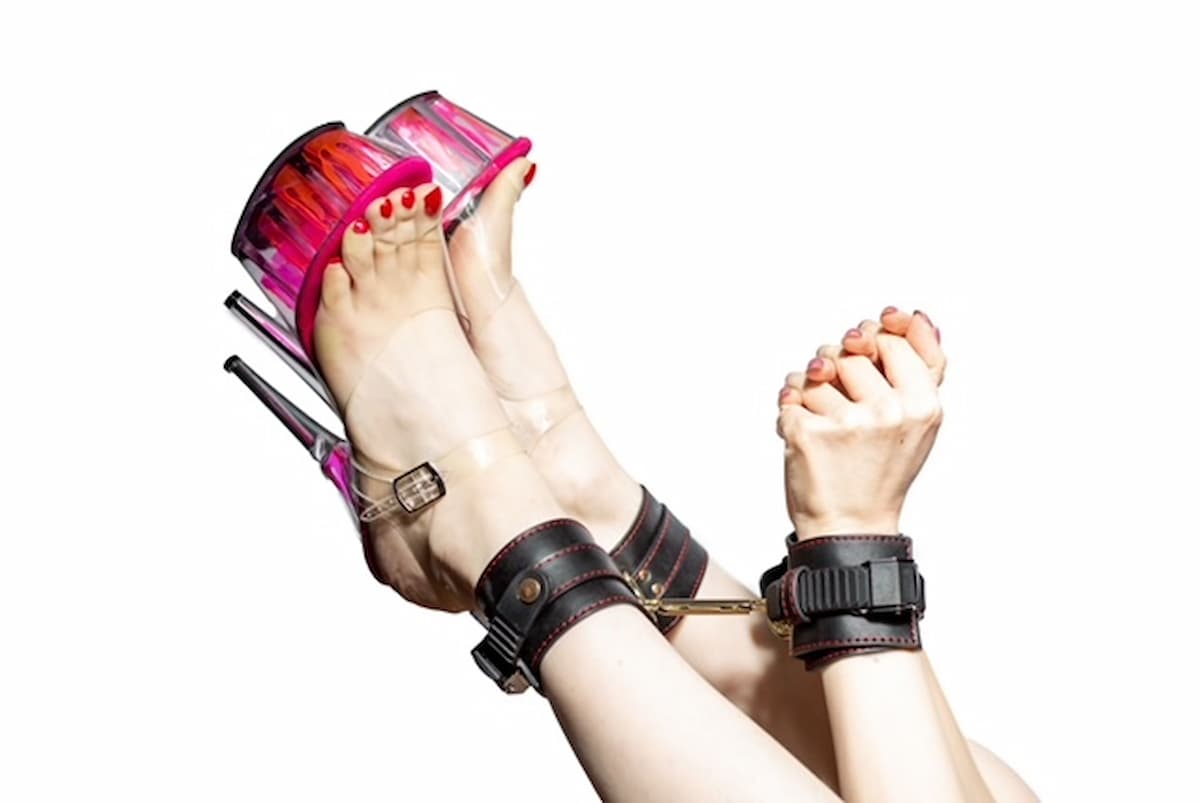
Website
Moment That Caught Your Eye
What first caught your attention about the brand when you discovered it, and what made you feel it deserved a second chance under your direction?
Rob: What struck me first was that the brand had a very clear, almost electric core idea: bring dungeon‑grade intimacy into ordinary homes, without shame and without compromise on safety. Even in its earlier form, you could feel that tension between domestic space and unapologetically kinky play. The products weren’t generic—they had a point of view. That immediately told me there was something worth saving.
At the same time, it felt like the brand was ahead of its own execution. The concept was strong, but the way it was presented didn’t fully meet modern couples where they are. The visual language, the messaging, and the product ecosystem weren’t yet reflecting how people actually live now—smaller spaces, shared households, busy schedules, and a desire for discretion and design as much as function.
I felt it deserved a second chance because the foundation was rare: a blend of engineering, honesty about desire, and a willingness to talk about BDSM without either sanitizing it or turning it into a caricature. Under my direction, I saw the opportunity to:
Refine the design so it feels at home in contemporary interiors and small spaces.
Reframe the narrative from “niche kink gear” to “beautiful, practical tools for serious intimacy.” Make the experience more accessible for curious couples while still respecting the lifestyle roots.
In other words, the soul of the brand was already there. It just needed a new lens—one that speaks to modern relationships and treats intimacy as something you can design for with the same care and intelligence as any other part of your home. That’s what made me want to take it forward rather than start from scratch.
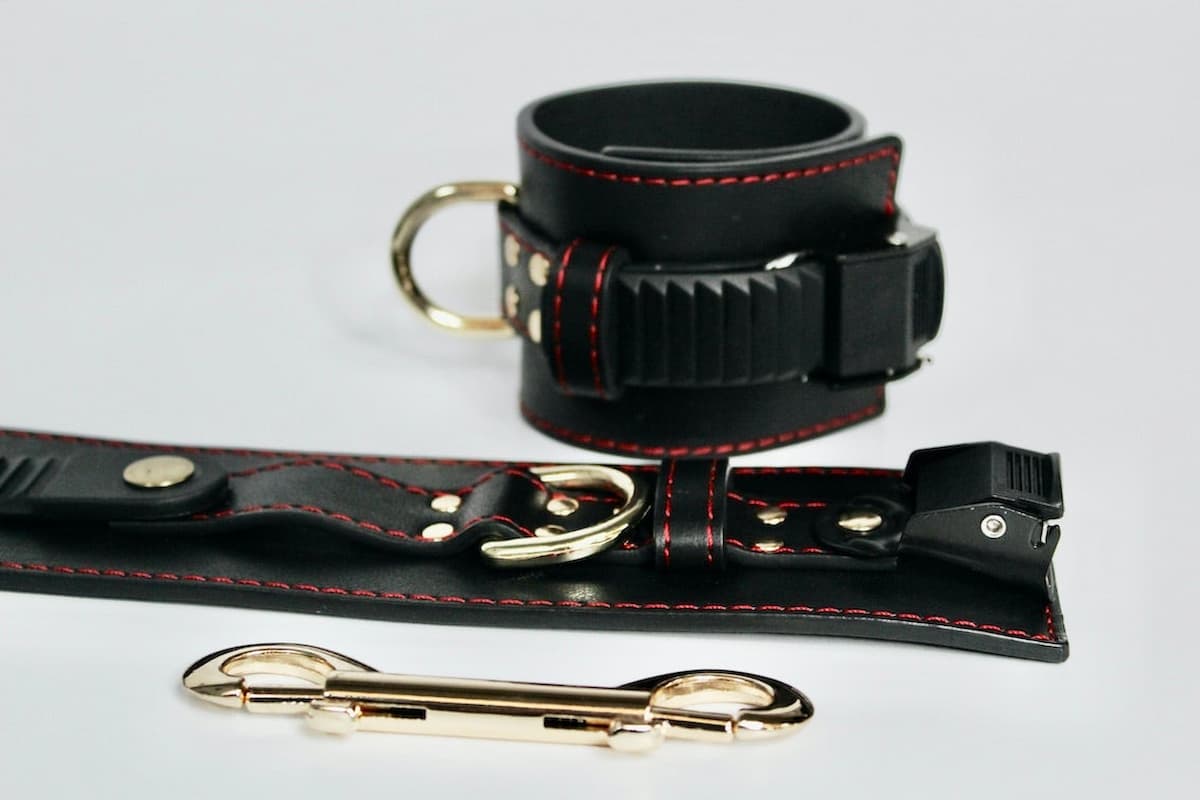
BDSM for Curious Couples
Your concept makes BDSM more accessible for curious couples rather than only for people deeply immersed in the lifestyle. Why was it important for you to design the experience this way?
Rob: Because that’s who I’m really designing for: real couples who are curious, not just people who already live and breathe the lifestyle.
BDSM is often presented in very extreme, niche, or intimidating ways—dedicated dungeons, complex gear, and a lot of unspoken rules. That can make everyday couples think, “That’s not for people like us,” even if they’re genuinely interested in more power play, restraint, or structured intimacy. I wanted to close that gap.
Designing the experience to be accessible does a few important things.
First, it normalizes curiosity. When the furniture is beautiful, easy to use, and fits into a normal home, it sends the message: you don’t have to be “hardcore” to enjoy this. You can be parents, professionals, people with a small flat and a busy life, and still have a rich BDSM-inspired dynamic.
Second, it builds confidence and safety. Intuitive, stable, well-engineered pieces create a sense of trust. If you’re new to restraint or control, you don’t want to be worrying about whether something will hold or how to use it. You want to be present with your partner. Making the gear straightforward and approachable supports good consent, good communication, and better experiences.
Third, it supports gradual exploration instead of all-or-nothing. A couple might start with light bondage or one specific dynamic and slowly build from there. Versatile, discreet furniture lets them dial things up or down without feeling like they’ve made a big, irreversible lifestyle statement. It’s an invitation, not a declaration.
For me, designing this way is ultimately about inclusion. BDSM, at its best, is about trust, negotiation, and deep connection—not just aesthetics or extremes. I wanted to create something that lets more couples access that side of it in a way that feels safe, beautiful, and most importantly, fully compatible with the rest of their lives.

When Curiosity Meets Reality
Many people are interested in exploring new dynamics in the bedroom but feel limited by space, budget, or privacy. How does your approach help remove those barriers?
Rob: A lot of people assume you need a dedicated “playroom,” a big budget, or a very private home to explore new dynamics. In reality, most couples are working with a small bedroom, shared walls, kids in the house, and a life that doesn’t pause just because they want better sex. My approach starts from that reality, not from fantasy.
I focus on three main barriers: space, budget, and privacy.
In space, everything is designed to be compact, fast to assemble, and easy to hide. You don’t need a spare room or permanent fixtures in your ceiling. You need something that turns an ordinary room into an intimate space in under a minute and then goes back to “nothing to see here” just as quickly. That means foldable designs, under-bed or wardrobe storage, and furniture that doesn’t scream “sex” when it’s not in use.
On budget, I’m very conscious that exploring new dynamics shouldn’t feel like an exclusive hobby. The goal is to offer durable, safe, well-engineered pieces at a price that feels like an achievable upgrade to your intimacy, not a luxury renovation project. I’d rather someone buy one versatile piece that opens up lots of positions and scenarios than feel they need a whole catalog of specialist gear.
On privacy, discretion is built into the design and the buying experience. Visually, the furniture looks more like minimalist, modern homeware than something clinical or intimidating. It blends in, which matters if you have kids, visitors, or housemates. And the fact that it sets up and packs away in seconds means you’re not living around it—it appears when you choose intimacy and vanishes when you go back to everyday life.
Ultimately, my approach is about lowering the psychological and practical barriers at the same time. If you know you don’t need to rearrange your home, spend a fortune, or risk awkward explanations, it becomes much easier to say, “Let’s try something new tonight.” That’s the real goal: making exploration feel accessible, safe, and sustainable for real couples in real homes.
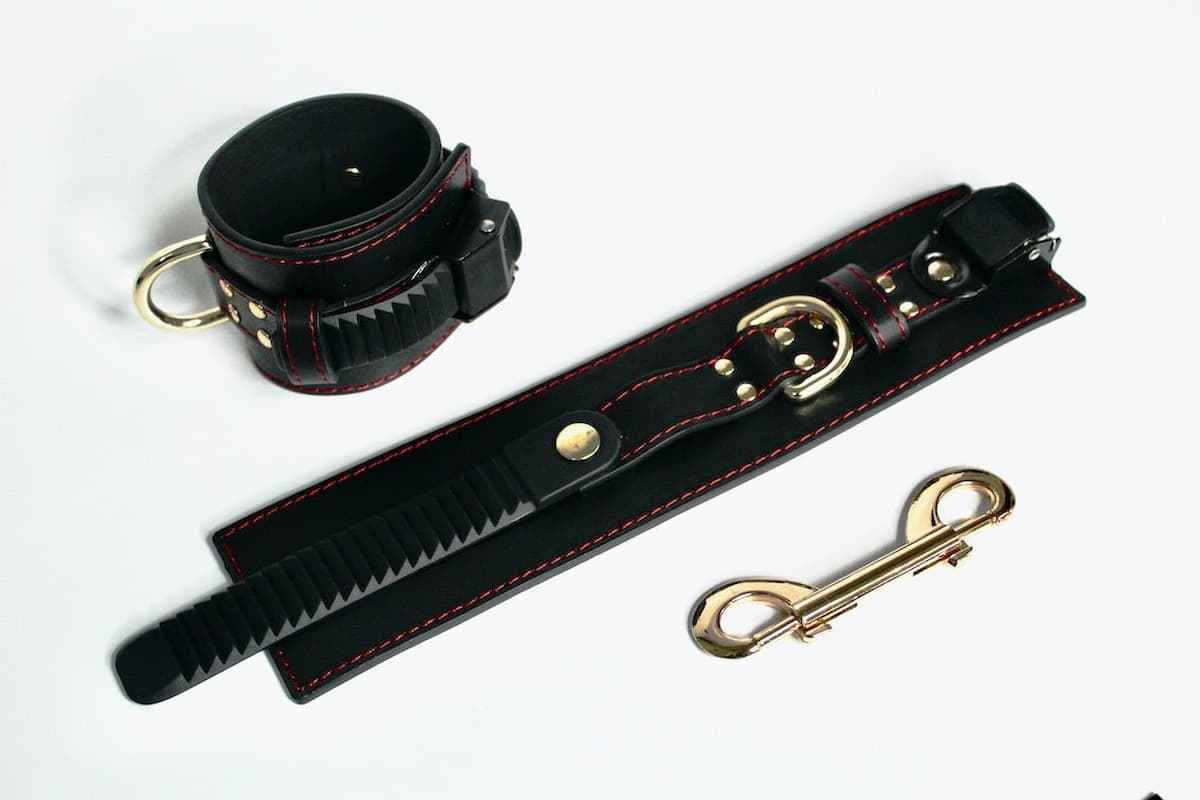
Desire in a Busy Life
The idea that the furniture can be set up and hidden away within seconds reflects the realities of modern relationships. How do you think intimacy is evolving for couples balancing everyday life, family, and desire?
Rob: Intimacy today is a lot less about long, cinematic moments and a lot more about being able to drop into connection quickly, honestly, and on your own terms.
For many couples, the biggest challenges aren’t a lack of desire but time, privacy, and mental bandwidth. You’ve got kids in the next room, a work laptop on the table, maybe you’re sharing a small flat, and you don’t want your sex life to be on display 24/7. So intimacy has to be flexible and discreet without losing its intensity. That’s where furniture that you can set up and hide within seconds really speaks to how people actually live.
I think intimacy is evolving in three key ways:
First, it’s becoming more intentional. When life is busy, you don’t always have hours to slowly build a mood, so being able to transform a “normal” space into a dedicated intimate space in moments helps couples carve out micro-moments of depth and play. You’re saying, “This time is for us,” even if it’s just half an hour between emails and bedtime.
Second, it’s becoming more modular around family life. Many couples are parents or in shared households. They want to explore kink or deeper erotic play, but they also need to feel safe and in control of their environment. Furniture that’s strong and functional and then disappears when you’re done acknowledges that you can be a devoted parent at 7 PM and an unapologetic lover at 9 PM, without those identities clashing visually in your living room.
Third, it’s becoming more personalized and less performative. Intimacy is less about what it “should” look like and more about what actually works for the two people involved. Discreet, quickly assembled furniture gives couples permission to experiment privately—at their own pace, in their own style—without having to redesign their home or explain it to guests. That lowers the barrier to trying new things and keeps desire alive over the long term.
So, for me, the ability to set up and hide furniture in seconds is symbolic of where intimacy is going: adaptable, honest, and integrated into real life. It’s not about escaping everyday life, but about weaving life into it in a way that feels safe, sustainable, and genuinely exciting for both partners.
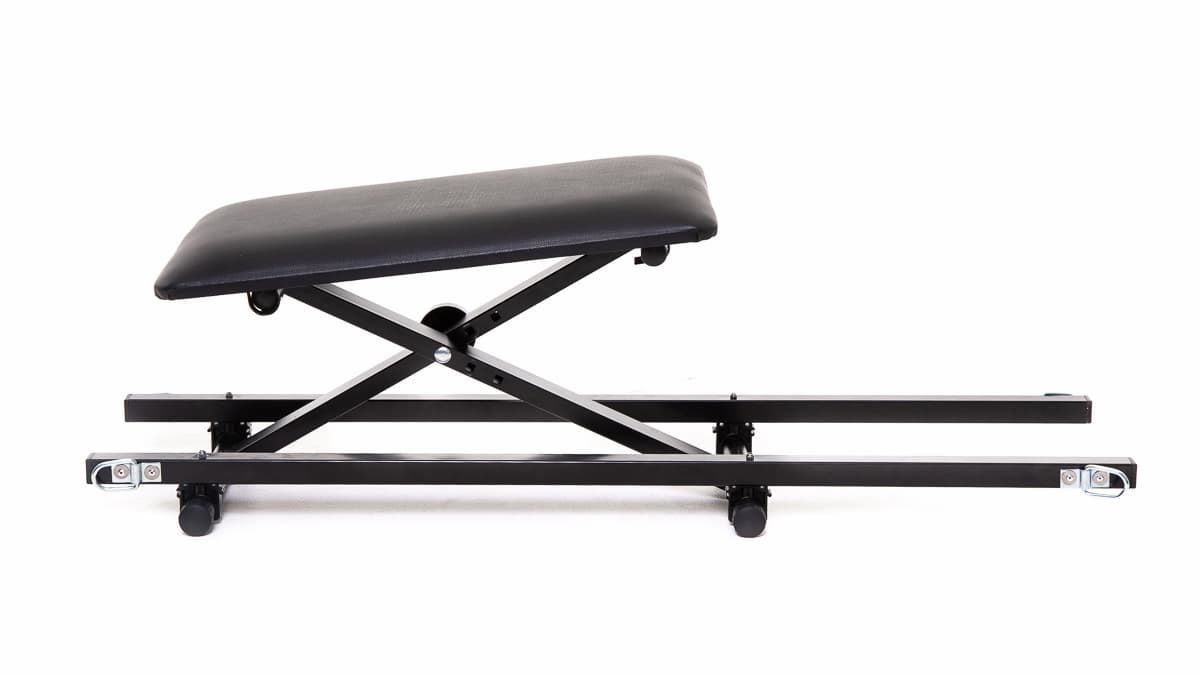
Opening the Door to BDSM
For someone who feels curious about BDSM but a little nervous about trying it, what advice would you give for taking that first step in a safe and playful way?
Rob: I’d say treat it less like a leap into the deep end and more like learning a new language with someone you trust.
First, get curious together before you do anything physical. Talk with your partner about what turns you on in theory—power dynamics, restraint, sensation—without pressure to act on it that night. Share what sounds exciting, what feels like a “maybe,” and what’s a clear no. That conversation alone can be incredibly intimate and gives you both a safety map.
Second, start ridiculously small. Your first step doesn’t need ropes and elaborate scenarios. It could be:
Agreeing on a simple power dynamic for one scene (e.g., “you’re in charge for 20 minutes”).
Using everyday items (a scarf over the eyes, a firm hand on the wrist) to play with control and anticipation.
Trying one clear structure: a safeword, a time limit, and a check‑in afterwards.
Third, create a container. Pick a time when you won’t be interrupted, tidy the space, and agree: “For the next half hour, we’re going to experiment. If either of us feels off, we pause.” Knowing there’s an easy exit makes it feel safer to lean in.
Fourth, treat aftercare as non-negotiable. When you’re done, come back to each other: cuddling, talking, and a hot drink. Ask, “What did you like? What didn’t work? What would you change next time?” That debrief turns a one‑off experiment into a shared learning process rather than a pass/fail moment.
Finally, remember that feeling nervous is normal—and actually a good sign. It means you care about doing this well. BDSM at its best isn’t about being extreme; it’s about being intentional. If you prioritize consent, communication, and connection, you’re already doing it “right,” even if your first steps are very gentle.

Editor Note
The real insight here is that intimacy is no longer something separate from everyday life; it’s something we design into it with intention, care, and honesty. By reframing BDSM from something niche and intimidating into something accessible and deeply human, this approach opens the door for more couples to explore without fear or performance.
There’s a quiet power in that. In making space for curiosity. In choosing connection despite busy lives, shared spaces, and unspoken hesitations.
Intimacy doesn’t need more extremes; it needs more intention.
