
Lil is a sexologist, intimacy coach, and advocate for neurodiverse relationships. They help individuals and couples navigate sexuality, intimacy, and connection with curiosity, compassion, and authenticity. Through coaching, education, and community advocacy, Lil guides people to understand their desires, communicate openly, and embrace pleasure in ways that feel safe and empowering.
Their approach combines practical strategies, sex-positive education, and insights into neurodivergence, helping clients explore intimacy without shame or judgment. For Lil, sex and connection are not just acts—they’re opportunities to build trust, vulnerability, and joy.
We spoke with Lil about their path from discovering sexology as a teen to guiding Autistic and ADHD couples, challenging taboos around sexuality, and showing how anyone can reclaim pleasure and intimacy through curiosity and openness.
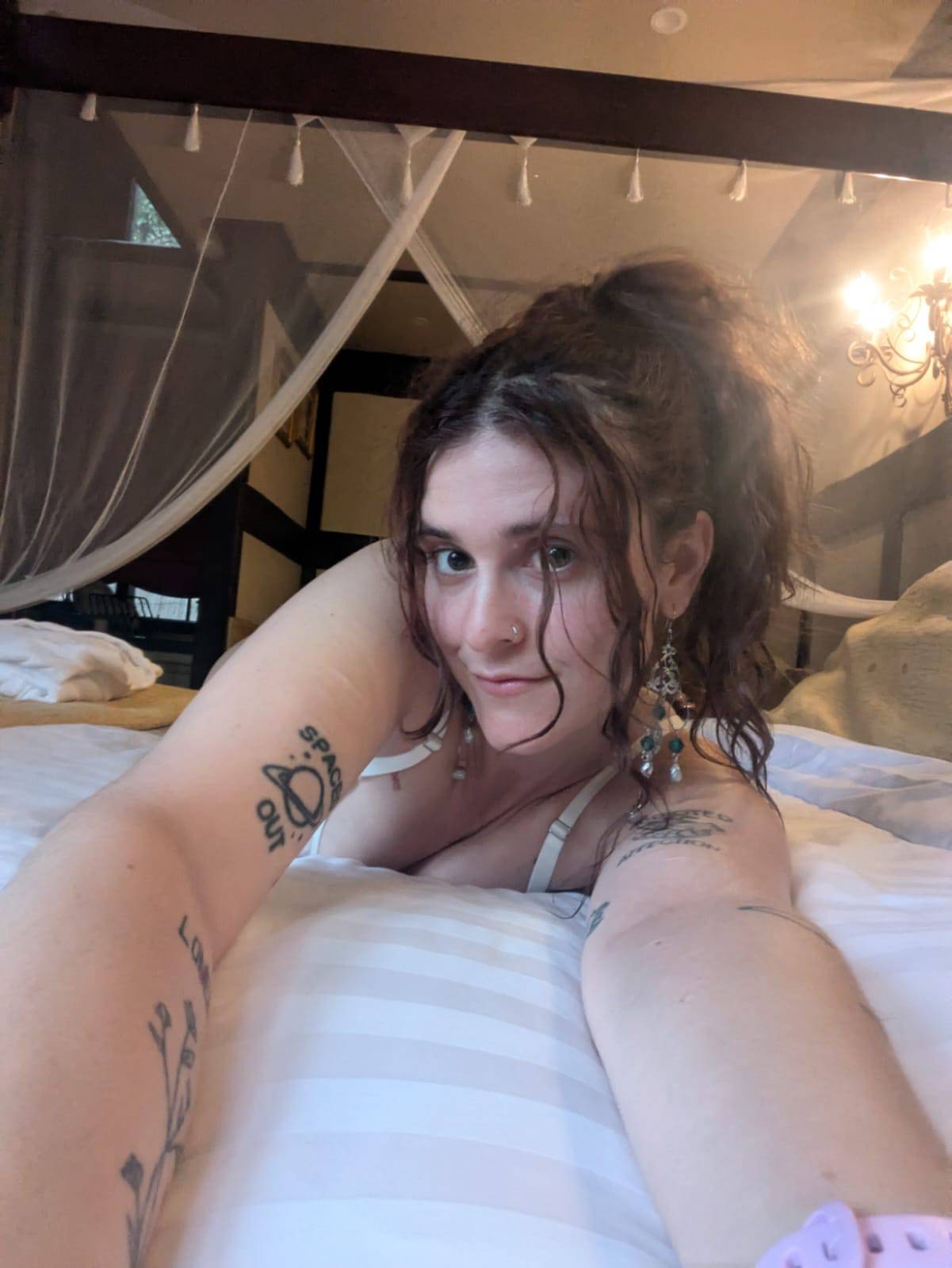
Personal beginnings
What first drew you to the intersection of psychology, sexology, and intimacy work? Was there a defining moment that set you on this path?
Lil: It was Dr. Lindsay Doe from Sexplanations (a YouTube channel, now on Patreon too?) with their video “flirting” that completely confirmed for me that sexology and intimacy work was the space for me. I was fourteen at the time and randomly looking on my sister’s laptop at some videos on YouTube, and in the search history was this video! And I watched it, immediately became captivated, and it set me off on this wild journey! It taught me that flirting was not inherently sexual, but also seeing the widening of someone’s eyes, and talking passionately about a topic. Oof, what a dream! Objectively, sex has always been interesting and fascinating to me.
Both of my parents read me a book called “Where Do Babies Come From?” I think around the age of five. From there, I recall experiencing puberty a lot earlier than many of my peers, and as my parents had separated, my father bought me Kaz Cook’s book “Girl Stuff,” which was a complete game-changer and taught me so many things about my body. I would say it was probably for a more mature group (as I read it at the age of ten), but it was fascinating to me. I found a copy of the book at an op shop and bought it the other day – it still holds up pretty well!
Here’s the video that got me started: Flirting Video – Sexplanations
Neurodiverse relationships
Working closely with Autistic and ADHD partnerships, what unique strengths and challenges have you witnessed in how these couples approach intimacy and connection?
Lil: Challenges are a bit more frequent, but I think that comes with what should be expected when people are coming to therapy. People rarely attend partnership therapy when things are going well.
Some of these include:
- Communication differences are the biggest things I see. Usually, someone needs to verbally process to get to their point, and the other often speaks very direct and to the point. That being said, at times I also see differences with how we interpret language, whether it is through literal and semantic interpretation, or subtext and hyperbole. Both differences show up, often.
- Domestic load is a huge challenge across my Autistic ADHD couples, particularly when distributing mental load and physical domestic labour – whether it be through not having adequate structures or systems, competing sensory needs, etc. The battle of disability impacts (especially when one partner may struggle and require their partner to become a carer at times)
- Rejection sensitivity is HUGE with my Autistic and ADHD partners. Often, this takes up a lot of time in the sessions I have, as we are trying to figure out who hurt who and why, and how to reduce the shame spiral.
- Sexual intimacy and sensory differences – this one is huge. Usually, someone is tactile-seeking, and the other human is tactile aversive. This makes sensual and sexual pleasure really difficult for all parties to enjoy and embrace.
I think there are always differences when it comes to how we navigate our own partnerships; however, some of the strengths I witness often for Autistic and ADHD partners include:
- A mutual value system. Very rarely do I see partners who share different values. They often come in and are so deeply and strongly sharing beliefs, that they are able to tackle challenges together as a team in such an efficient way that is tied to their strength of values
- Special interests and autonomy. Another thing I notice regularly is partners who have such deep special interests and a mutual understanding of the importance of routines, alone time, and the ability to engage in their special interests. Some partners share the same ones, but others have different interests, and there is always a prioritisation on recognising that they need time to do and engage in these.
- Sensory and emotional delights – when couples have some mutual compatibilities with sensory impacts, there is this incredible attunement they have to each other’s needs emotionally, sensorily and otherwise in the therapy room. I often see how easily they mention their partner’s preferences or dislikes and advocate for them, which is quite beautiful.
- Honesty – something I see particularly with the clients I work with that are unmasking or do not mask at all. The radical proclamation and aim for truth-speaking is undeniably beautiful and also allows for transparency in session without the fluff.
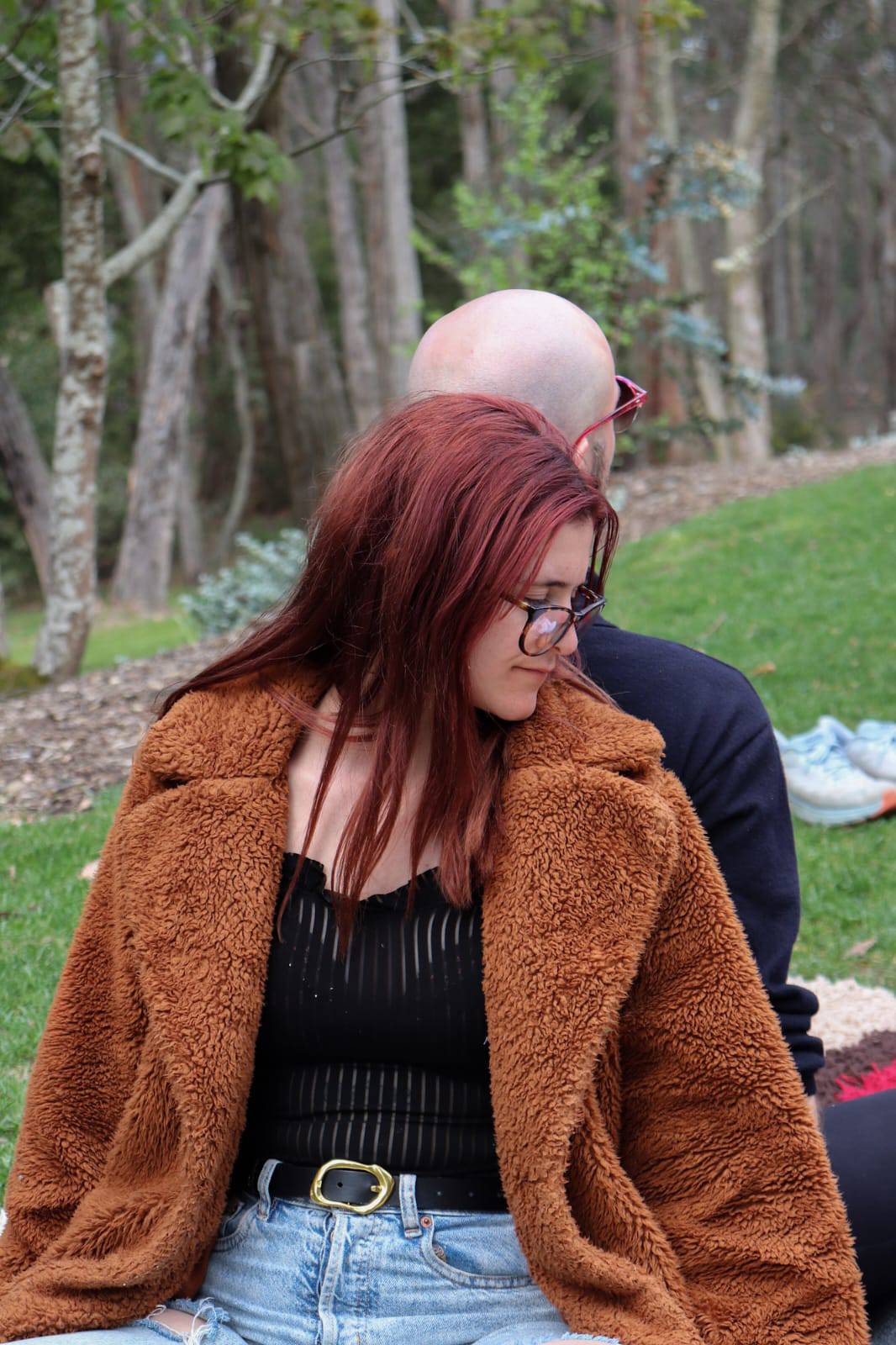
Breaking silence
Conversations around sex and neurodiversity are often left unspoken. Why do you think that silence exists, and how can we begin to dismantle it
Lil: I think the silence exists because people shy away from sexual intimacy regularly. It is already a taboo topic, and then when you add a disability lens to it? Uh Oh. Recipe for disaster for all of the people who are afraid to ask questions curiously. It isn’t anybody’s fault per se, but let it be clear and known – Neurodivergents and Disabled people more broadly have sex!
The research is usually about 10-ish years behind the community, too, which means that it is usually community-led discussions around this space that really bring these topics to light. How can we increase more?
- More funding into research spaces surrounding sexuality and sexual health with Autistic and ADHD individuals
- Promoting and amplifying the voices of First Nations, CARM, BIPOC, LGQBTQIANP+ and disabled groups that operate within these spaces
- Creating more community groups or allocating more funding grants towards events, conferences, and experiences where we can learn about disability and sex.
- Start hiring more Autistic ADHD artists in film and media, to help support representation
- More trainings on this space and the intersectional elements that also play a role.

One Taste of Kink
Do you think exploring kink should be part of everyone’s sexual journey at least once, even if they don’t identify as “kinky”?
Lil : Personally, I believe that you do not always need to try something to figure out if you would enjoy it or not. Some people find it just as valuable to fantasize and imagine what it could be like, without actually engaging. And sometimes that is satisfying, and other times unappealing. I am hypothesising though (and this is merely a hypothesis) that an Autistic ADHD’er pioneered the kink scene. When you think about it:
- Scripting communication lines and scenes
- Clear, established roles and activities, SSC principles
- Temperature, Sensory, and Exteroception based play
- Being told what to do vs telling others what to do
I feel like that all encapsulates what many of us do desire. However, there are varying degrees here too. It really does depend on the individual, and some people have very sensitive bodies, where this might be too much for them. For others, it is the perfect sensation-seeking indulgence. But in short, no. I do not believe in encouraging people to try things unless they are open-minded to it in the first place.
For myself, I am always a “try it once, and then maybe a second time if I am unsure” kind of human. But that is for me and me only. It takes a lot of research, comfortability, and openness for many of our community to step into this space – so I tend to have a “the door is always open for your exploration or closing, depending on where you feel you are in your journey” mentality.

Love Survives Without Sex
Do you believe great sex is possible without love — and is great love possible without sex?”
Lil: I have had some very great sex without love, so yes. Best sex of my life though? Probably not. I have had my fair share of one-night-stands, friends-with-benefits, short-term and long-term relationships, flings, and all the in betweens, and many of those people have been “really great sex”. I personally find sexual connection and intimacy to be something profoundly vulnerable and deep, where, when I am partnered, I am able to have the most pleasurable sex, and to also let go of performativity. It is also just nice, because usually you have knowledge of your own body and your pleasure partner’s body too, which just enhances the experience.
Great love is absolutely possible without sex. I have witnessed it and I have experienced it. However, it depends on so many different thing,s which is why nuance matters. I experience great love regularly, across my romantic and platonic relationships. I do not require sexual activity to be something that allows me to experience great love, respect and deep intimacy with someone else. However, the nuance here includes a few things: Are you polyamorous? Are you somewhere on the ace-spectrum? Are you someone who has differences which may prevent you from accessing or engaging in sex?
Those are just some examples of where nuance plays a role. However, in my clinical room I have seen many partnerships thrive, even without sexual intimacy. What matters is the foundation integrity of a relationship (in my opinion) and that is where I see whether great love exists or may be struggling. What is that foundation? Usually, it’s play or friendship. If those two things can co-exist in partnership, great love can be present and sustain it without sex. Sex still plays a very large role for many people, but it is not the foundation of relationship longevity.

Masturbation Should Be Everyone’s
If you could make one bold statement to normalize masturbation for everyone, what would it be?
Lil : Learning to please yourself, sets you up for healthier communication of your sexual needs and preferences and actually achieving pleasure; as opposed to spending most of your life resenting someone else for something you do not even know about yourself.

Advice for readers
For someone who feels disconnected from their body or their partner right now, what would you say is the first small step toward rebuilding intimacy?
Lil: Do something that brings you and your body joy. It does not have to be inherently sexual, but instead, you should do something that brings you delight, joy, or pleasure. This can be dancing, cooking, reading, inhaling a nicely scented candle, dressing up, even if you do not intend on leaving the house.
The best thing you can do is allow yourself the permission to engage in something that allows you to tap into the senses, or into a positive experience that can elicit flow. Pleasure is an act of radical resistance when the world is crumbling around us.
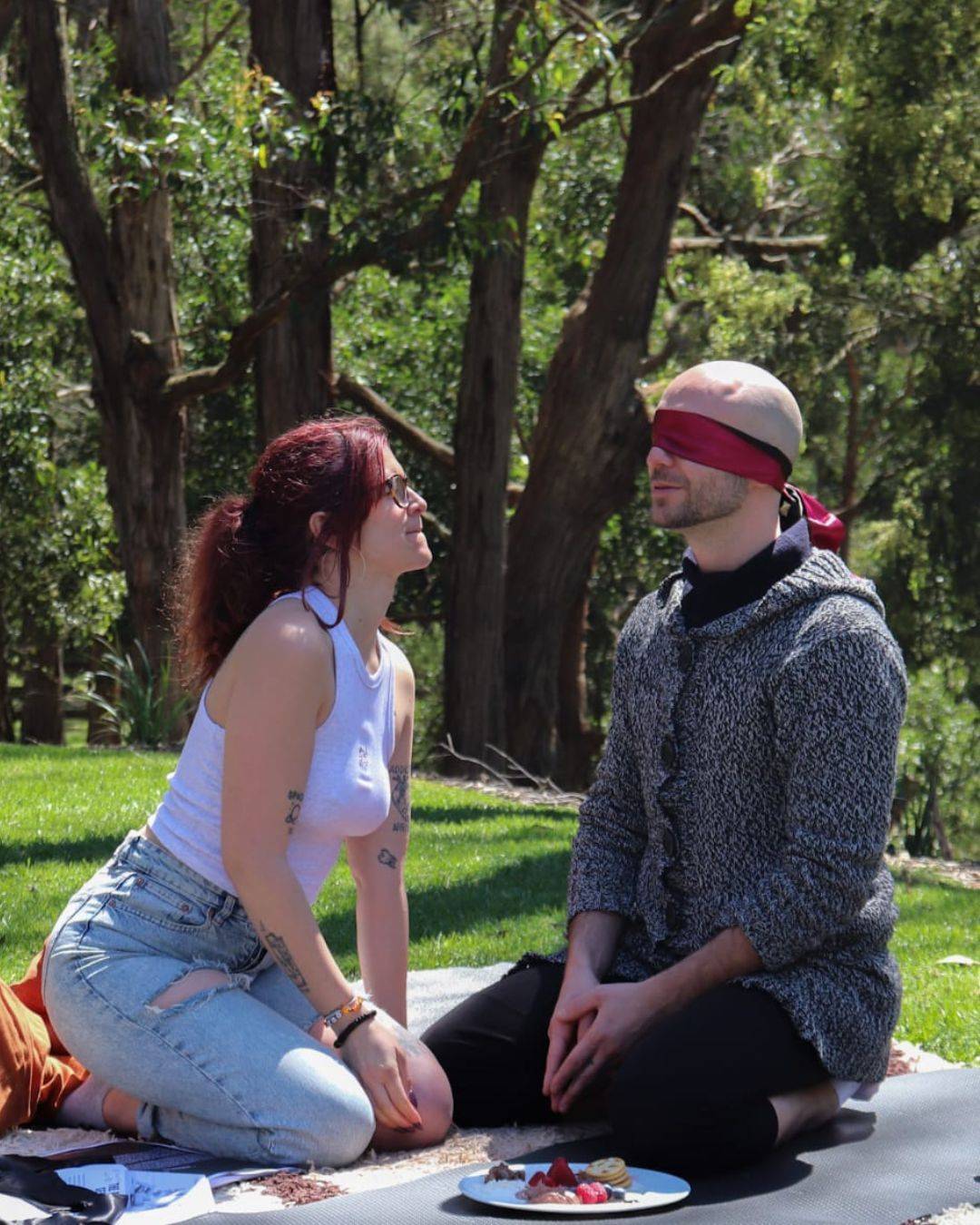
Future vision
Looking ahead, what conversations around sex, relationships, and wellness do you hope we’ll be having more openly in the next decade?
Lil: I hope we will be talking about disability, neurodivergence, and sex in the same way we talk about sex now – being inclusive, without it being a big deal. Not having to preface with taboo tippy-toeing before we discuss, but rather just engaging in the dialogue like an everyday conversation.
It would also be really wonderful to see conversations around disability-friendly sex toys becoming more common, as well as the integration of sexual aids through sex workers, sex toys, and/or other accommodation and assistive technologies that support our communities.
Editor’s Note
Lil’s perspective shows that intimacy and pleasure are not one-size-fits-all—they evolve with curiosity, self-awareness, and honest communication. Exploring your desires, whether alone or with a partner, opens doors to deeper connection and trust.
Pleasure becomes a space for empowerment, vulnerability, and joy, where boundaries are respected and authenticity is celebrated. By approaching sexuality with openness, anyone can reclaim their sense of intimacy and create experiences that feel fulfilling, safe, and uniquely their own.
“The door is always open for your exploration or closing, depending on where you feel you are in your journey.”
