
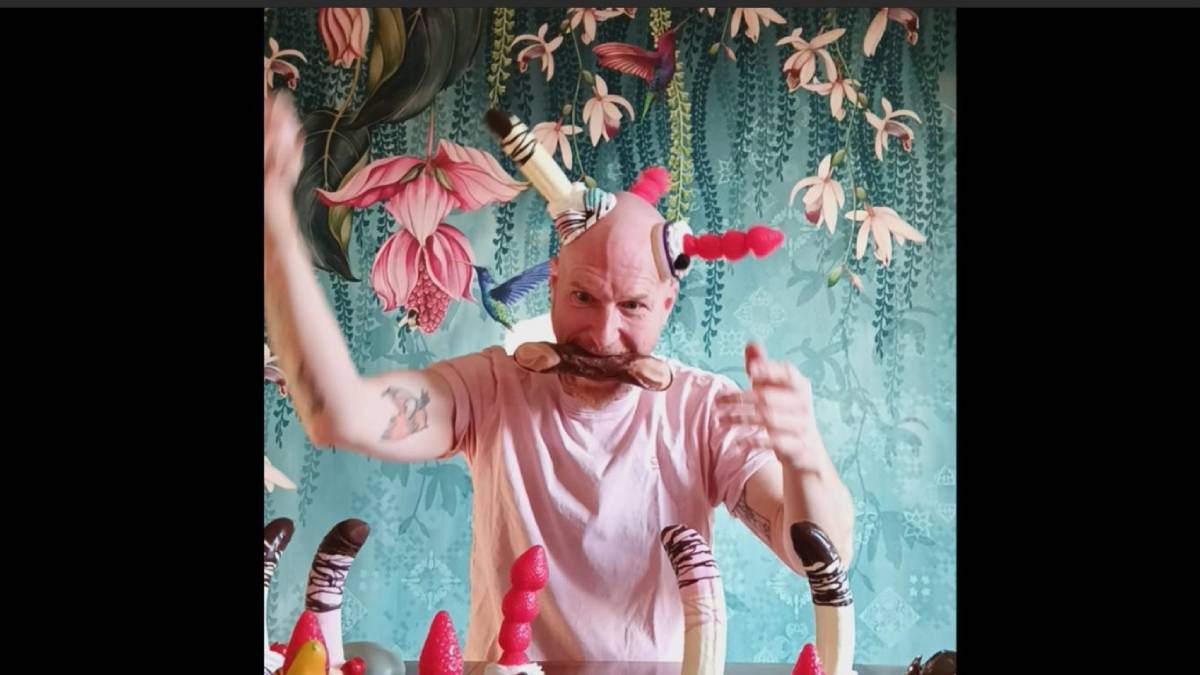
The philosophy behind Suendwaren-Konditorei is rooted in the belief that pleasure objects deserve the same creative attention, craftsmanship, and artistic integrity as any work displayed in a gallery. Founded by artist Frank Walter during the uncertainty of the 2020 lockdowns, the brand emerged not from a business plan but from a process of experimentation, curiosity, and a desire to create something tactile in an increasingly digital world.
Frank reflects on the fluid relationship between art and sexuality, rejecting the notion that intimate products exist outside of serious creative practice. For him, the same processes that shape sculpture, painting, and installation work also inform the creation of pleasure objects. Materials, textures, craftsmanship, and imagination become tools for exploring both beauty and desire.
What emerges is a broader discussion about the value of handmade creation in an age dominated by mass production. Frank speaks passionately about individuality, quality, and the importance of making objects that carry personality rather than anonymity. Rather than competing with disposable consumer culture, Suendwaren-Konditorei embraces slowness, experimentation, and a commitment to creating pieces that feel personal, distinctive, and intentionally crafted.
The conversation also explores the connection between sensuality and everyday experience. Food, touch, aesthetics, humour, and sexuality are presented not as separate worlds but as interconnected expressions of pleasure and human curiosity. Through this lens, intimacy becomes something that can be appreciated not only physically but also artistically and emotionally.
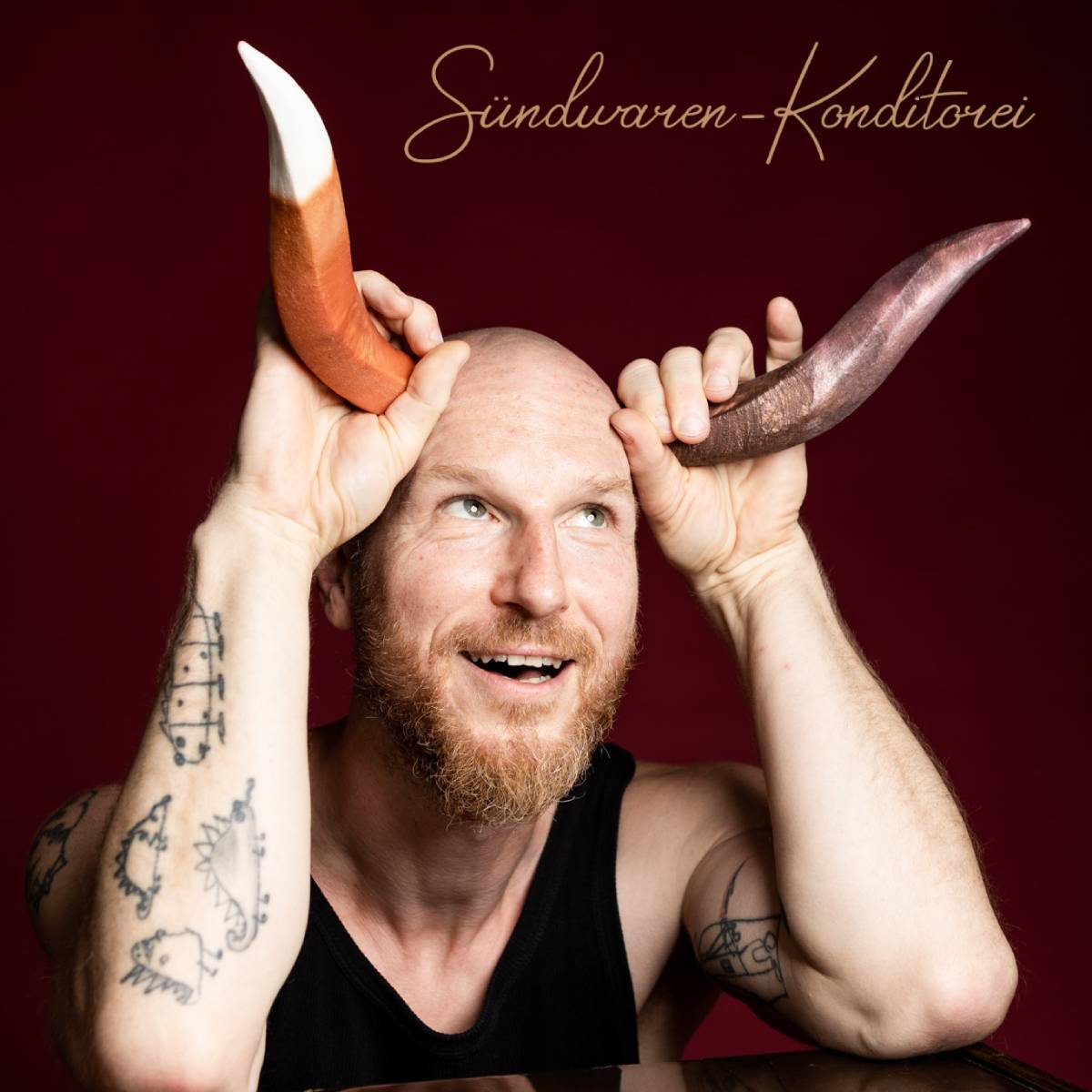
Website
From Toy to Art Piece
Suendwaren-Konditorei transforms sex toys into sculptural, almost gallery-worthy objects. Was your goal always to blur the line between intimate products and contemporary art?
Frank: I come from a background in art, which means that I essentially approach the entire working time spent on an object through this lens, allowing the artwork to expand from the process itself. Any other way of working is pretty much unthinkable for me, because at some point, I’d just end up bored out of my mind. In fact, I’m usually more preoccupied with trying not to let every single toy escalate into a piece of art. If I stick with it for too long, the newly formed, process-driven ideas bubble in my head bursts and spews out art. I then have to mop up the mess, and what’s left behind is an art object with a very spacious connection to sex toys.
It happens almost automatically; the things I engage with find their way to art through the exploration of materials, the workflow, tools that need to be reinvented, and so much more. Creative processes are a cornucopia of new ideas. So, art objects on the subject are very much in the pipeline to anchor the bridges between these fields of work in a more fluid, floating kind of way.
Why Handmade Matters
Your work rejects mass production in favour of handmade craftsmanship. Why is the human touch so important when creating objects connected to intimacy and pleasure?
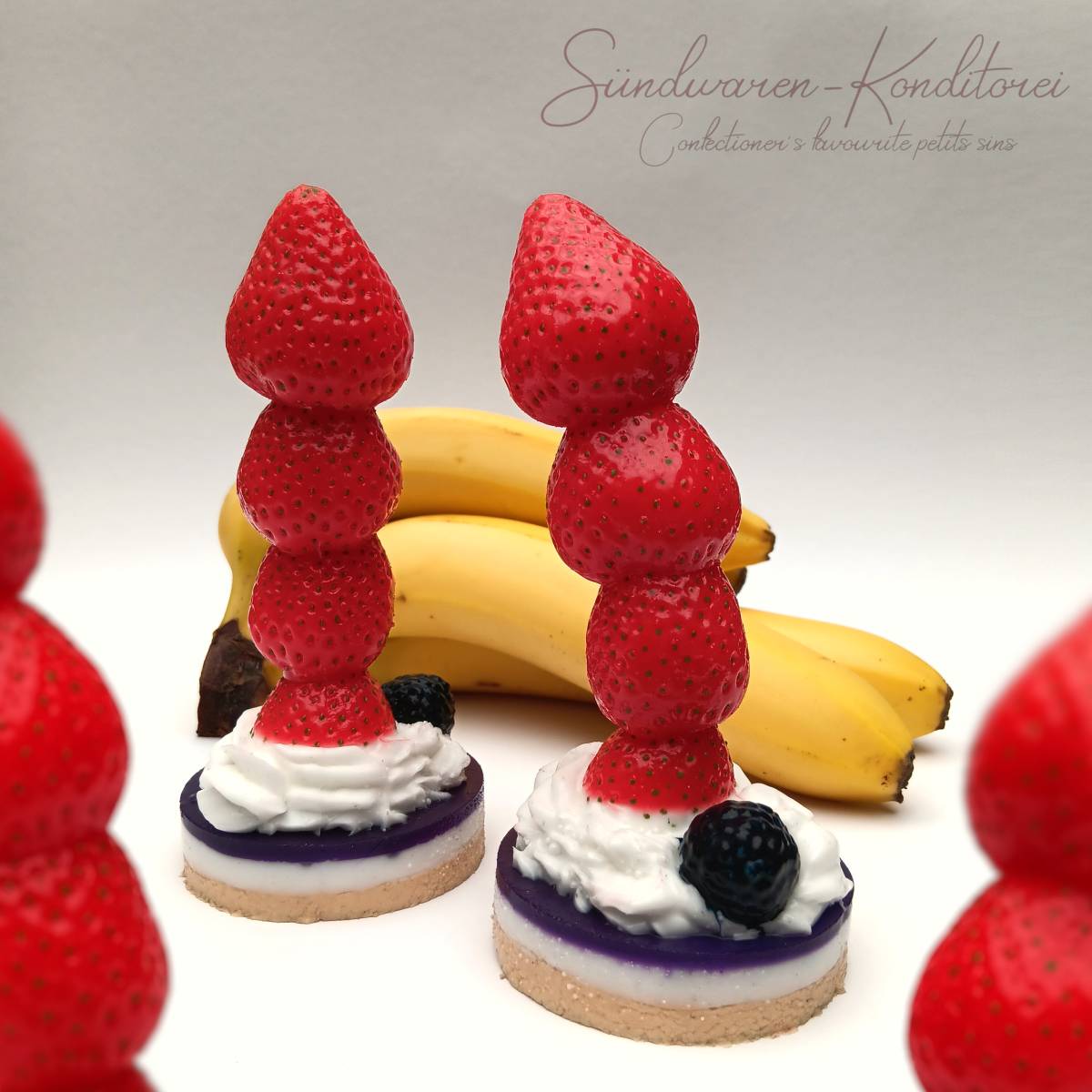
Frank: Why add to the mass production when you can have maximum personality instead? Mass production is just a resource-guzzling machine for throwaway items, and frankly, I find that completely lacking in charm. I want to build unique, one-off pieces that bring me pleasure during the making, pleasure that I then pass on to the owners through the final product! I’m simply trying to become the Fabergé of rubber sex toys; let’s see if I can pull it off.
Mass products are already being made by others anyway, usually in the form of rip-offs where the entire core idea gets buried. Mass production exists primarily to rake in piles of cash, often off the back of other people’s ideas. So, my toys will be made to my own standards, becoming even more elaborate and imaginative. Eventually, there will be light-years between my sex toys and those from the rip-off industries in Shenzhen or wherever else. Quality is my shield; my customers want my objects, not cheap copies. Naturally, this also results in pieces that cost more due to the sheer amount of labour involved, but the other options aren’t going anywhere.
Mass-produced gear is simply SOULLESS!
Taste of Pleasure
The aesthetic of your products feels luxurious, playful, and sometimes even nostalgic. How do food, indulgence, and sensuality influence your creative process?
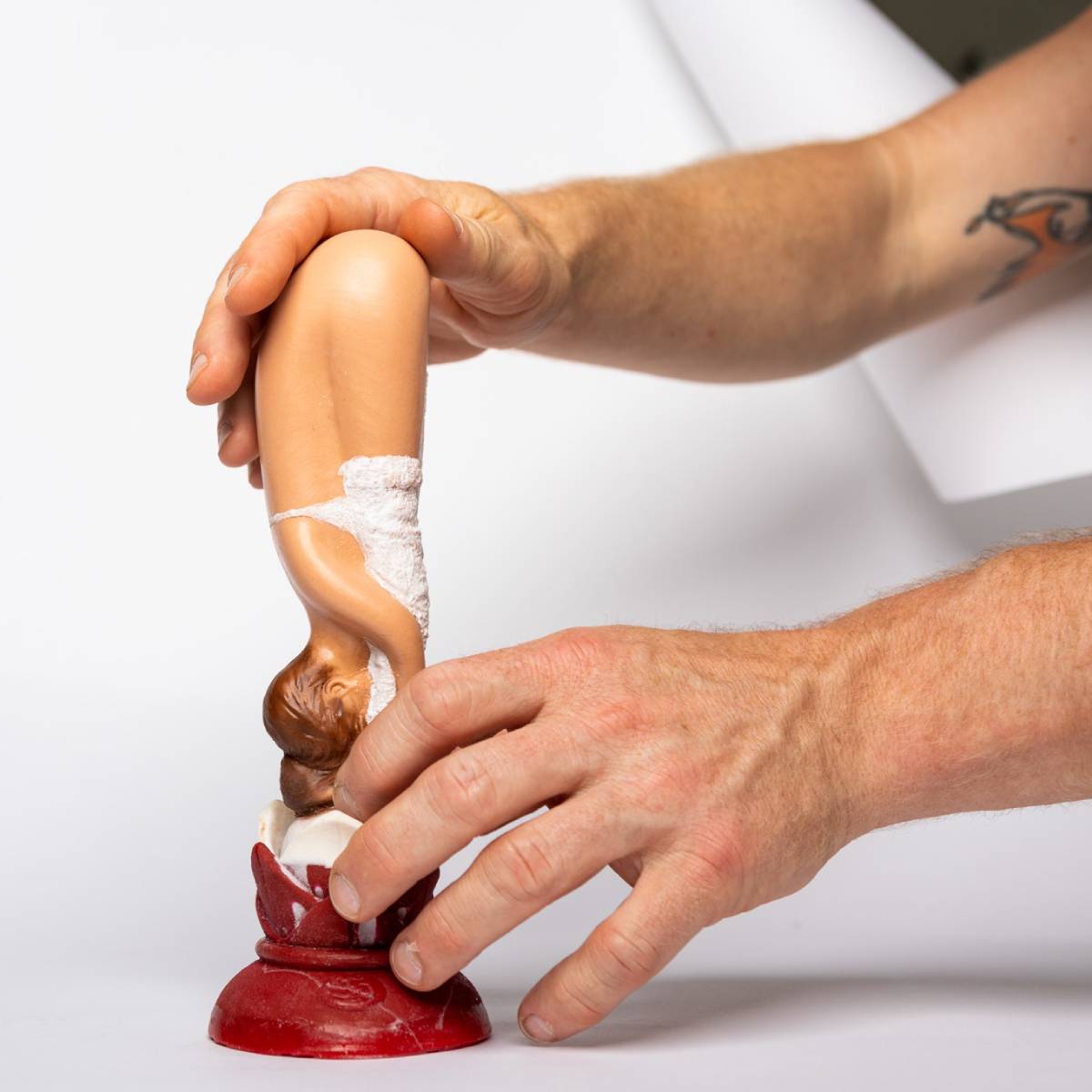
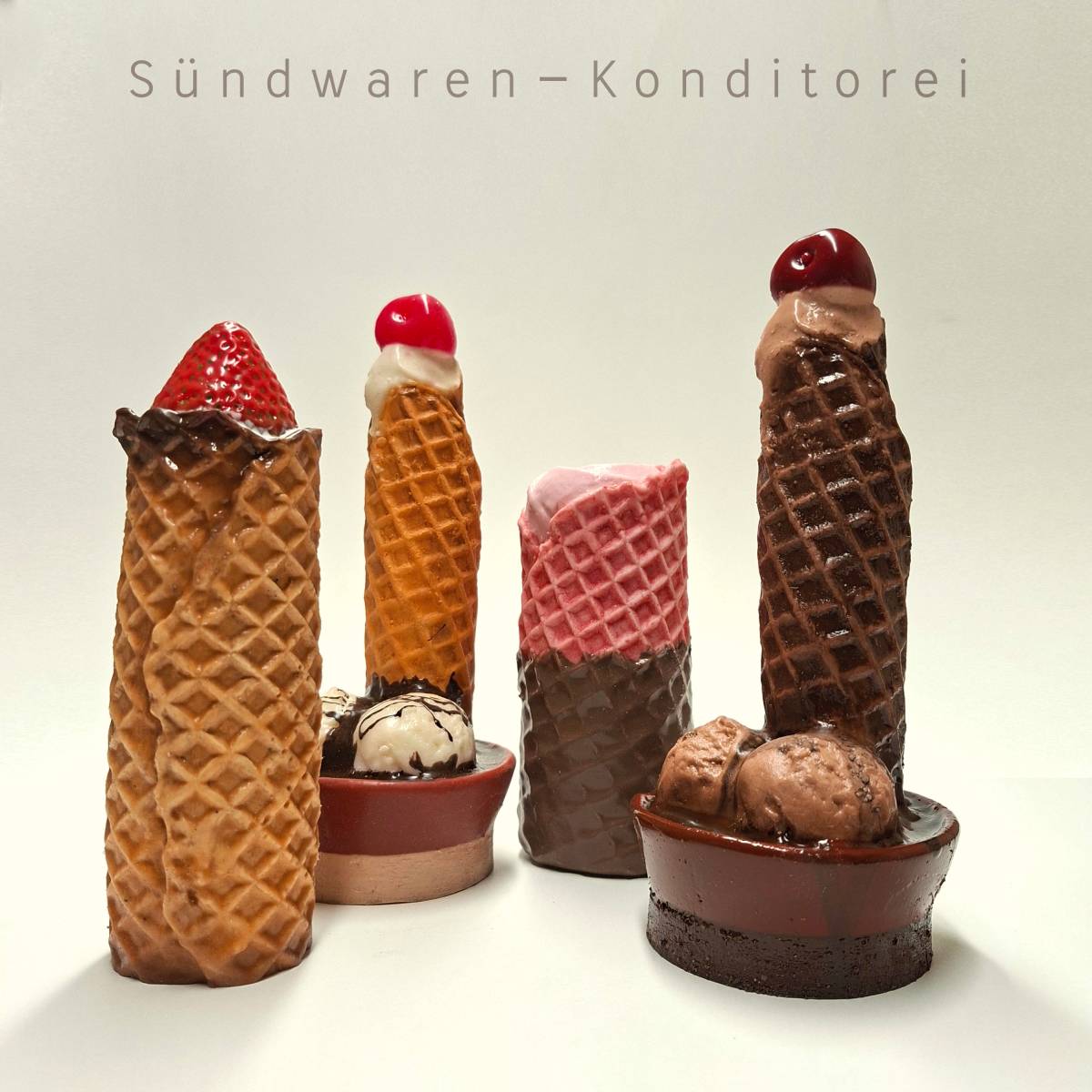
Frank: Cheers! I’m a pretty decent cook because I love good food, and I reckon most artists who work with their hands, painters, sculptors, and so on, are quite good in the kitchen too.
As for media artists, I wouldn’t know; I haven’t tried them yet. Food is sensual. Sometimes, it’s even about stuffing your face!
Taboo as Art
As an artist, was there ever a moment when you questioned whether entering the world of adult products would change how people viewed your “serious” art practice?
Frank: Not really, as from my perspective, that question doesn’t even arise. It’s all entirely serious. I always mean everything I do!
Art is all about tensions, and these are constantly shifting. New information is being pushed out permanently, and everything keeps moving faster and faster; it’s a reflection of society. And to unwind, that society needs help in the form of drinks, yoga, meditation, crazy hobbies, and, last but not least, sex, masturbation, and even crazier hobbies (involving sex). To me, the whole thing makes perfect sense.

More Than Pleasure
What do you hope someone feels emotionally, mentally, or physically after experiencing one of your creations for the first time?
Frank: In an ideal world, enlightenment or, at the very least, just beauty. Quite happy with total sexual arousal too, and maybe a brief sense of satiety at the end. Whichever you prefer, as long as it contributes to a happy survival.
Editor Note
Pleasure does not have to exist on the fringes of creativity. It can be crafted, celebrated, and approached with the same imagination, skill, and respect we reserve for any artistic pursuit. In a culture increasingly dominated by speed, convenience, and mass production, there is something refreshingly rebellious about creating objects slowly, intentionally, and by hand.
When art, pleasure, and individuality meet, even the most intimate object can become something worth reflecting on.
