
For Brendan O’Hara, sexuality has never fitted neatly into a single category. Having spent different chapters of his life identifying as straight, gay, and bisexual, he understands the complexities of navigating identity while searching for a place where every part of himself feels accepted. His experiences raise a bigger question: why should belonging depend on fitting someone else’s expectations?
For years, he found himself moving between social spaces, feeling that certain parts of his personality, interests, and sexuality were not always understood. Rather than continue searching for somewhere he could fully belong, he decided to create it. That decision led to Middle Men, a podcast and community connecting men who identify as bisexual, fluid, curious, straight, unlabeled, or asexual, alongside gay men who feel disconnected from traditional gay social environments.
At its heart, Middle Men challenges the idea that sexuality needs to come with a set of rules. It creates room for honest conversations, meaningful friendships, and connections without judgement, particularly for men who have experienced the loneliness of feeling somewhere between two worlds.
In this conversation, Brendan explores the limitations of labels, the realities of dating openly, the emotional cost of hiding parts of yourself and the freedom of finding people who understand. His message is simple but meaningful: you should never have to choose between being yourself and belonging.
Website
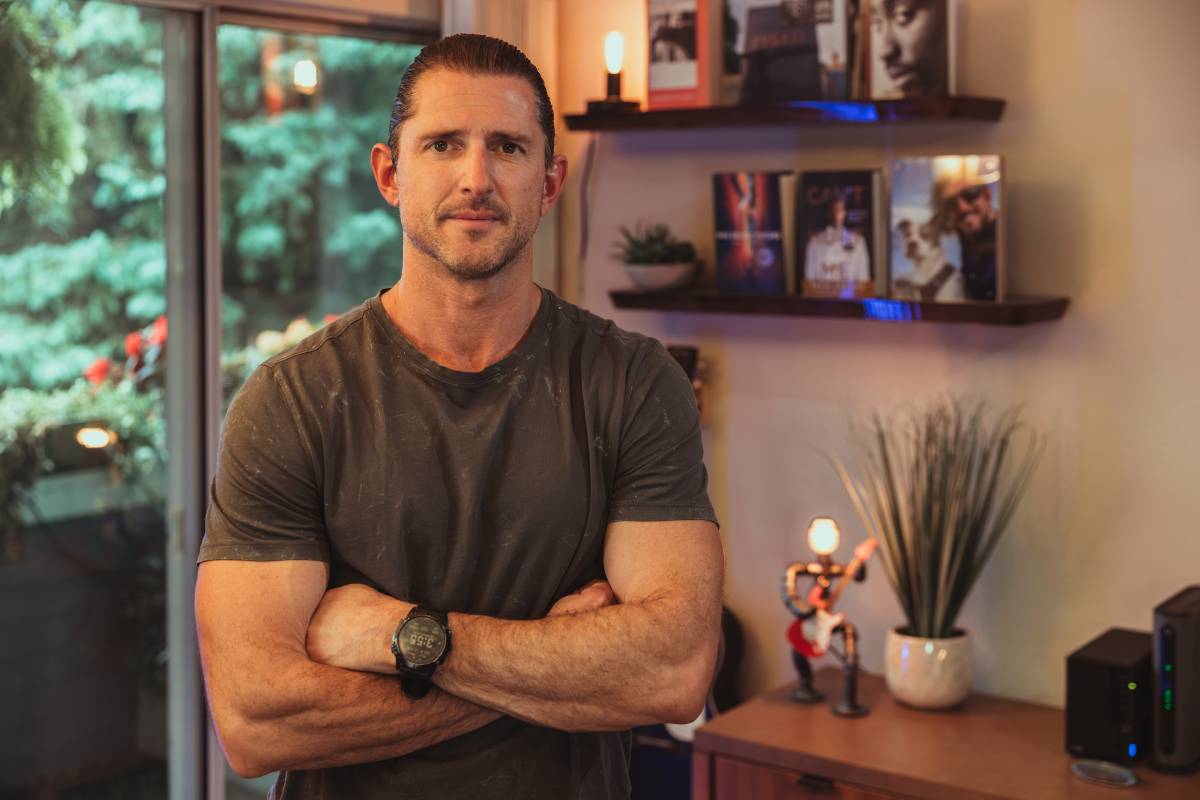
Living in the Middle
Spending different chapters of your life identifying as straight, gay, and later bisexual has given you a unique perspective. What has living somewhere in the middle taught you about sexuality, identity, and the pressure to have everything figured out?
Brendan: I’ve learned that American society seems much more comfortable when men fit neatly into one of two categories: “straight” or “gay.” And once you’re put in one of those boxes, there’s often an expectation that you’ll adopt the interests, behaviors, and social norms associated with it, even when those expectations don’t reflect who you really are.
As someone who’s bi, or as I prefer to say, “not straight.” “I rarely find all parts of myself reflected in the same room.
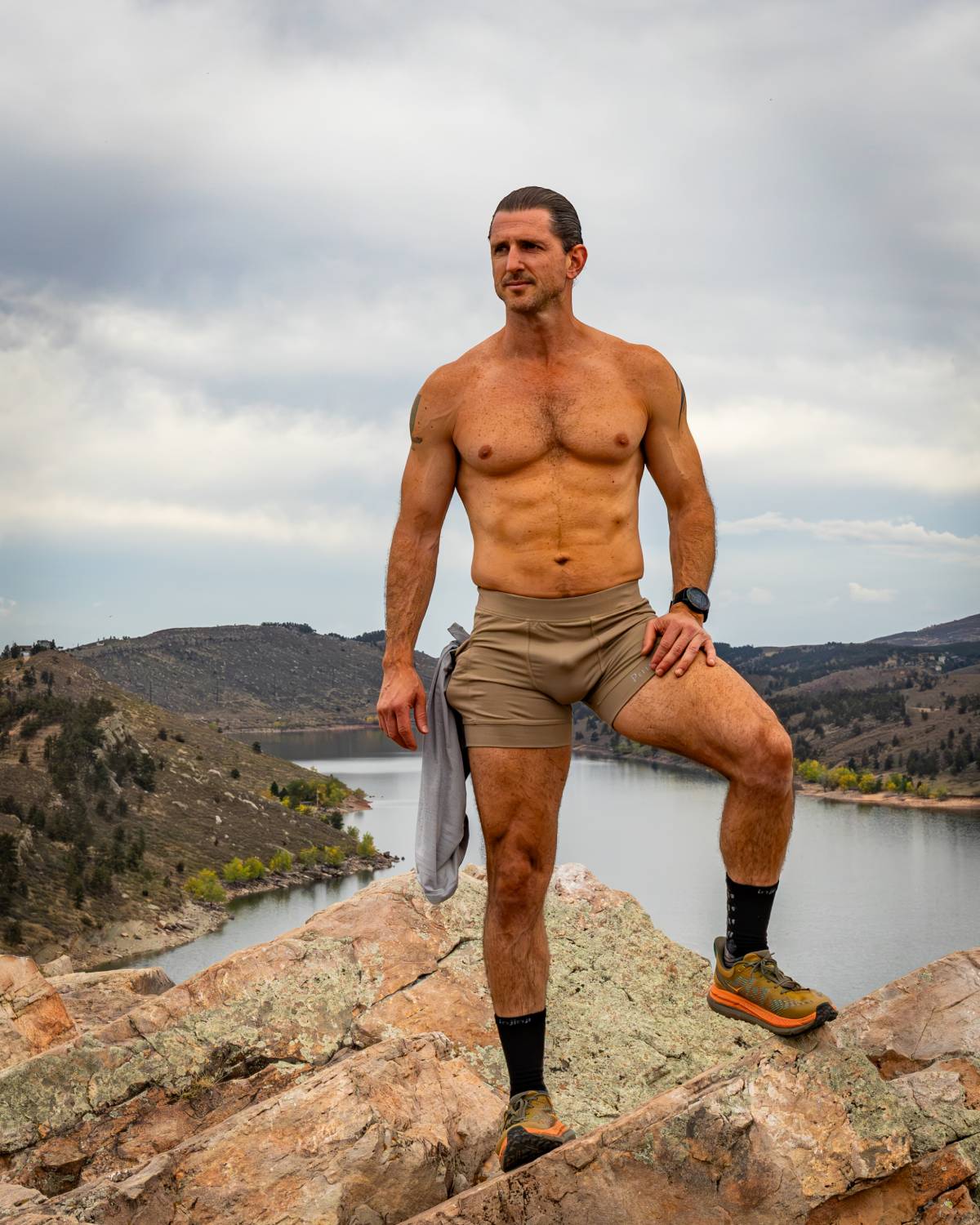
In most gay spaces I’ve encountered, my attraction to men is understood, but my interests and values feel disconnected from the group’s. I’m into trail running, playing guitar and making music, going to punk, hip hop, and metal concerts, and surfing. I’m not particularly interested in drag shows, musicals, Pride events, or bar/club culture. There’s nothing wrong with those things, and I know some gay/bi men share my interests, but it hasn’t always been easy finding them.
Elsewhere, my personality, values, hobbies, and interests made sense, but I wasn’t always sure how people would respond if they knew the full truth about my sexuality.
So in real life, I’ve often found myself moving between rooms, never entirely certain that my whole self belongs in either one.
But I knew I couldn’t be the only guy who felt this way. So rather than continuing to search for a space where my true self belonged, I decided to create one.
That’s why I created the Middle Men Community, where guys who don’t fit neatly into society’s straight or gay boxes can connect, support one another, and be themselves without judgement (anonymously, using an alias, for those who require discretion). And it has really taken off: more than 350 members in the first three months.
I think the biggest lesson I’ve learned is that you don’t have to have everything figured out or fit neatly into a category to deserve connection and belonging. And despite feeling lonely at times, it turns out we’re not so alone after all: 25,000 cross-platform subscribers/followers in three months.
Dating Outside the Familiar
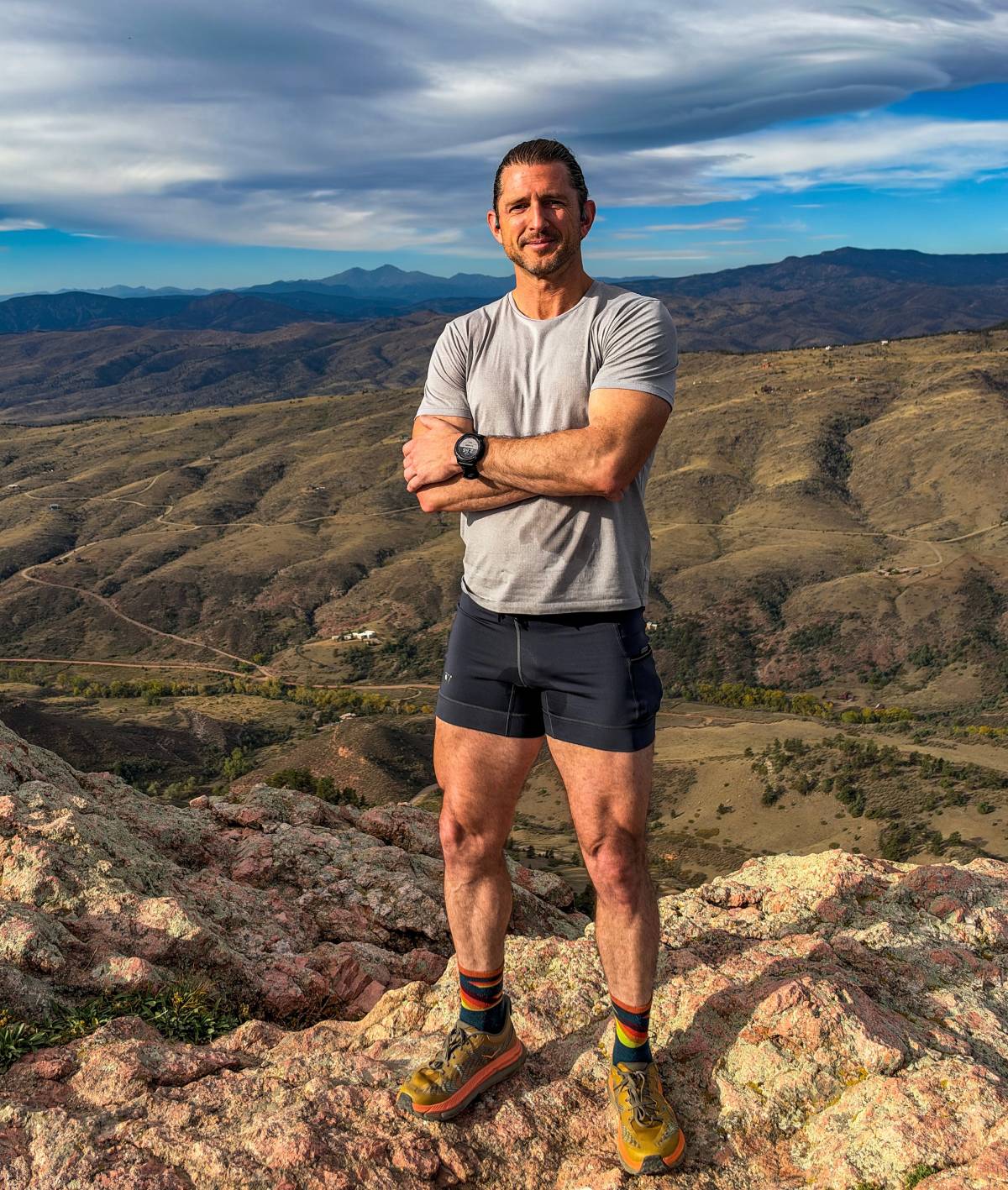
After more than 15 years of dating men, returning to dating women must have felt like entering a completely different world. What surprised you most about dating again, and what did it reveal about what you actually want from a relationship?
Brendan: Returning to dating women after 15 years was exciting at first; the decision was sparked by a pretty hot encounter I had with a straight married couple. But the dating experience itself was more uneventful.
On dating apps, I listed my profile as “bisexual,” which attracted little interest from women but substantial interest from men. I value living authentically, so concealing my attraction to men in order to appeal more to women wasn’t something I was willing to do.
After three years of being bi, I’ve learned that my sexuality is more appealing to men than women in terms of a committed relationship, though I have received some hookup interest from straight couples. I’ve generally had more luck dating men, and I’ve been in a relationship with a great guy for the past year who also happens to be bi.
The biggest takeaway has been that being open about my sexuality narrowed my dating pool, but I’d rather be accepted for who I am than attract someone by presenting a false version of myself.
One Rule to Break
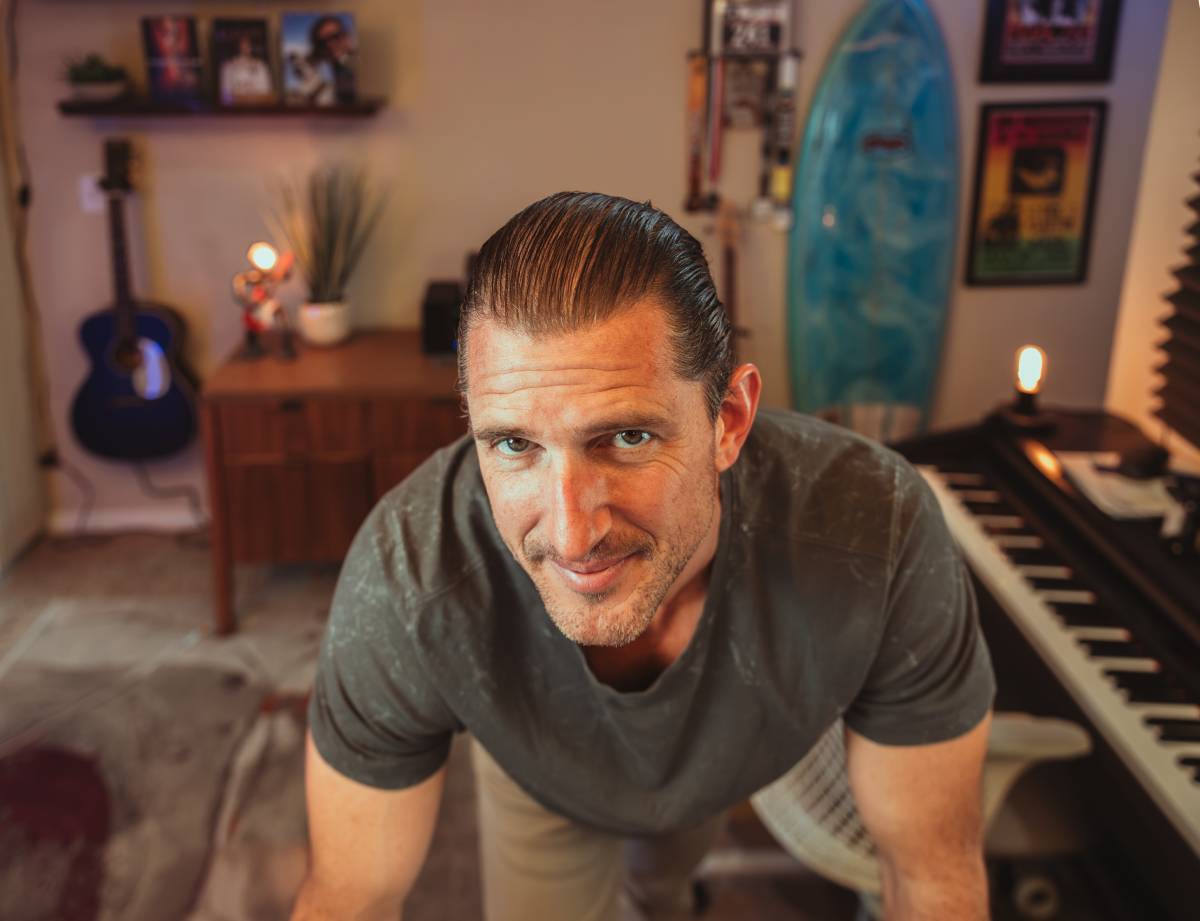
What is one “rule” about sex, relationships, or masculinity that you think people should feel more comfortable breaking?
Brendan: The idea that you have to choose between being “straight” or “gay” and then live according to the rules and expectations that accompany the label.
I remember during the fifteen years I was living as an out gay man, I’d occasionally see women I thought were hot. But part of me would say, “She’s hot, but you’re gay, so she’s off limits.”
Now that I think about it, I adopted a label to categorize my sexuality, but eventually, that label, and the expectations that came with it, were influencing how I allowed myself to experience it.
Labels certainly have their advantages. They help us understand ourselves; communicate with, and relate to, others; and find community and belonging. Life is easier fitting neatly into a label. But labels can become limiting when we start treating them as rules rather than descriptions.
It’s a bit like putting a plant in a small pot. The pot might fit perfectly at first, but eventually, it will limit the plant’s growth.
It might sound counterintuitive, but allowing myself that room has given my sexuality the ability to grow and evolve as the rest of me did.
You don’t have to abandon a label that fits; just don’t feel trapped by one that doesn’t.
The Cost of Keeping Things Quiet
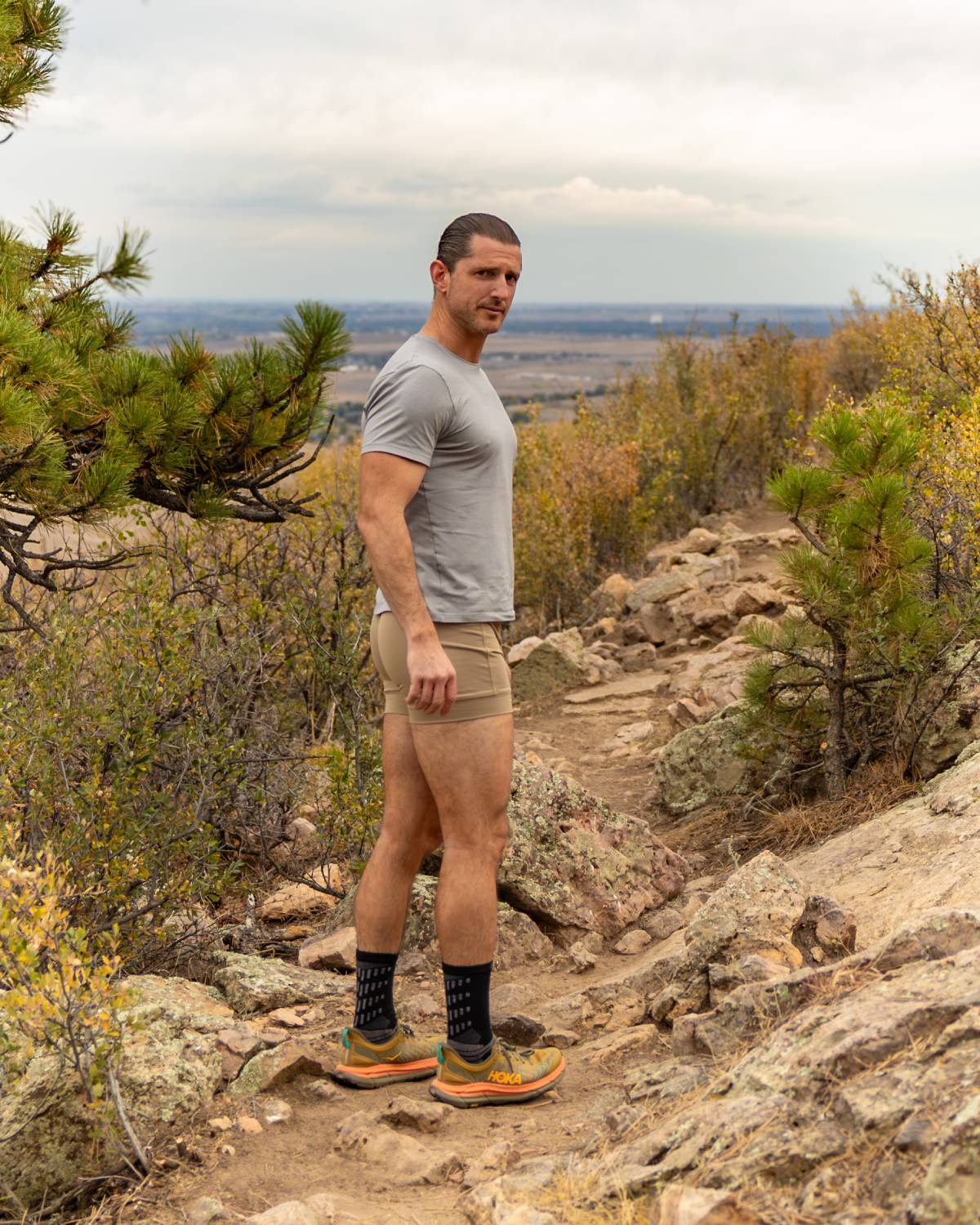
Being around people who assumed you were straight meant sometimes hearing comments they probably wouldn’t have made if they knew you were bisexual. What does that kind of silence do to a person over time?
Brendan: It made me anxious, hesitant in social situations, and increasingly doubtful that I’d ever be fully accepted for who I was.
I found myself becoming more comfortable in solitude, where I didn’t have to worry about hearing those comments or deciding whether to challenge them and potentially reveal something personal that could risk exclusion.
That’s a different type of loneliness, not from lack of friends, family, & loved ones, but from being surrounded by people while feeling like none of them know the real you.
Eventually, that frustration is what prompted me to do something about it.
I remember thinking, “Fuck it. I know I’m not the only guy who feels this way. And I bet a lot of the other guys aren’t saying anything for exactly the same reasons I’m not. So I’m just going to put myself out there on the Internet, put my faith in the algorithm, and hope my content finds the other guys who feel like I do.”
And it worked.
What started as a personal effort to find friends to run, ski, surf, go to concerts, and play music with has grown into a community of men who, in many cases, have spent years feeling like they were the only ones
Your Own Definition
After everything you’ve experienced, what does a truly authentic, fulfilling life look like to Brendan O’Hara, and what do you hope Middle Men helps other people discover for themselves?
Brendan: Since launching the Middle Men Podcast and Community this past July, I’ve been living more authentically and feeling more fulfilled than ever.
In the community, I connect with guys who understand what it’s like to not fit neatly into a straight or gay category and the challenges that can manifest as a result. I’m grateful to have a community of like-minded people where I don’t have to edit parts of myself in order to belong.
On the podcast, I get to have meaningful conversations with guys whose experiences often mirror my own, including bisexual, fluid, curious, straight, unlabeled, and asexual men, as well as gay men who don’t necessarily feel at-home in traditional gay social environments. The feedback I’ve received has been incredibly supportive and validating.
I’ve also found guys who share my passions for trail running, strength training, skiing, surfing, music, and self-improvement. People who value physical and mental health, personal growth, and making a conscious effort to live with purpose and meaning.
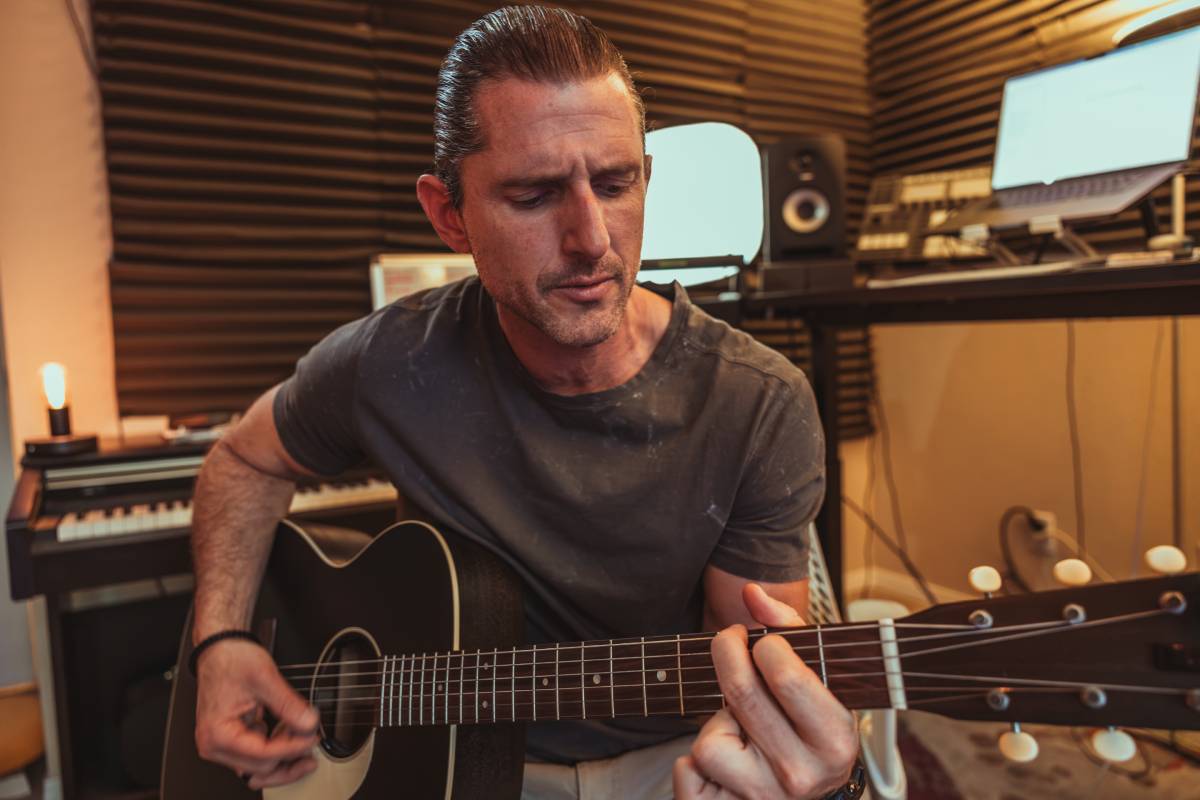
Essentially, I’m finally connecting with the kinds of people I’ve been looking for all along. Guys, I can go for a run with, catch a punk or metal show with, or have a meaningful conversation with about sexuality, relationships, or life, without any of us feeling like we have to pretend to be someone we’re not.
And I think that’s what most people want: authentic connection, acceptance, friendship, community, and a sense of belonging. It just tends to come more easily when you fit the expectations of the people and social environments around you.
My hope is that Middle Men helps guys who have spent years feeling too straight to be gay and too gay to be straight discover that there are countless other men out there like them. And that finding one another helps alleviate some of the shame, confusion, and loneliness that can come from living life in the middle.
Because ultimately, life is far more enjoyable when you can be yourself, pursue the things you love, and surround yourself with people who accept and support you for exactly who you are.
Nobody should have to choose between being themselves and feeling like they belong.
[BRENDAN’S PROPOSED PULL QUOTES]
“As someone who’s bi, I rarely find all parts of myself reflected in the same room.”
“So rather than continuing to search for a space where I belonged, I decided to create one.”
Editor Note
Sometimes, it means unlearning who you thought you had to be to feel accepted. We often speak about labels as tools of self-understanding, yet rarely acknowledge how easily they can become boundaries. And when belonging comes at the cost of editing parts of ourselves, even the most familiar spaces can feel lonely.
It is about giving ourselves permission to evolve without seeking approval. There is something quietly radical about creating the space you once struggled to find. After all, intimacy, connection, and belonging begin when we no longer feel the need to leave parts of ourselves at the door.
“Nobody should have to choose between being themselves and feeling like they belong.”
