
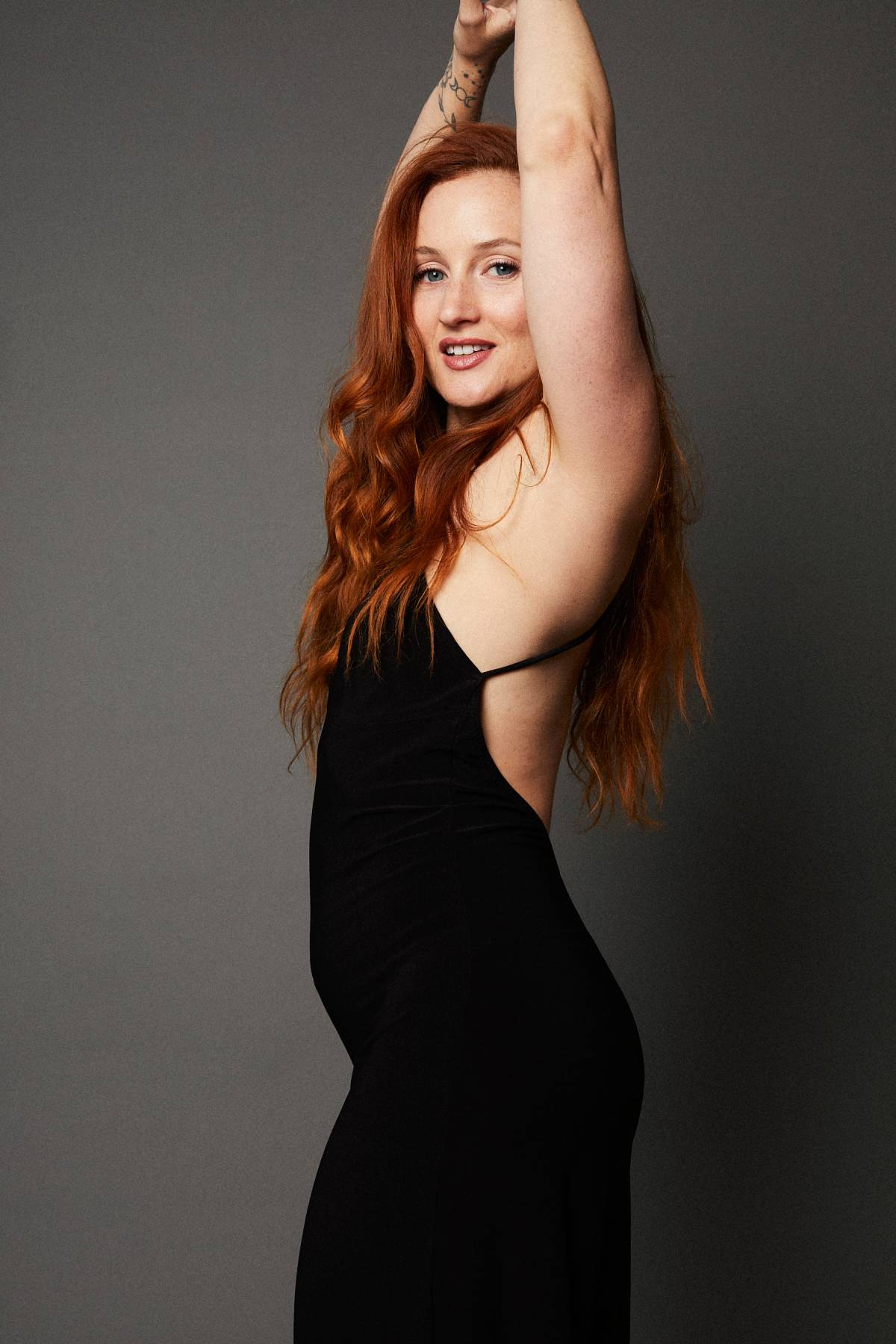
Growing up between the American South and Brazil gave Alexandra Roxo a fascinating perspective on the ways culture, religion, and family shape our understanding of sexuality. In one world, desire was something to be questioned by religion and concealed; in the other, sensuality was woven into everyday life. Today, that contrast informs her work and her belief that pleasure, spirituality, and personal identity need not exist in separate worlds.
Her approach challenges the expectations we inherit about love, intimacy, and what it means to be a sexual woman.
Rather than offering people another set of rules to follow, Alexandra encourages them to question the ones they already live by. Her philosophy centers on self-discovery: understanding which beliefs genuinely belong to us and which have been absorbed from family, religion, or society. It is a process that requires curiosity, vulnerability, and a willingness to step beyond familiar ideas of what relationships should look like.
Motherhood, too, brings another important dimension to her perspective. She speaks openly about how easily women’s sexuality can become overlooked after having children and why reconnecting with sensuality deserves the same care and attention as other aspects of identity. For Alexandra, staying connected to desire is not simply about sex; it is about feeling present, expressive, and alive.
In this conversation, we explore the complicated relationship between desire and conditioning, the freedom to define intimacy on your own terms, and the courage to have honest conversations with the people we love. Alexandra Roxo also offers a refreshing reminder that discovering who we are as lovers and partners is a lifelong process, one that begins when we stop asking what is acceptable and start asking what feels true.
Website
Unlearning the Rules of Desire
Growing up between Brazil and the American South exposed you to very different attitudes towards sexuality and spirituality. How did these experiences shape your understanding of desire, and what beliefs have you had to unlearn?
Alexandra: Growing up in Georgia, in the Bible Belt, and spending time in Brazil was like living between two completely different worlds when it came to sexuality.
In Georgia, there was this deep, deep repression of sexuality, especially in the Christian culture I was surrounded by. I remember sitting in a church youth group and being told by a teacher that masturbation was a sin and that you would go to hell for it.
Meanwhile, in Brazil, we were dancing samba in string bikinis!
One of the things I loved about Brazil was that when you were a preteen, your friends’ parents would drop you off at these little preteen clubs at like 10 p.m., and you’d dance and make out with boys. There was this expression in Portuguese, “ficar,” which literally means “to stay,” but really meant you were just making out with someone. It never really went further than that. And then you’d go home, and your mom and aunties would be like, “Who did you make out with?”
My aunties would even ask me things like, “How are your breasts growing?” Which in the American South would have been absolutely appalling!
I remember another time visiting Brazil when I was dating a singer who looked like he’d stepped out of a ’90s Lands’ End catalog, and my cousins made fun of me and called me a nun. It was hilarious.
Brazil was also a Catholic culture, but it wasn’t the same kind of puritanical Christian culture I experienced in Georgia. There was this completely different relationship to the body, to sensuality, to pleasure, to being a woman.
So I grew up with these wildly contrasting messages. In one place, sexuality was something shameful, something that could send you to hell. In the other, it was woven into everyday life, into dancing, family conversations, and the culture itself.
I think one of the biggest things I’ve had to unlearn is the idea that desire is inherently sinful or dangerous. That being a sexual woman somehow makes you less spiritual, less worthy, or less good. I’ve spent so much of my life dismantling that idea and discovering that my sexuality and my spirituality aren’t separate at all.
Redefining Relationships
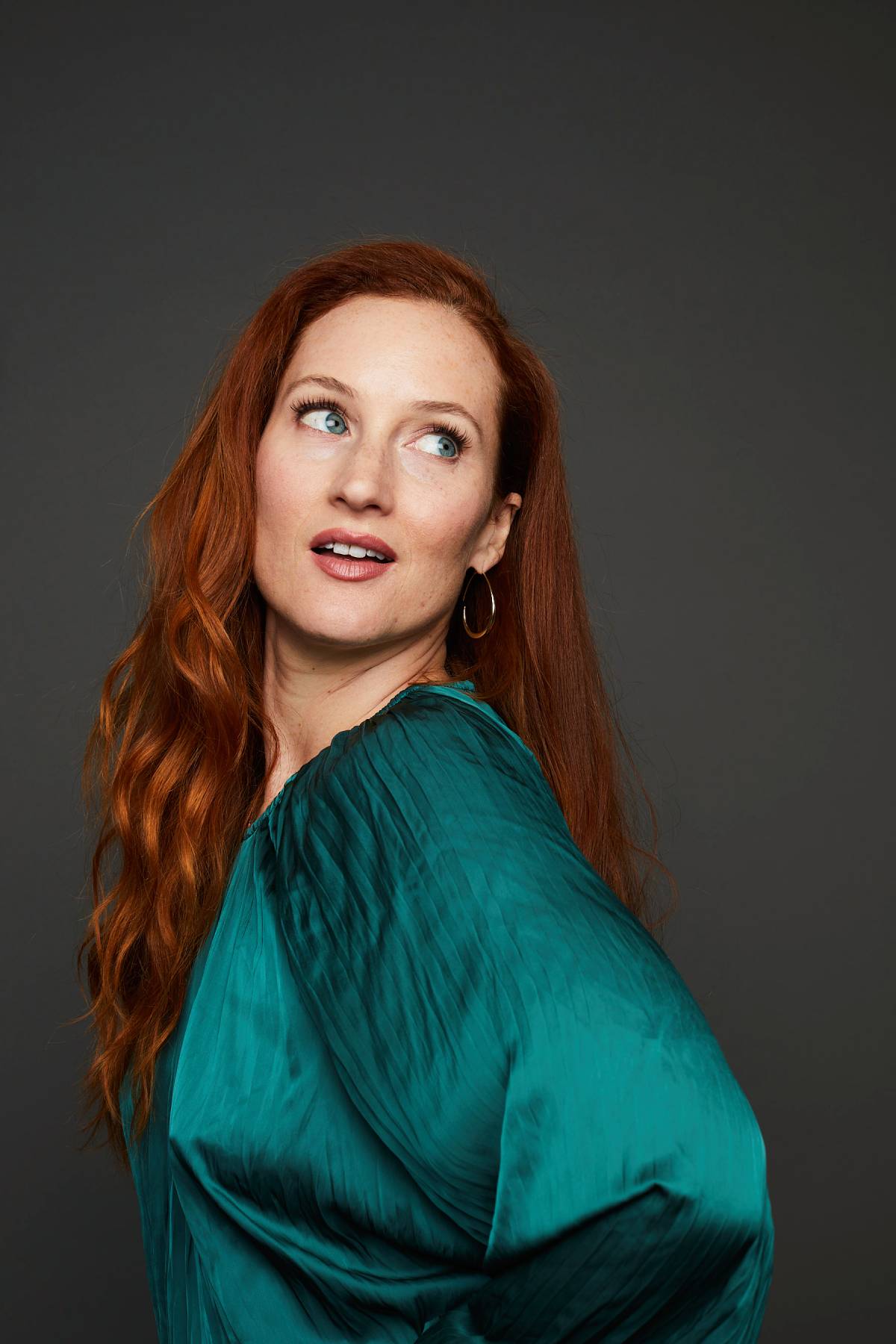
Society often tells us what successful relationships should look like. Through your work, how do you help people recognise the difference between the love they genuinely want and the relationship expectations they have inherited?
Alexandra: Well, I help people unlearn everything
I help them really start to sort through what is societal conditioning, what is religious conditioning, what is cultural conditioning at large, and what is actually YOU?
What is your pure, unique soul imprint? How do you want to love? How do you want to be loved? What kind of relationship actually feels good to you?
You really have to get underneath all of those layers of imprints and expectations to find out.
And that can take a lot of self-investigation, a lot of realization, and honestly, a whole journey of discovery where you try new things.
Do I like this? Do I like that? Does this feel good? Does this actually work for me?
And sometimes that means getting a little hurt, getting a little vulnerable, and taking risks. Because the only way we really get to know ourselves is by living. By taking risks, opening our hearts, trying things, and noticing what happens.
Not just following some inherited blueprint of what love is supposed to look like, but discovering what love actually feels like for you.
Motherhood and Sexual Identity
Motherhood can change how women experience their bodies, sensuality, and identity. How have you navigated your own relationship with sexuality as a mother, and what would you say to women who struggle to reconnect with this part of themselves?
Alexandra: One of the things I’ve noticed since becoming a mother is how quickly our culture tends to erase mothers’ sexuality.
People say things like, “Oh, it’s normal that you don’t have sex with your partner for a while after having a kid.” And of course, there are seasons when sex changes, when your body needs rest, when you’re exhausted, and when everything is different.
But I think at some point you have to ask yourself, is this actually the life I want to lead? And if it’s not, you have to take a stand for the life you DO want.
For women who are struggling to reconnect with their sexuality after motherhood, I would say that it takes energy, it takes focus, and it takes devotion. Because what’s at stake is your aliveness. Your creative life force energy.
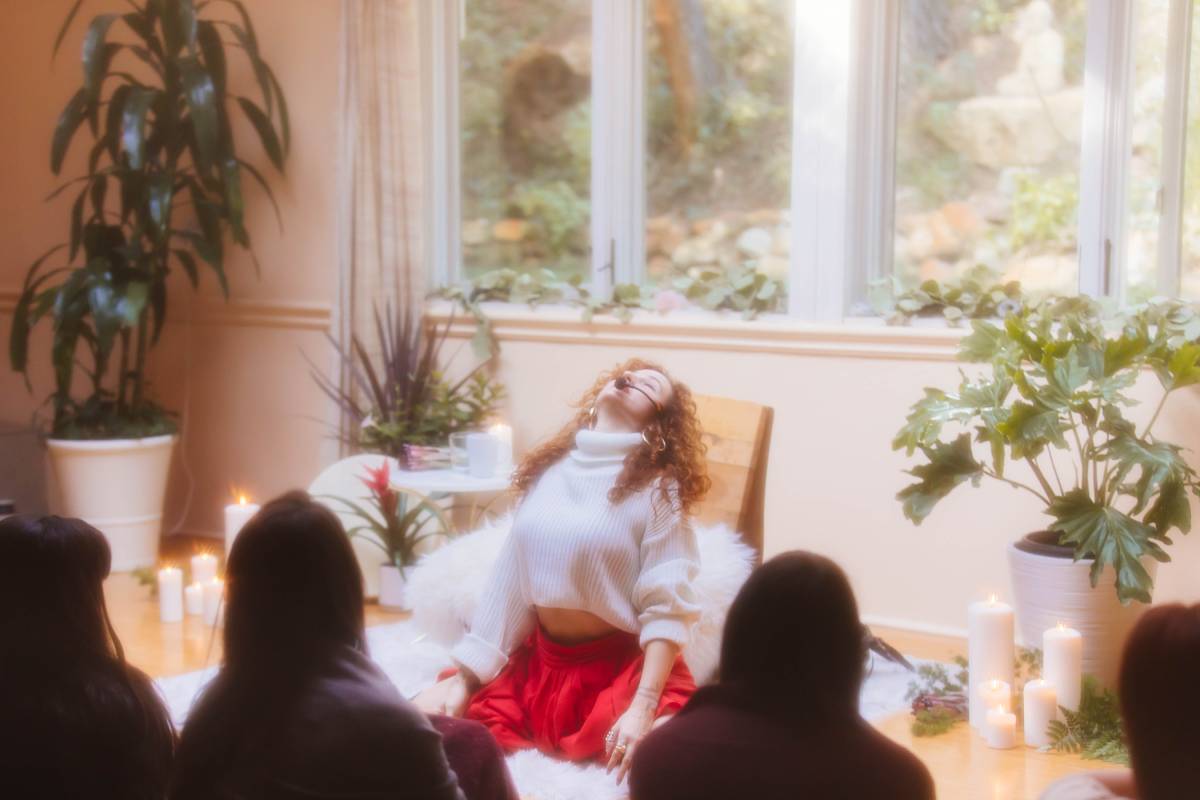
And if you don’t tend to that part of yourself, it can begin to shrink. You can begin to shrink as a woman.
You might start feeling shut down, less radiant, less connected to your body, and less alive. And slowly over time you’re wondering, why do I feel depressed? Why do I feel anxious? Why am I not having orgasms? Why am I not circulating my energy? Why does my pussy feel shut down?
It happens to the best of us! And that’s what I’m here for. To help women get that part of themselves back online.
Because becoming a mother doesn’t mean you stop being a sexual, sensual, radiant woman. That part of you deserves attention, care, and devotion too.

Permission to Be a Little Wild
If people stopped worrying about being judged as too sexual, too unconventional, or too demanding, what do you think would change most about their intimate lives?
Alexandra: I think people would be free to try things, to explore, to fail! Sometimes we try things that are really awkward and silly, but we don’t know unless we try. And even if something we try sexually in the bedroom is awkward and silly the first time, the second time it might not be. We can have a good laugh with the people we love, with our lovers, and keep exploring.
And also, who are the judges of what’s “too sexual” or “too unconventional” or “too demanding”? Where’s that coming from? Is it coming from normative culture? Because if you look at divorce rates and sexual abuse, I wouldn’t exactly hold up the status quo as our great model of sexual health.
We don’t really have a shared public barometer for what’s healthy when it comes to sexuality. We have to create our own intimate barometer of what’s healthy for us. That comes from having a good relationship with yourself, listening to your body, and perhaps having a good therapist, coach, or mentor you trust as an outside sounding board.
But what I think would change most? We’d have way more fun, way more orgasms, way more pleasure. We’d feel so much more alive in our bodies. And it’s such an amazing journey.

Talking Honestly About Sex
Conversations about sexual needs and fantasies can feel uncomfortable, even in long-term relationships. How can couples communicate their desires more openly without fear of judgment or rejection?
Alexandra: Well, first of all, I don’t think the goal is to never fear judgment or rejection. I think the goal is to build resilience. If you feel that fear, can you feel it, recenter yourself, and move forward anyway?
Because if you’re waiting until you aren’t afraid to have the hard conversation, you might never have it. And the hard conversations are so important.
Sexual energy can stagnate between two people when they’re not being honest. Sometimes people notice changes in arousal, erections, or lubrication, and there can be lots of reasons for that, of course.
But one thing worth looking at is whether there are things that aren’t being said. Are we opening up? Are we letting things flow between us?
So what would you prefer? To risk feeling a little judged or rejected, or to live with your sexuality shut down with your partner?
Even if it’s really uncomfortable to talk about your sexual needs, desires, or fantasies, that conversation can be what gets the juice flowing again. Even if it looks like crying. Even if it’s messy. That’s energy moving, versus not having the conversation at all, where there’s stagnation and mediocrity.
You risk getting a little hurt, a few bumps and bruises, but it can be for the greater good of intimacy and the relationship. And often it’s liberating for both people when someone takes that risk. So be the person who’s willing to take the risk.
The Courage to Live Authentically
If there is one message you hope readers carry with them after this conversation, what would you want it to be about desire, love, and the courage to live authentically?
Alexandra: I think it’s really important that we all examine where we’re just living out of programming. What did we see our parents do? What did we learn was normal? And instead, can we start asking, what’s actually true for me?
What’s true for me about sex, about love, about how I want to engage in the world? And then let yourself go on a journey of self-discovery. Who am I erotically? What do I like? Give yourself space to explore and to learn.
Because we were never really trained in how to be good lovers or good partners! In school we learn geometry and history, but we didn’t learn about love and relationships and sex.
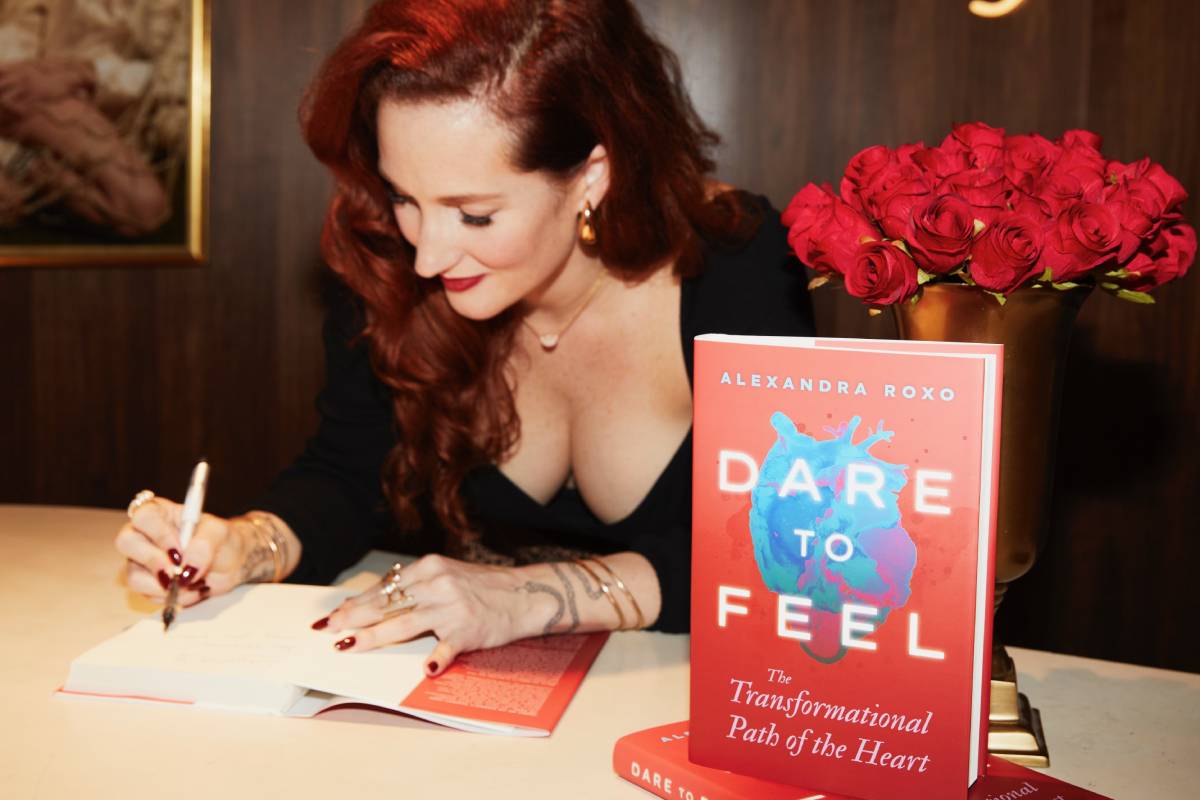
So it’s up to us to do that learning ourselves. Take the workshop. Read the book. Dive in. Get curious about who you are and what you want, so you can become a better lover and partner, and live a life that’s actually yours.
Editor Note
We inherit ideas about what makes a woman desirable, what makes a relationship successful, and even how much of our sensuality we are allowed to express. Somewhere along the way, we can become so accustomed to those expectations that we mistake them for our own truth.
Reminds us that rediscovering ourselves is not about becoming someone new but reconnecting with the parts of ourselves we may have silenced. And perhaps that is where real intimacy begins: in the courage to be honest with ourselves before asking anyone else to understand us.
“Because the most beautiful freedom is not being accepted for who we pretend to be, but feeling free to be who we truly are.”
