
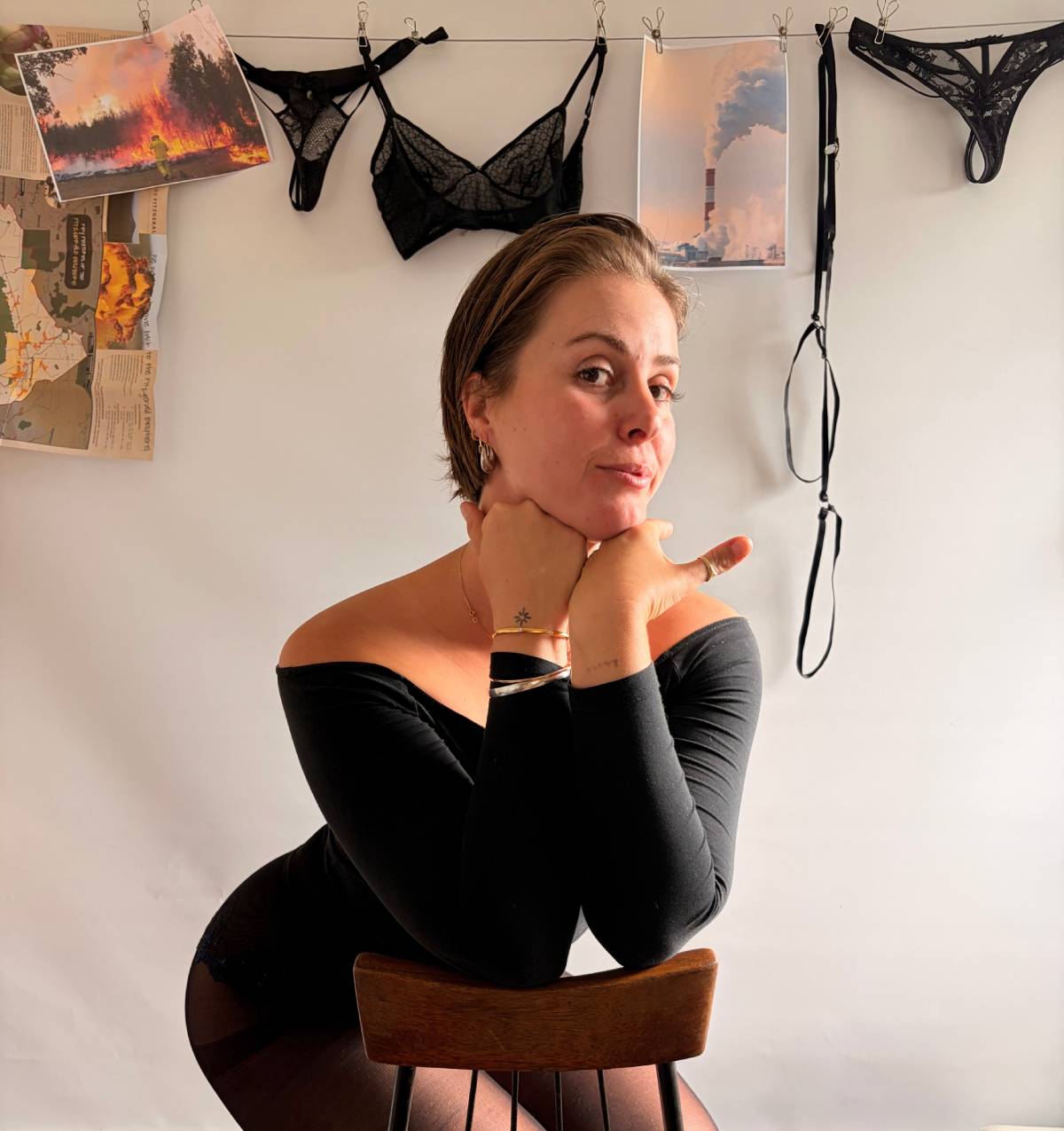
Matilda West’s story begins with a question many people spend years avoiding: what happens when the life you have built no longer feels like your own? In late 2024, she left a successful corporate career in sustainability to travel across Australia’s remote outback. What followed was a journey of self-discovery that challenged her understanding of success, freedom, and fulfillment.
An aspiring Australian writer with a science degree and experience as both an escort and a madam, West brings an unconventional perspective to conversations about sexuality, nature, and self-acceptance. Her time on the road inspired a book exploring trauma, regret, climate concerns, and the complicated relationship between shame and personal freedom. What began as a therapeutic writing exercise became a way to make sense of her experiences and help others feel less alone.
At the heart of her work is a refusal to let social expectations define who deserves respect, pleasure, or belonging. She challenges the stigma surrounding sex work and sexual history while connecting these conversations to a wider concern for the natural world.
In this conversation, West reflects on sexual autonomy, intimacy, and the courage to leave behind a life that no longer fits. Her perspective invites us to question whose approval we seek, which judgements we have internalised, and what it might mean to embrace every part of ourselves without apology.
Website
Leaving the ‘Right’ Life Behind
You left behind a successful corporate career to pursue a life that felt more aligned with who you really are. What did that transition teach you about the difference between appearing successful and actually feeling fulfilled?
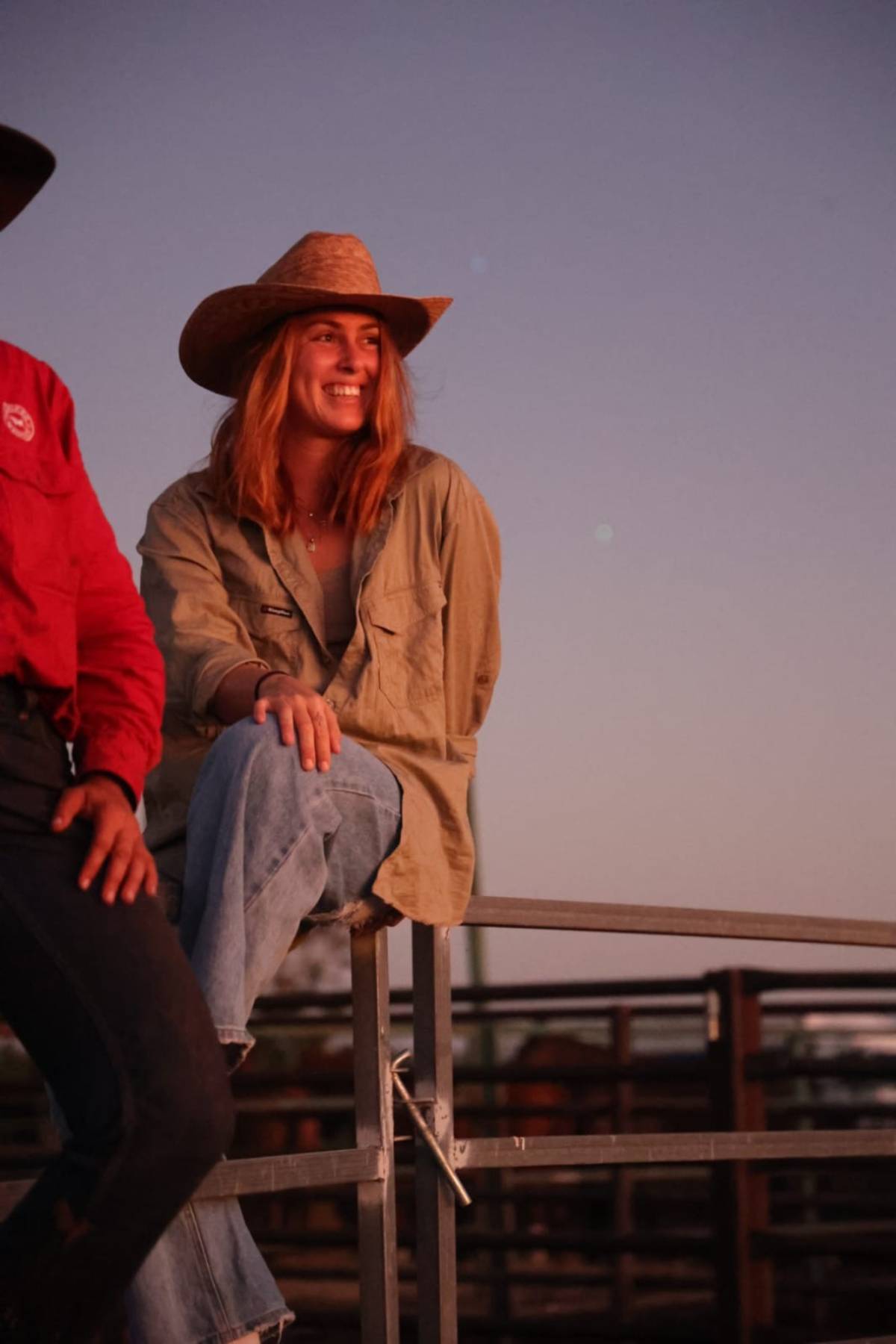
Matilda: When I realised I’d been working toward someone else’s idea of success, I couldn’t unsee it. And while I wasn’t exactly sure what my own version looked like, I knew that an existence built on the accumulation of material wealth and status just wasn’t it. Walking away from everything I’d built wasn’t easy or without reservation, but a year on the road travelling Australia’s most remote outback regions forced me to dig deep and decide for myself what a life well lived actually means.
And it sounds simple, really, but ultimately, I realised that living a life you actually love right now and not just once you retire is the most rebellious and powerful thing we as individuals can do. Especially now, and within reason, of course (after all, we are part of systems beyond our control), but what if instead of measuring success by how wealthy someone is, what they own, and where they live, we measure it by how brave they are and how they impact the world around them? How safe and accepted they make people feel? How much do they nurture others, nature, and themselves?
Be you, be brave, and be kind. That’s what really matters. Everything else is just made up.
What Lies Beyond Desire
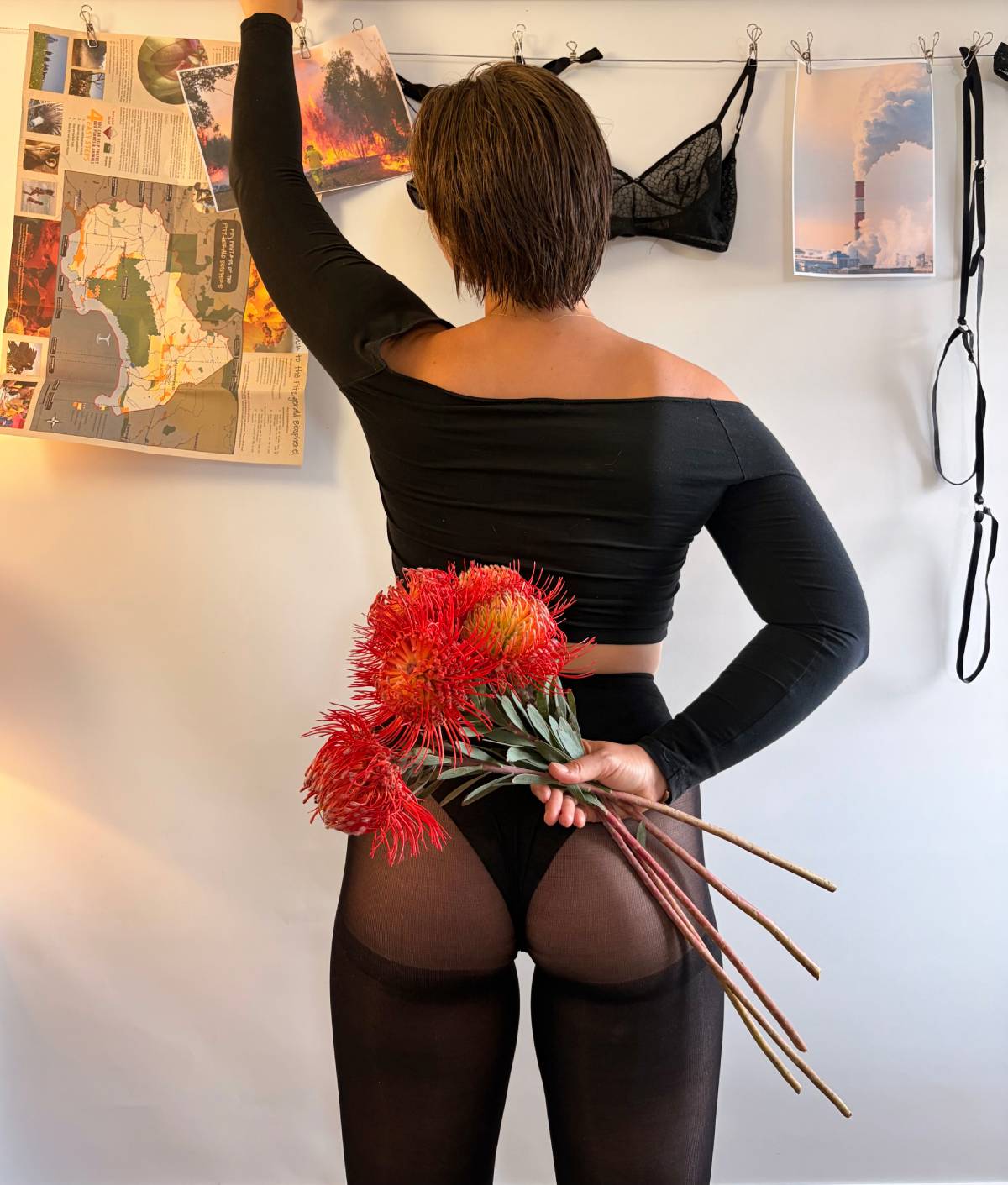
Having experienced the world of sex work from both sides as an escort and a madam, what have those experiences taught you about intimacy, desire, and the difference between sex and genuine connection?
Matilda: Good question. For context, I started my own agency in direct response to what I witnessed and experienced as an escort myself. My goal was simple: create a safer, more supportive, and more empowering environment for working girls. And look, it didn’t quite pan out, but that’s a story for another day. As for what it taught me, well, it showed me that connection and intimacy are profound human needs.
And while there are so many layers to sex work and I can only speak to my own experience in the industry, more often than not, it is so much more than just sex and money. Sex as a service is an opportunity for play and pleasure, yes (which I think we all need more of, by the way), but it’s also a safe place for people to experiment, feel more accepted, connected, and even less alone.
As for there being a difference between sex and genuine connection, this feels highly subjective and completely dependent on those having involved themselves and under what conditions. I believe sex can be deeply intimate, while connection can also prompt sexual desire. So really, as long as everyone involved is consenting and treated with respect, there’s no need to define or pathologise it.

Sex, Choice & Self-Respect
Sexual freedom is something you care deeply about, but freedom can mean very different things to different people. What does sexual freedom actually look like to you when it is grounded in self-respect, consent, and personal choice?
Matilda: As someone who has worked (or is still even working) through a great deal of internalised sexual shame, I’d say that when grounded in self-respect, consent, and personal choice, sexual freedom is at its core: autonomy. I.e., total personal agency over our bodies, sexual desires, and how we choose to express them, without fear of coercion, violence, punishment, or judgement, whether that be from society or those close to us.
And for anyone who maybe doesn’t understand this, know that it is actually okay not to understand or subscribe to what everyone does or desires, but as long as they’re not hurting themselves or others, judging someone will always say more about you than them.

Does Body Count Define You?
What’s your take on the idea that “body count” says something about a person’s character?
Matilda: Oh hell no. This is a hill I will die on and something I’ve actually written/talked a lot about recently. Because, fuck that. The idea of body counts and slut-shaming in general is nothing more than a deeply disturbing gender double standard. And actually, did you know that it can be traced back to a Victorian-era study done on fucking fruit flies?
Excuse the profanities, but it makes my blood boil that a study completed in 1948 showing how male fruit flies increase reproductive success through sleeping around is what has essentially shaped our social attitudes towards human reproductive behavior between the sexes. Birthing the arbitrary trope that men are naturally wired to “sow their seed,” while women are naturally wired to remain monogamous and chaste, the notion is not unlike how we know male-centric medicine has dismally failed to study female anatomy.
In short, inferring someone’s “body count,” especially for a woman, says something about their character is just naïve and oppressive.

You Are Still Worthy
For someone carrying sexual shame because of their past, their desires, their body, or choices they have made, what would you want them to hear before they decide that something about them makes them “less worthy” of love or intimacy?
Matilda: Hmm, this one hits hard for me as something I’m not sure I’ll ever be completely free from. But I would want them to hear that shame is an emotion created by others to keep you small. And that when you recognise the shame you might be carrying isn’t actually yours, you can choose to let it go. It may not be easy or linear (trust me, I know), but it is profoundly important that you do.
Also, before deciding if you are “less worthy” of love or intimacy, first decide if the kind of love or intimacy that requires you to feel shame is something you really want or deserve. I suspect not.
A Question for the Life You’re Choosing
If you could leave readers with one question to ask themselves about the life, relationships, and desires they’re choosing, what would that question be?
Matilda: Okay, this is a three-pronged question that points in one direction: Who do you want to be, and how do you want to stand in the world?
And what does a life well-lived really mean to you?

Editor Note
What I find most interesting about Matilda’s story is that she didn’t have all the answers when she decided to walk away from the life she had built. She simply knew something wasn’t right anymore, and I think many of us can relate to that feeling. Sometimes, we get so caught up in doing what is expected of us that we forget to ask ourselves whether we’re actually happy.
I also think her perspective on sexual shame is something worth sitting with. We all have our own ideas about what is acceptable, but somewhere along the way, those ideas can become rules we use to judge ourselves and others. And for what? Nobody should have to hide parts of their past or feel less deserving of love because their choices don’t fit someone else’s expectations.
“You don’t owe the world a version of yourself that it finds acceptable at the expense of the person you truly are.”
