
Intimacy is rarely about one perfect product, one grand romantic gesture, or following a prescribed idea of what a relationship should look like. Sometimes, connection comes from trying something new together. Sometimes it is about making physical intimacy more comfortable. And sometimes, it is simply about giving two people permission to be curious again.
Today’s intimacy brands are increasingly moving beyond the idea of sex toys as novelty purchases. The best are creating thoughtfully designed products that encourage communication, exploration, body awareness, and shared pleasure, whether you are navigating a long-distance relationship, rediscovering intimacy after years together, or simply looking for a more playful way to connect.
From app-controlled technology and body-adaptive designs to products created specifically around comfort and sexual wellness, these are some of the couples’ intimacy brands worth knowing.
Lovense — For Long-Distance Connection
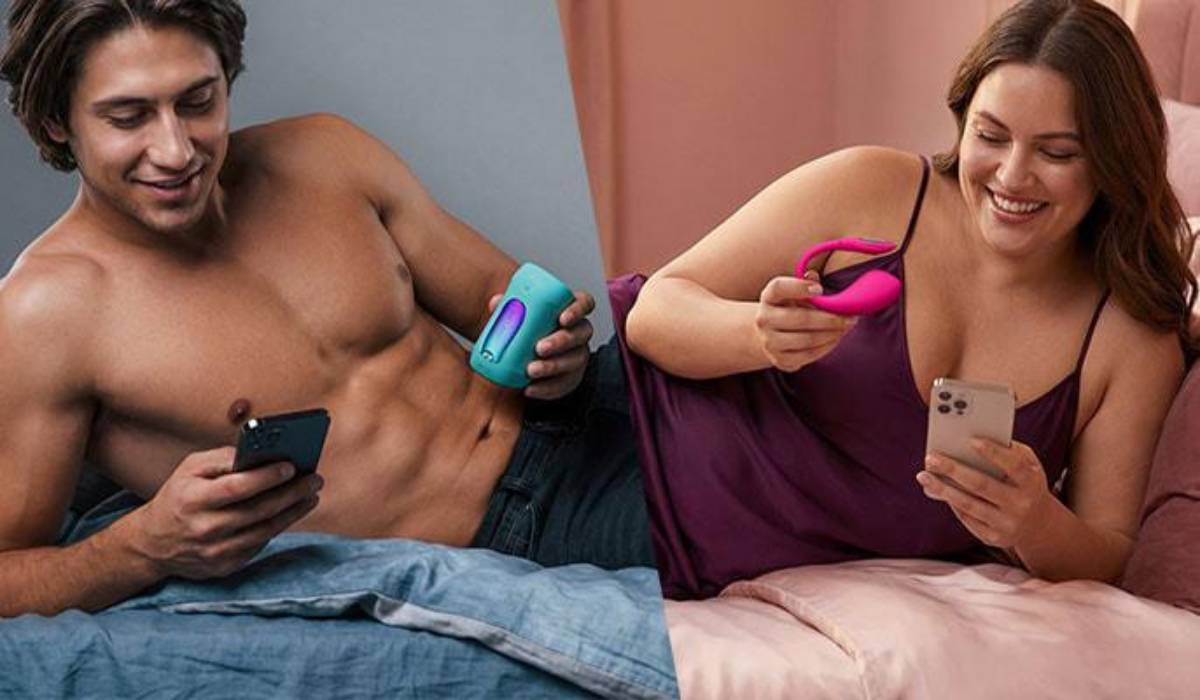
Few things challenge intimacy quite like physical distance. Lovense has built its identity around technology that helps couples stay connected even when they are in different places, with app-controlled devices designed for real-time interaction.
Its couples’ collection includes connected and remote-controlled products, while the Lovense Remote app allows partners to control compatible devices and synchronize experiences across distance.
That makes Lovense particularly interesting for couples who spend periods apart. Instead of treating distance as an interruption to intimacy, its technology turns it into an opportunity for playful communication.
Why we like it: Technology becomes a bridge rather than a distraction.
Best for: Long-distance couples, tech-loving partners, and anyone looking to bring more spontaneity into their relationship.
MysteryVibe — For Personalised Intimacy
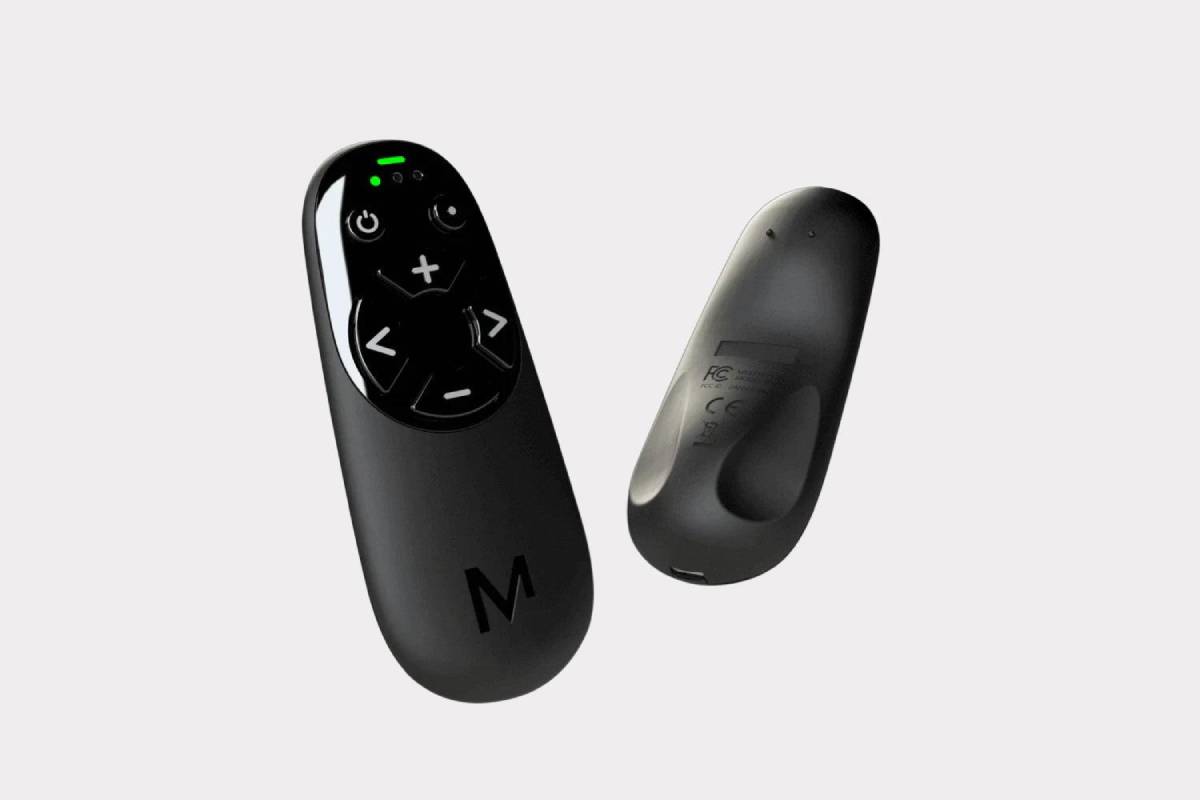
MysteryVibe takes a notably design-led and health-conscious approach to sexual wellness. Its products are built around adaptability, with the brand describing its devices as body-adaptive and developed through a combination of engineering and intimate-health research.
For couples, that focus on adaptability can make exploration feel more personal. Rather than assuming every body responds in the same way, MysteryVibe designs products that can be adjusted to different preferences and forms of stimulation.
The brand also places intimate wellness alongside pleasure, with products intended to support areas such as arousal, natural lubrication, and erectile function.
Why we like it: It approaches intimacy as something individual, adaptable, and worth understanding.
Best for: Couples interested in body-conscious design, intimate wellness, and personalised experiences.
Lovehoney — For Exploring Together

Sometimes the hardest part of introducing something new into a relationship is knowing where to begin. Lovehoney makes that process considerably less intimidating with one of the broadest selections of couples’ intimacy products, from couples’ vibrators and wearable devices to kits, accessories, and playful bedroom additions.
Its couples’ range is particularly useful for partners who want to explore without committing to one particular style of intimacy. There is room to start small, experiment, and gradually discover what works for both people.
And that is perhaps where Lovehoney works best: as an introduction to exploration rather than an instruction manual.
Why we like it: Variety makes experimentation feel accessible.
Best for: Couples who are curious beginners, partners trying something new, and anyone who wants plenty of choice.
OhNut — For Comfort and Confidence

Intimacy is difficult to enjoy when one partner is worried about discomfort. OhNut takes a different approach to couples’ wellness by focusing specifically on penetration depth and comfort.
Its wearable system uses stackable, compressible rings to help couples adjust penetration depth according to what feels comfortable for both partners. The concept was developed around the idea that couples should have more control over physical comfort rather than simply accepting discomfort as part of intimacy.
That makes OhNut particularly relevant to conversations around painful sex, pelvic health, and communication between partners. It also reinforces an important truth about intimacy: pleasure and comfort should never be treated as competing priorities.
Why we like it: It puts comfort, communication, and choice at the center of partnered intimacy.
Best for: Couples navigating sensitivity or discomfort, or simply looking for more control and confidence.
If pain during sex is persistent or unexplained, it is always worth speaking with a qualified healthcare professional.
Womanizer — For Discovering What Feels Good
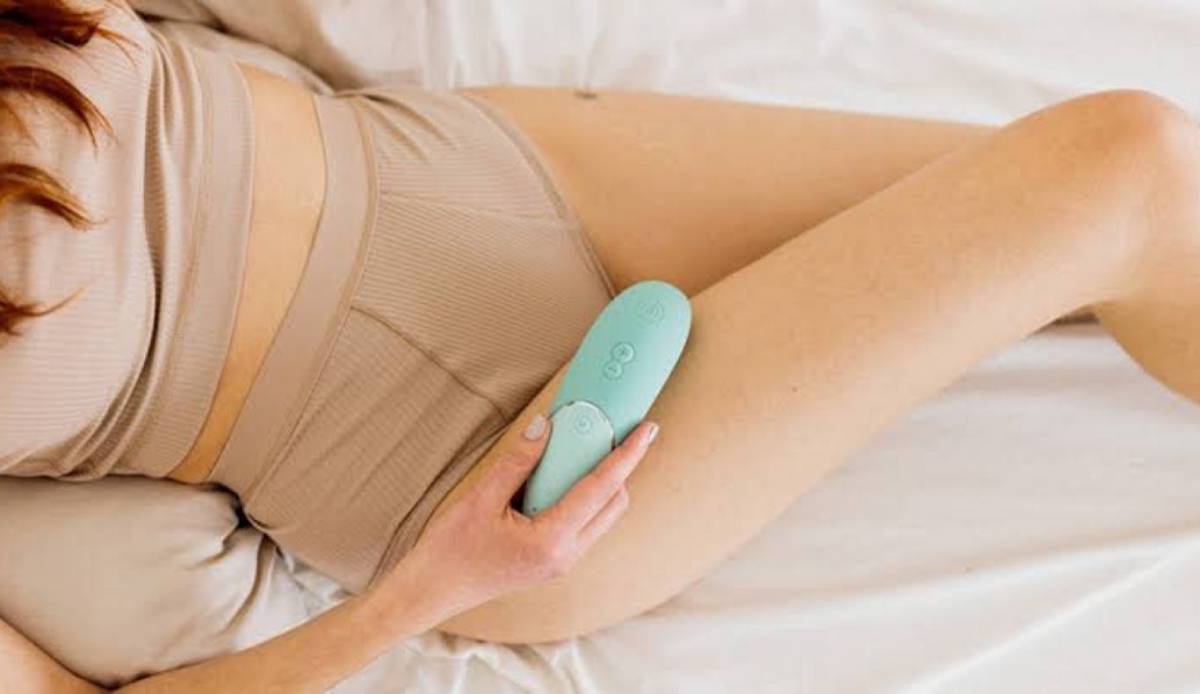
Womanizer has become closely associated with its Pleasure Air technology and a range of products designed around external stimulation. Its current collection includes everything from compact travel-friendly designs to dual stimulators and couples-oriented options.
For couples, the appeal isn’t necessarily about making intimacy more complicated. In fact, introducing a product designed around one partner’s pleasure can encourage a more open conversation about what actually feels good.
That conversation can be surprisingly intimate in itself. Learning how a partner likes to be touched, what intensity they prefer, or what helps them relax creates a form of communication that extends far beyond the bedroom.
Why we like it: It encourages couples to treat pleasure as something worth discussing openly.
Best for: Couples exploring external stimulation and partners who want to learn more about each other’s preferences.
Why Intimacy Brands Can Bring Couples Closer
The appeal of these brands ultimately goes beyond the products themselves.
A new intimacy product can create an excuse to talk. It can encourage partners to ask questions they might otherwise avoid: What do you like? What would you like to try? What doesn’t feel comfortable? What makes you feel connected to me?
Those conversations matter.
Healthy intimacy is built on mutual consent, communication, and the freedom to change your mind. A product should never replace emotional connection, and it certainly shouldn’t become another expectation to perform. Instead, it can simply offer couples another language for curiosity.
The most interesting intimacy brands understand this shift. They are not only selling stimulation; they are helping normalise conversations around bodies, pleasure, comfort, and desire.
And perhaps that is the real luxury of modern intimacy: having the freedom to discover what connection means for the two of you.
FAQs
- Can intimacy products improve a relationship?
They can encourage communication, curiosity, and shared exploration, but they are not a replacement for emotional connection. - Are couples’ intimacy products only for long-term relationships?
Not at all. They can suit new couples, long-term partners, married couples, and those exploring intimacy at their own pace. - How do couples choose the right intimacy brand?
Start with what you both feel comfortable exploring. Consider design, purpose, ease of use, and, most importantly, mutual interest. - Is it important to talk before trying something new?
Yes. An open conversation about boundaries, preferences, and consent can make exploring something new feel more comfortable and enjoyable. - Can intimacy products help couples who live apart?
Some connected products are specifically designed for long-distance couples, allowing partners to interact remotely. - What matters most when exploring intimacy together?
Mutual consent, comfort, communication, and curiosity. There is no single definition of a connected relationship.
