
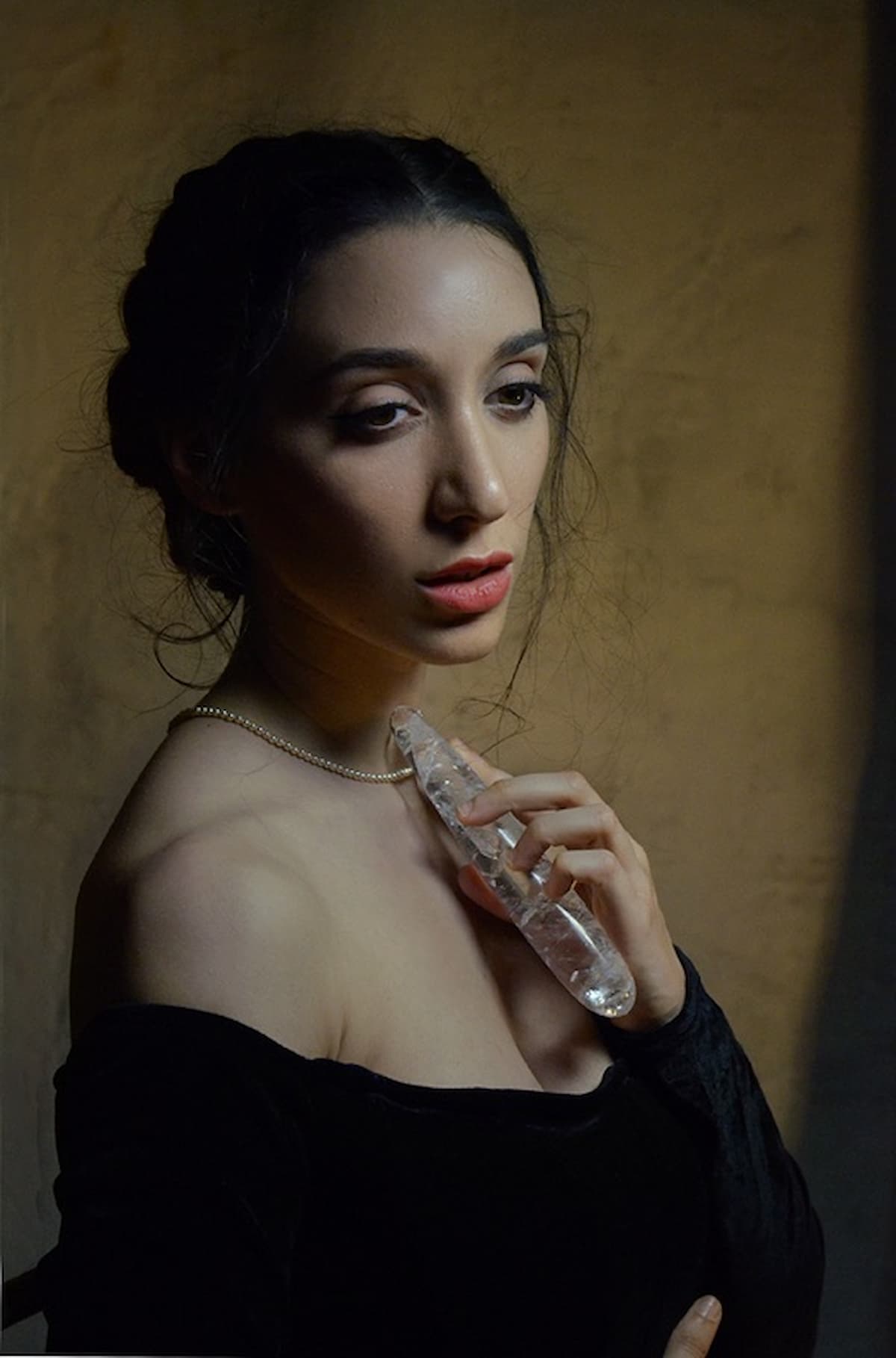
In a talk with Vanessa Cuccia, founder of Chakrubs, we explore the idea that pleasure can be more than a physical experience. It can become a practice of self-awareness, healing, creativity, and personal empowerment. Drawing from her own experiences of disappointment, transformation, and spiritual curiosity, Vanessa has built a brand that challenges conventional narratives around intimacy and invites people to approach pleasure with greater intention.
At the heart of Chakrubs is the belief that objects can carry meaning. Through crystal pleasure tools, ritual, and symbolism, Vanessa encourages a deeper relationship with the self, one that moves beyond performance and toward presence.
Her work asks what becomes possible when intimacy is approached not as something to achieve but as something to understand.
As the author of Crystal Healing & Sacred Pleasure and the creative force behind multiple Chakrubs collections, including the now-discontinued Forest Line crafted from sustainably sourced wood and botanical dyes, Vanessa continues to expand the conversation around sexual wellness through art, design, and storytelling. Every piece reflects a fascination with natural materials, beauty, and the emotional experiences they can inspire.
The conversation touches on sexuality as a path to self-knowledge, the role of ritual in personal transformation, and the challenge of reclaiming intimacy in a culture where shame, expectation, and disconnection often shape our understanding of desire. Vanessa reflects on how symbolic acts, meaningful objects, and intentional pleasure can help people reconnect with themselves in ways that extend far beyond the bedroom.
Website
The Vision Behind Chakrubs
Vanessa, can you share what inspired you to create Chakrubs and how your personal experiences shaped your vision for a crystal pleasure company?
Vanessa: If I put myself back at the moment Chakrubs was created, I don’t think the inspiration was crystals. I think it was disappointment.
I had grown up with a deep belief that there was something magical about life. My mother had gone through a series of paranormal experiences, and as a result, I was raised in a household where the unseen felt just as important as the visible. I spent my childhood fascinated by the mystical, the symbolic, and the possibility that there was more happening beneath the surface of ordinary life than most people realised.
As a child, that belief showed up as an interest in things like trying to see if I could talk to animals or see aura colours, and even telekinesis became an interest. As I grew older, it followed me into other areas of life. By the time I was a teenager, I wasn’t wondering whether magic existed. I was wondering where it existed. I began looking for it in love, intimacy, creativity, and connection.
When I became sexually active, the reality didn’t match that idea. My first time wasn’t obviously traumatic. In many ways, that’s what made it so difficult to understand. What I was left with was a collection of small disappointments that everyone around me seemed to accept as normal. The response was often, “That’s just how it goes.”
I remember feeling resistant to that idea. I didn’t want to believe that adulthood was simply a process of lowering your expectations. I didn’t want to believe that intimacy was destined to feel disconnected, performative, or mechanical.
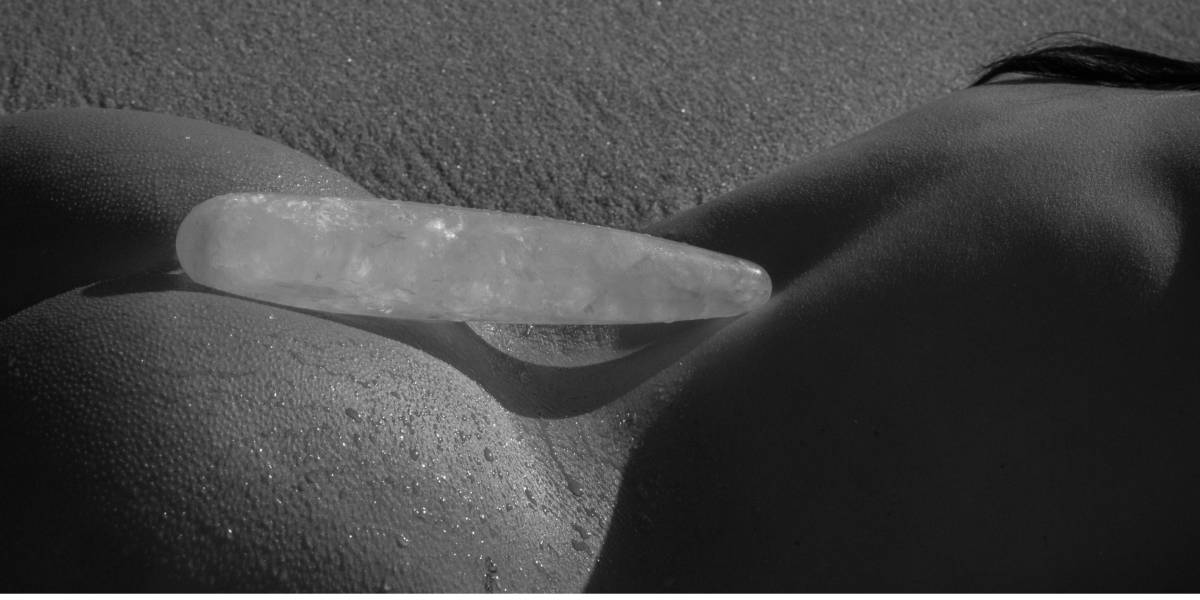
I had recently moved from New York, gone through a breakup, and was struggling financially. I was renting out my bedroom and sleeping on the couch just to make rent. My body was tired. Emotionally, I felt numb. And it was a moment I remember where I just thought, “Life is hard; sex should be enjoyable.” And I broke up with the boyfriend I had been with for 6 years, essentially coming to terms with the toxicity that had occurred between us, much of it involving sex. So, I put myself on a path and started working at The Pleasure Chest, learning as much as I could about pleasure and sexual liberation from the amazing staff and their selection of books in my downtime.
One of the people I had rented my room to was a spiritual teacher, and it was one night that I joined him at a kind of “spiritual meeting of the minds” where the concept for Chakrubs was born. The hostess had a collection of crystals. Sometimes I feel the crystals spoke to me, telling me they were ready to be understood as healers for sexual trauma. The name “Chakrubs” came to me, and I just knew this was something I was being called to bring to the world. Even though the people at that meeting thought I was crazy or even rude for bringing up masturbation with crystals, the entire evening, my mind was buzzing with ideas. I had a feeling, and I followed it. The next day, I shared the idea with my colleagues at The Pleasure Chest. Their reaction was the exact opposite. They thought it was brilliant.
The more I spoke about the idea, the more I was able to gather this confidence that this was something that was needed. The product, yes, but also the conversations it inspired.
Pleasure as Self-Knowledge
You frame pleasure as a tool for self-knowledge and personal empowerment. How do you see this approach transforming the way people understand their own intimacy?
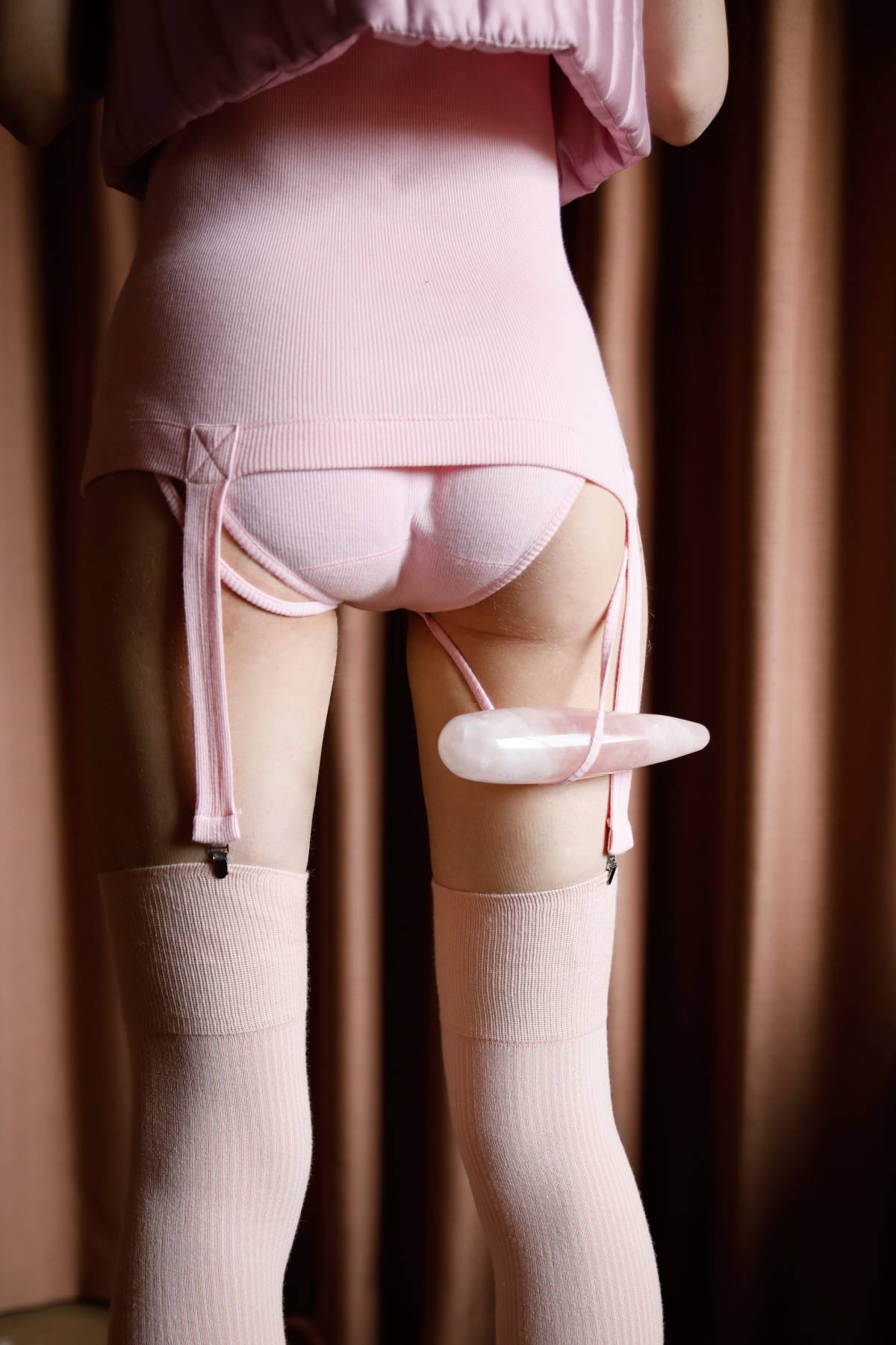
Vanessa: First, let me say that I don’t think it is necessary for everyone to think about sex and pleasure this deeply. For many people, intimacy is healthy and fulfilling, and their questions are practical ones: communication, desire, compatibility, or keeping things exciting. There is no reason to force a deeper framework onto an experience that is already working.
Chakrubs tend to resonate with people who find themselves asking different questions. If sexual expression has become a source of emotional pain, confusion, shame, longing, or disconnection, then it can be useful to approach it as a path of self-understanding, and perhaps even a spiritual one.
One of the thinkers who has influenced me most is Alejandro Jodorowsky and his concept of Psychomagic. At its heart is the idea that we communicate with the unconscious through symbols, images, and poetic acts. We are not purely rational beings. We are meaning-making beings. Sometimes transformation occurs through participating in a symbolic act that speaks to something deeper than language, rather than pure analysis.
When viewed through that lens, sexuality becomes one of the most powerful symbolic experiences available to us. It is tied to identity, vulnerability, desire, creativity, love, power, fear, and connection. Because of that, changes in how we approach sexuality can have effects far beyond the bedroom.
Ritual creates a container for this process. Whether it is setting an intention, working with a meaningful object, or simply bringing greater awareness to the experience, the act becomes about more than pleasure alone. It becomes a way of entering into a relationship with yourself.
I don’t think pleasure is inherently healing. I think attention is healing. Pleasure simply gives us a place to pay attention. And with the introduction of a tool like Chakrubs, that attention can become more intentional.
The Art of Pleasure
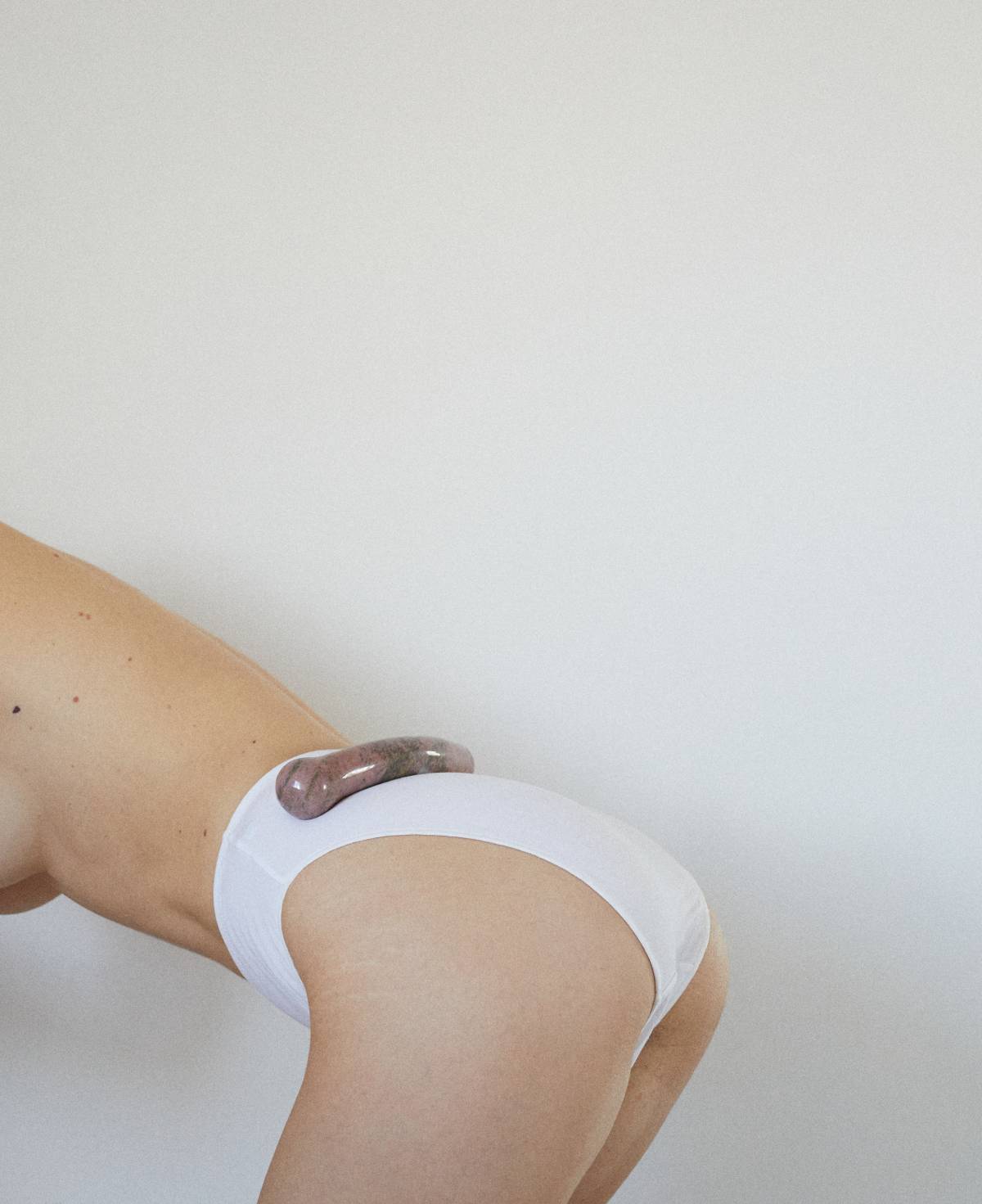
Your products, like the discontinued Forest Line, are crafted from natural materials and infused with thoughtful design. What drives your choices in materials and aesthetics, and how does this enhance the user experience?
Vanessa: The Forest Line came about as a response to when many of the original Chakrubs’ designs were being copied. It was challenging for me on many levels, but it also pushed me into my identity as an artist and designer. I wanted to create something that felt entirely new, something that expanded the creative universe of Chakrubs.
What made the Forest Line unique was that each piece was crafted from wood and stained using botanical essences in collaboration with artist Cara Marie Piazza. The process was stunning, and developing each object in association with the wood and the dyes was a joyful experience. There was a mythology; we created the line, which was fun, and framed the objects as symbols of storytelling.
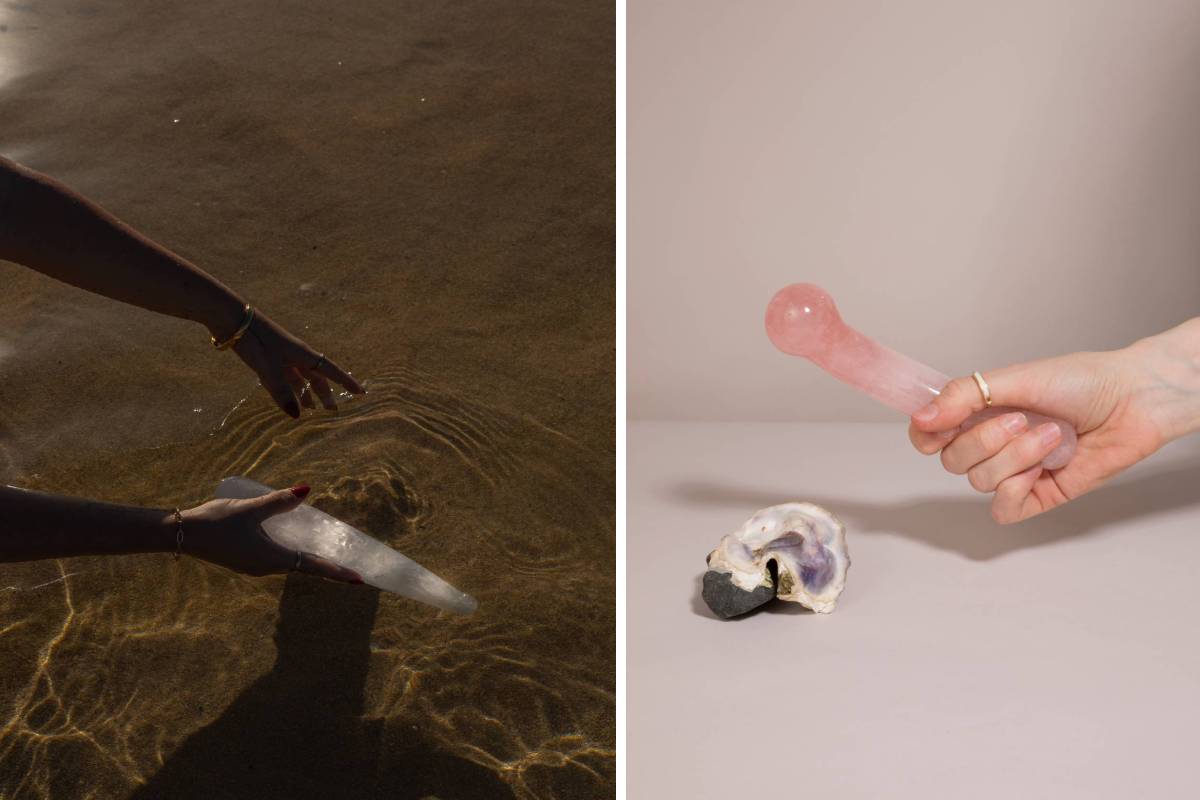
Natural materials do inspire me when designing. Crystals, wood, flowers, water, and stone all carry associations, histories, and symbology…which, for me, feels more erotic than traditional materials in the adult toy industry. Even the most elevated and sophisticated designs of adult toys can’t hold a candle to the beauty of a Chakrub. And I don’t only say that as a brag, but that beauty is intrinsic to what I believe makes Chakrubs such an emotionally healing tool. In many experiences, the act of self-pleasure carries shame, with the toy being hidden away right after use. With Chakrubs, the beauty encourages a bit more presence.
When I am designing, sometimes I am thinking about the experience an object creates. Other times, I am simply having fun. I follow a concept that excites me and see what forms around it.
Objects of Empowerment
Chakrubs incorporates objects and rituals into sexual wellness. Can you explain how these rituals work and why you believe they are important for personal growth and creativity?
Vanessa: As I mentioned earlier, I believe when we put intentionality behind something we do, it becomes a poetic act. Through poetic acts, we can alter our lives.
Let me offer an example.
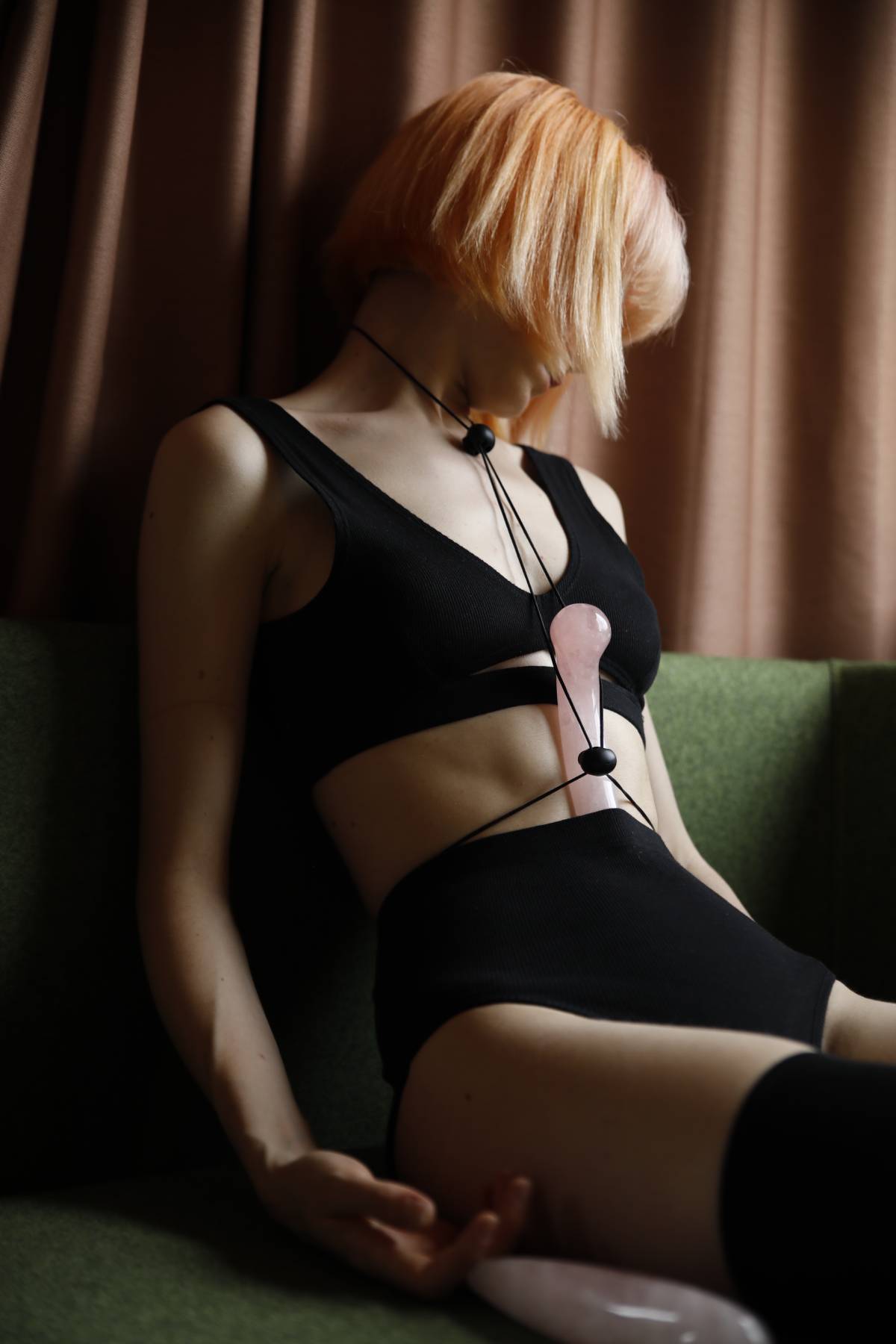
Imagine someone who has spent years feeling disconnected from their body. They purchase a crystal, set an intention for self-love, light a candle, take a bath, and spend an evening exploring pleasure with curiosity rather than judgement. From a purely practical perspective, nothing extraordinary has happened. They have taken a bath and masturbated.
But symbolically, something very different may have occurred.
They have created a moment that communicates a new message to themselves. They have declared that their pleasure matters. That their body deserves attention. That intimacy with themselves is worth making time for. The ritual becomes a language.
This is what interests me about objects. Objects help us make ideas tangible. They give form to our intentions. A wedding ring, a seashell, a rosary…human beings have always used objects to carry meaning.
I think Chakrubs function in a similar way. They become vessels for attention, memory, intention, and imagination.
As for creativity, I don’t think creativity and sexuality are as separate as we often pretend they are. Both involve surrender, curiosity, vulnerability, and the willingness to encounter something unknown. When people reconnect with those qualities, I often see changes that extend far beyond their sex lives. They become more expressive, more confident, more playful, and more willing to trust themselves.
Reclaiming Intimacy on Your Terms
For readers who are navigating shame, religious conditioning, or emotional trauma around sex, what would you say to them about reclaiming intimacy on their own terms?
Vanessa: The best advice I have to offer here is to figure out what that actually looks like.
I think phrases like “reclaiming intimacy” or “being sexual on your own terms” sound meaningful, but they can also be so broad that they become difficult to act on. Before you can reclaim something, you need to define it.
What would reclaiming your sexuality actually look like in your life?
For one person, it might mean feeling comfortable exploring a kink they have spent years judging themselves for. For another, it might mean taking a break from sex entirely and learning the difference between desire and obligation.
I often feel this way about many spiritual concepts. “Love yourself“ is a beautiful sentiment, but what does it mean in practice? What are the behaviours, choices, and actions that would allow you to recognise that you are doing it?
The same is true here. The more specific you can become, the more real the transformation becomes. Otherwise, we can spend years chasing an idea without ever knowing what it would look like to arrive.
Editor Note
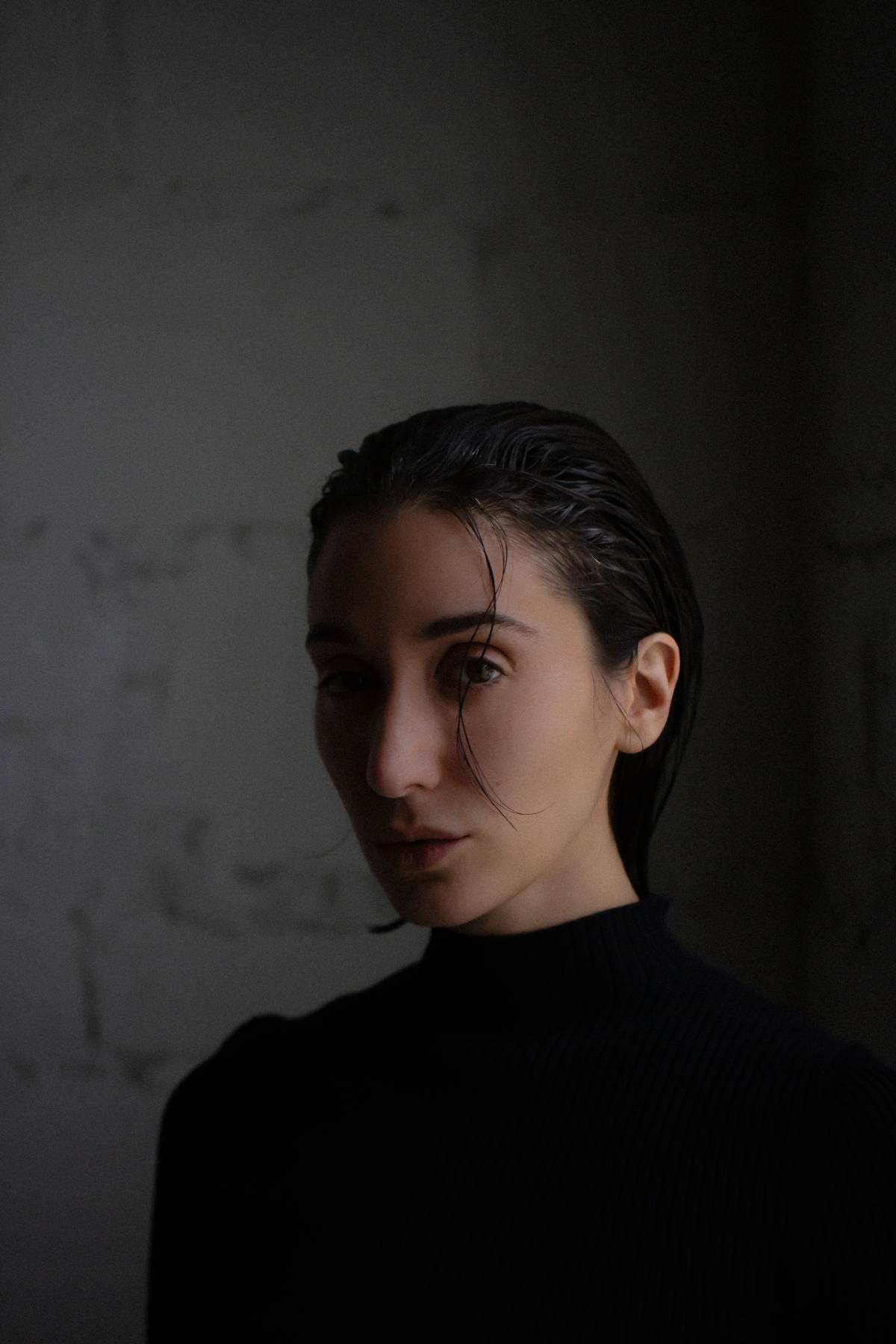
In a world that often treats intimacy as performance, productivity, or something to be measured, she offers a different lens, one rooted in attention, symbolism, and self-awareness.
It begins with the meaning we assign to our actions and the willingness to engage with ourselves honestly. Whether readers connect with Chakrubs’ spiritual framework or not, the broader lesson remains relevant: intimacy is not simply something we experience with others. It is a relationship we build with ourselves.
Pleasure may not be what heals us, but the attention we bring to it just might. And in a culture filled with distraction, that perspective feels more valuable than ever.
