
There is a particular kind of honesty that emerges when we stop trying to outrun ourselves. For sexologist and counsellor Louise Pelusey, intimacy begins long before sex or partnership in the relationship we build with our own bodies, emotions, boundaries, desires, and sense of self. Her work explores sexuality, secure attachment, and embodied healing while making space for the conversations people are often taught to avoid.
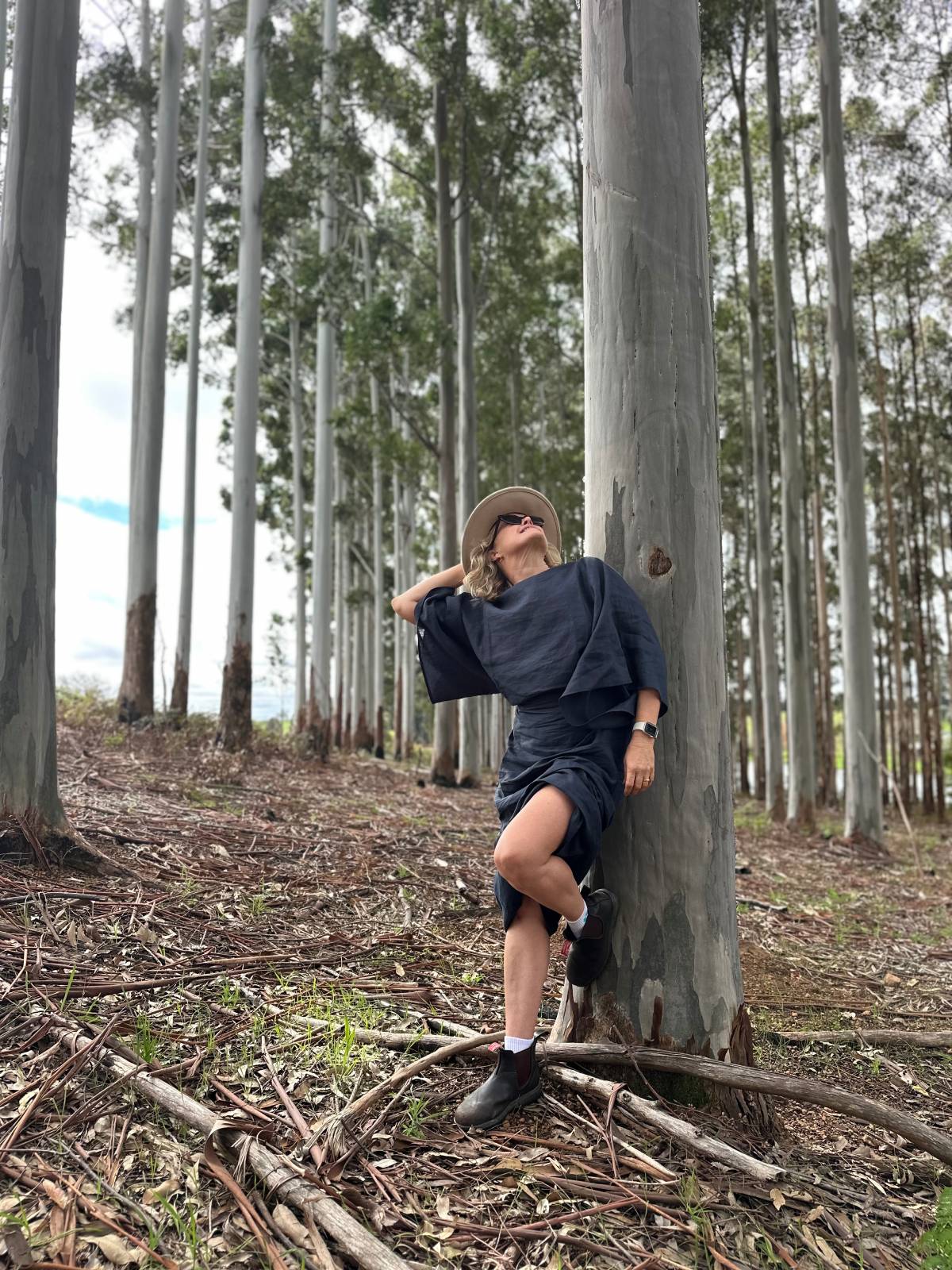
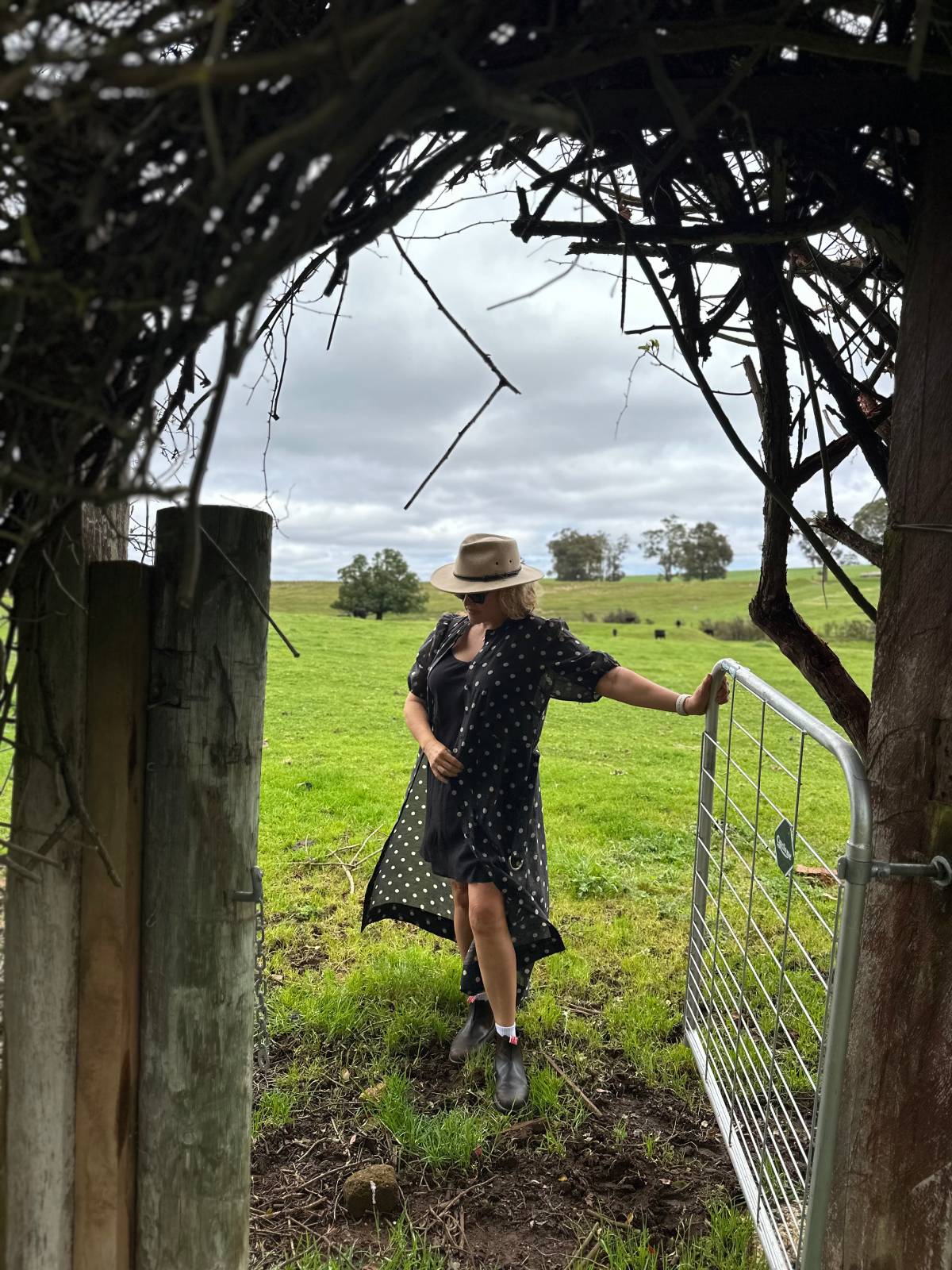
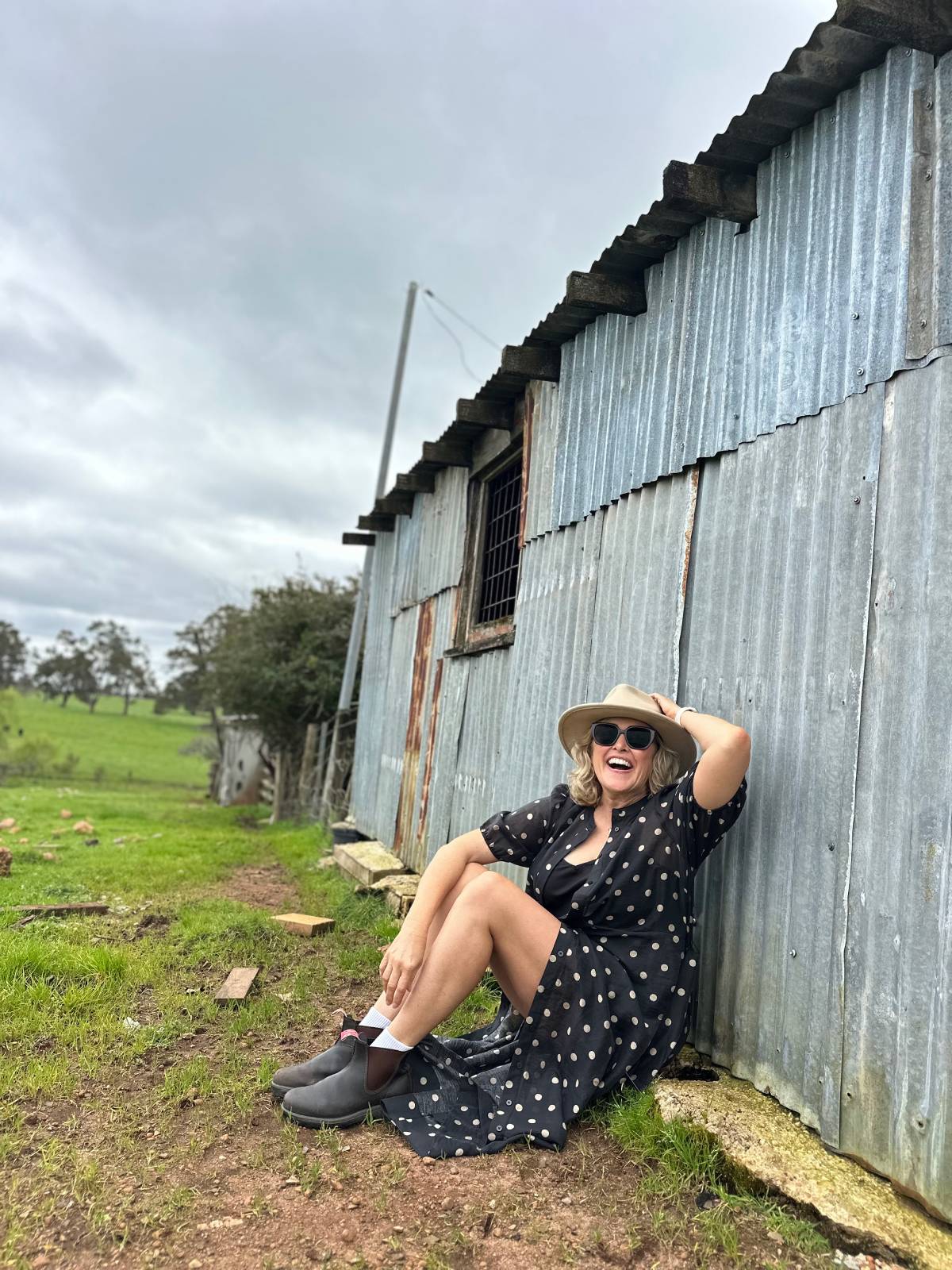
That perspective has been shaped by both professional experience and a deeply personal period of solitude. For 18 months, living with her youngest daughter in a 100-year-old cottage on a semi-rural Angus farm, Louise moved through grief for the life she thought she would have while reconnecting with nature, her body, and her own inner voice. Her pleasure-led approach to life rooted in curiosity, movement, ritual, and aliveness became an important part of that process.
Alongside her counselling work in sexual health, support for sex workers, dementia helpline work, and workshops, Louise challenges the idea that people are inherently broken. Through her architecture formulation, she explores inherited beliefs, family patterns, adversity, and social scripts that can quietly shape how people experience desire, relationships, and themselves. Her focus remains on autonomy, safety, and helping people understand what sits beneath the behavior.
In this conversation, she reflects on desire beyond sexuality, anger as a form of self-trust, fantasy as a pathway to freedom, the limits of talk therapy, and the importance of secure attachment. At its heart is a simple but powerful idea: intimacy begins when we stop abandoning ourselves in order to belong.

Alone, But Not Disconnected
You’ve described 18 months on a semi-rural farm in Angus, stepping away from dating, distractions, and seeking behaviors. How did that period reshape your understanding of desire, eroticism, and intimacy?
Louise: We often think intimacy is something we create with another person, whilst that is true. I have discovered that the deepest intimacy is being able to sit with ourselves without constantly needing to escape, distract, or seek validation.
Living in solitude on a semi-rural farm gave me the space to really hear my own voice. I grieved not only the relationships I’d lost but also the future I thought I was going to have. The grief that comes with this is the kind where you’re also letting go of the version of yourself who survived by self-abandoning to be in those relationships. It’s quicker to point the blame at others or systems we have come from. But this grief has been related to the things I am responsible for allowing to happen (self-betrayal).
In the silence/solitude, I realised I no longer needed to maintain relationships that required me to abandon myself, and healing doesn’t just invite you to let go of what hurt you; it asks you to let go of who you had to become to survive it.
I’ve had a healthy relationship with my anger for a while, but the gaslighting from others and society remained; at times, this still felt murky and confusing, and I was still doubting myself. One of the biggest shifts has been the evolution of my relationship to my anger. My anger is my body’s way of telling the truth; it’s a form of self-trust that grounds and regulates me in my truth. It’s an intelligent emotion that signals when a boundary has been crossed or when I’m betraying myself. Instead of fearing it, I’ve learned to listen to it. I love the energy of this feeling in my body. Discernment is a superpower I have now!
I began cultivating my pleasure lens on life a long time ago, with lots of ritual and embodiment practices. For me, eroticism and desire aren’t just about sexuality; they’re about curiosity, aliveness, and vitality. It’s the capacity to feel deeply, to be present in our bodies, to honor our emotions, all of them, including the grief. I’m not sure I would have survived this grief without this life force (erotic lens on life). By integrating the grief, I now get to live from an authentic place rather than from old survival patterns.
“People can only meet you as deeply as they’ve met themselves” (Matt Kahn?). Today, I’m far less interested in relationships based on unconscious patterns or unhealed wounds. I’m drawn to people who are willing to do the inner work, who have met themselves honestly, because that’s where authentic intimacy becomes possible.
Eroticism and desire are about aliveness, not just sexuality.
This also feeds into the question about how intimacy and secure attachment have shaped providing emotional safety for my children. This way of being has created generational change; I identify with being a cycle breaker. What my kids get to experience relationally is something very different to what I experienced because they are authentic, not performing or conforming, and all of their feelings and ways of being are accepted.
Beyond “Dysfunction”
We often use words like “dysfunction,” “addiction,” or “abnormal” when talking about sexuality and sexual behavior. What concerns you about this kind of language, and how can changing the language we use change the way people understand themselves?
Louise: The language we use shapes the way we experience ourselves. When we label someone’s experience as a “dysfunction,” we immediately imply that something is wrong, that something is broken. That can create shame before we’ve even become curious about what’s actually happening. I don’t collude with the idea that we are broken or that our humanity needs fixing.
So much of what people believe is wrong with them sexually isn’t dysfunction at all. It’s often misinformation, unrealistic expectations, inherited beliefs, or social scripts we’ve absorbed without ever questioning. We compare ourselves against narrow ideas of what sex should look like, how bodies should respond, or how desire should behave, and when our lived experience doesn’t match the script, we assume we are the problem.
For example, it’s quite common for people to self-identify with being an addict. When someone says “I’m addicted to porn/sex/love …” I get curious about what that behavior regulates, e.g., loneliness, anxiety, inadequacy, and emptiness. I then get curious about the originating wound, shame and trauma, and nervous system health.
I’m far more curious about what is occurring underneath the patterns that are being labelled and stigmatised. That’s where our humanity resides. We are not broken; we have just learned ways to cope in the best way we know how due to the adversity that has happened to us.
I’m not suggesting that we have to be perfectly regulated all the time. Even when we are dysregulated, it’s perfect information about ourselves. Everything is perfect even when it isn’t!
As a sexologist, I’m far more interested in understanding the person’s story than assigning them a label. Many of the fears and insecurities people carry aren’t theirs to begin with. They’ve been inherited from culture, family, religion, partners, or media. Those beliefs become internalised as shame, even though they’re often someone else’s anxiety or issue projected onto us.
Human sexuality exists on an incredibly broad spectrum. There is so much more variation than we’ve been led to believe. When we move away from pathologising language and towards curiosity, compassion, and education, people stop asking, “What’s wrong with me?” and start asking, “What is my body trying to tell me?” We can accept and integrate precisely who we are, and who we are is always evolving.
Curiosity is more transformative than judgement, and freedom comes from living beyond inherited stories. People don’t need fixing; they need freedom from the BS stories they’ve been told. This is true liberation.
When Talking Isn’t Enough
You’ve spoken about the limits of relying on insight alone, particularly when someone can spend years understanding their patterns without necessarily feeling any different. What role do the body, nervous system, movement, nature, and embodied rituals play in healing sexual and relational wounds?
Louise: Talk therapy has an important place, but insight alone doesn’t necessarily create change. We can understand why we behave the way we do and still find ourselves repeating the same patterns because the body hasn’t caught up with the mind.
Sexuality, intimacy, and relationships are lived through the body, not just the intellect. If our wounds are held in the nervous system, then healing also has to involve the nervous system. That’s where somatic practices, movement, breath, nature, and embodied rituals become so powerful. They allow us to experience safety, pleasure, boundaries, and connection rather than simply analyse them.
I’ve seen people (myself included!) spend years talking about the same story, becoming experts in why they’re stuck without actually feeling different. Sometimes, continually retelling the story can reinforce the very neural pathways they’re trying to move beyond. Understanding our history is so important, but healing also asks us to create new experiences that teach the body something different.
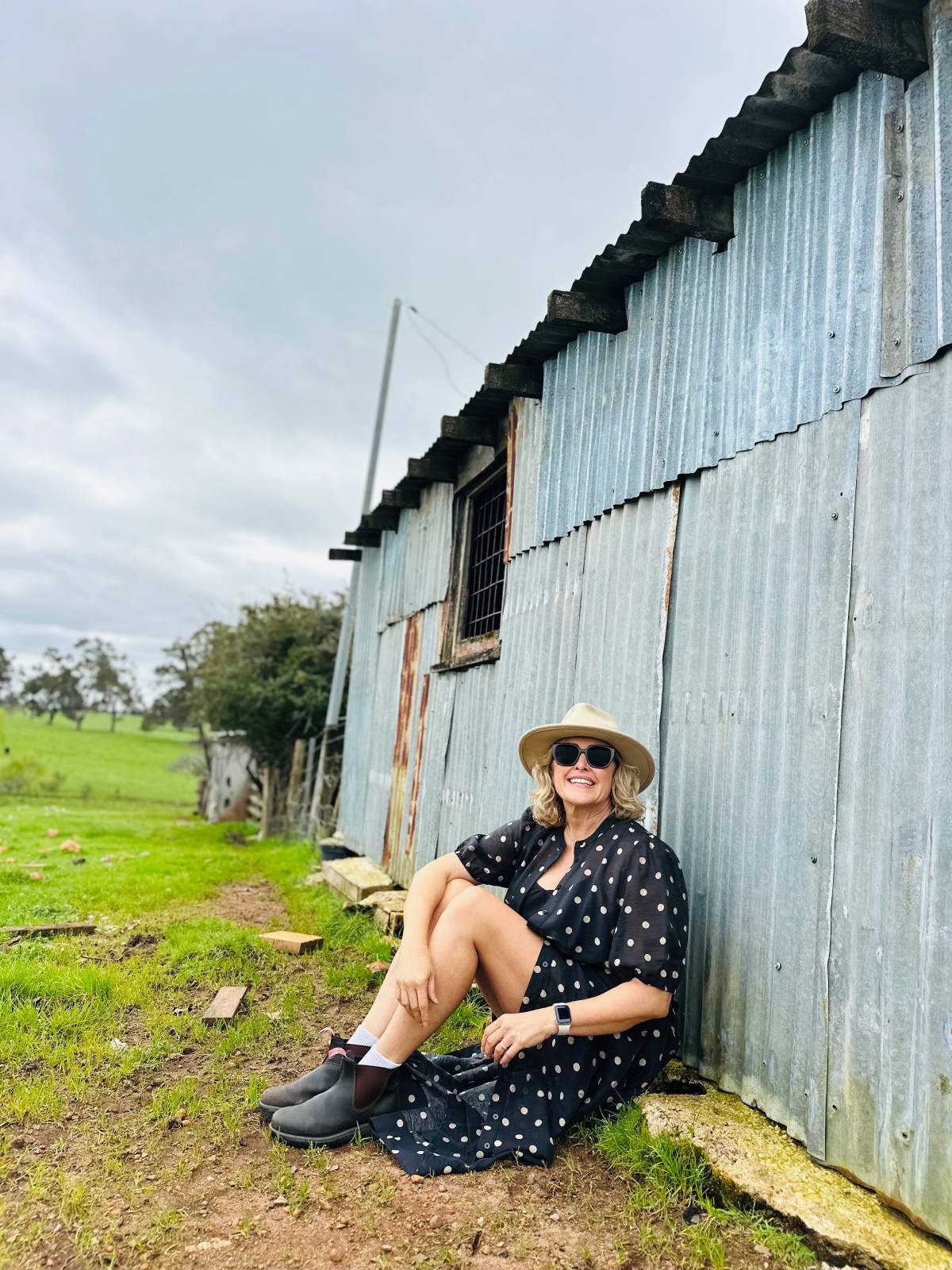
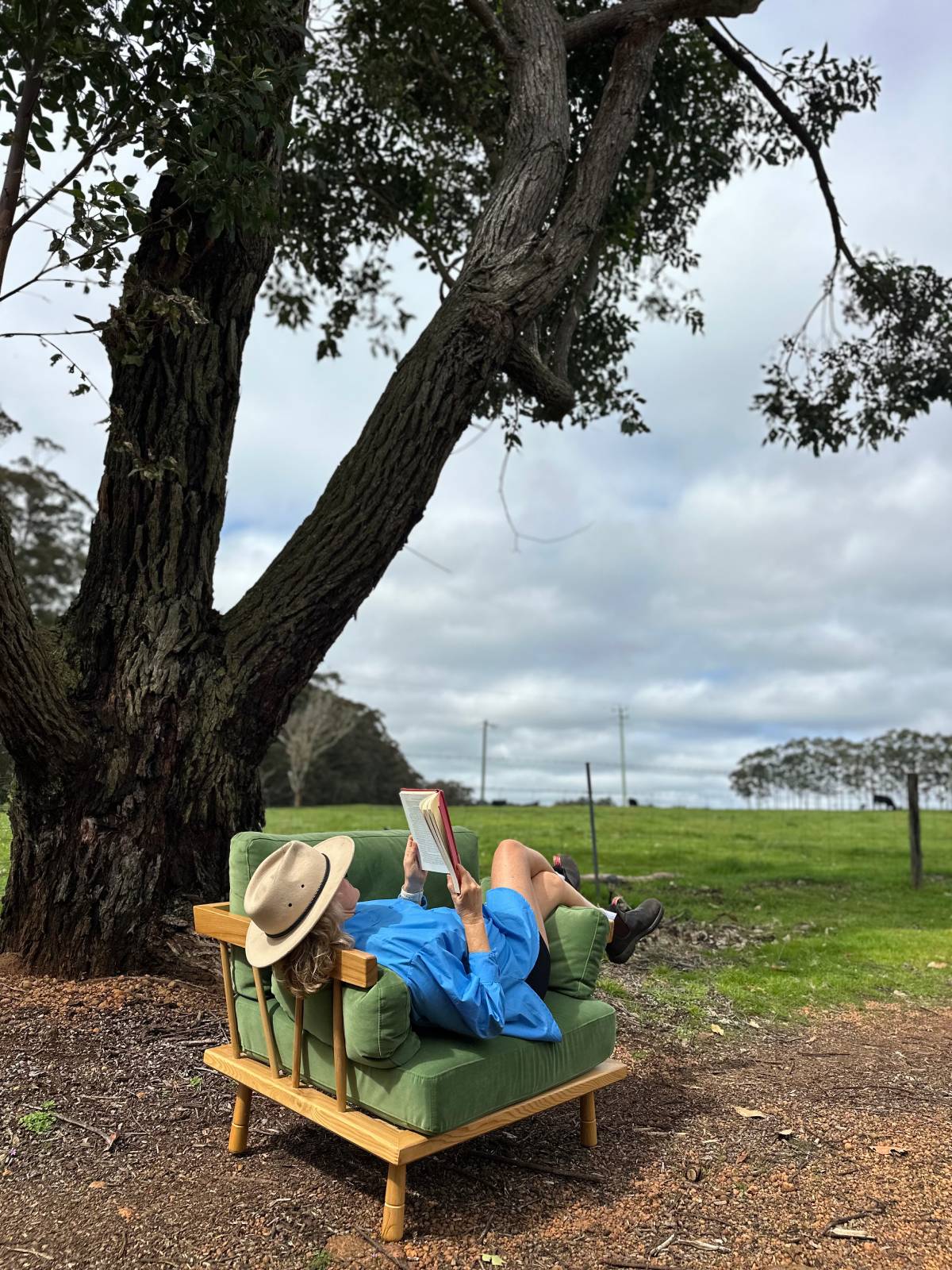
Nature has been one of my greatest teachers. It doesn’t ask us to explain ourselves; it invites us to slow down, regulate, and remember that we’re part of something much bigger. Movement reconnects us with sensation. Ritual helps us mark transitions. Together, these practices create experiences that words alone often cannot reach.
For me, healing isn’t about endlessly revisiting the past. It’s about helping people feel at home in their bodies again. When the body begins to experience safety, authenticity, and connection, our relationships naturally begin to change because we’re no longer relating from survival; we are relating from presence.
Healing comes through new embodied experiences, not just insight, and the body carries wisdom that the mind often tries to override.
There have been many ceremonies in the paddocks, some for the secrets and some for the adversities that never had a funeral.
The Taboo We’d Serve First
You’ve said that very little feels taboo to you when it comes to talking about sex. If you were hosting a completely judgement-free dinner party, what question about sex, desire, or fantasy would you put on the table first?
Louise: I’m so practiced at talking about sex that very little feels taboo anymore. What fascinates me is the topic, of course, but more specifically where the person’s shame shows up around this idea.
At my dinner table, I’d probably ask everyone, “What do you actually desire, and what fantasy have you never shared with anyone?” Not what you think you should want, not what your partner wants, but what genuinely brings you alive. I think most people have never been given permission to answer that honestly.
Not every fantasy should be acted upon, but fantasies are often windows into the parts of us that feel most alive, creative, and free. It’s so pleasurable to be curious about that. Fantasies can be a window into parts of ourselves we’re often too afraid to explore.
Fantasy isn’t just about sex. It’s about longing, curiosity, play, power, vulnerability, and possibility. It can tell us something about who we are beneath the expectations, roles, and social scripts we’ve inherited.
Fantasy activates our vitality and aliveness.
I think we’ve become experts at performing who we think we’re supposed to be while quietly abandoning what genuinely brings us alive. When we can speak about our desires and fantasies without shame or judgement, the conversation stops being about sex and starts becoming about freedom.
Motherhood as a Practice in Authenticity
As a mother of three adult children, you’ve spoken about secure attachment, emotional safety, and giving your children permission to be fully themselves. How has motherhood changed your understanding of intimacy, and what does it mean to create a different relational legacy for your children?
Louise: Becoming a mother deepened my understanding that love isn’t about creating children in our own image; it’s about creating the conditions for them to become themselves fully.
I grew up in a family where many conversations simply weren’t had. There were things we didn’t talk about, emotions we didn’t know how to name, and experiences that remained unspoken. I wanted something different for my children. I wanted them to know they could ask questions, express themselves, disagree with me, and ultimately have the freedom to choose the life that felt authentic to them.
Providing a secure attachment base means that it is safe for them to learn their authenticity. They don’t have to be anything they’re not, and we all get to evolve as life goes on.
I often say that my children are the evolution of me, not the repetition of me. I don’t believe parenting is about raising obedient children; it’s about raising conscious adults who know who they are, so they are not living from unconscious conditioning.
For me, emotional safety has never meant protecting them from every adversity. That’s impossible because life will always bring challenges, disappointment, and heartbreak. Emotional safety comes from being a secure attachment base, a place they know they can return to without shame, where they feel seen, accepted, and loved, even when life is difficult.
That belief has shaped the way I think about intimacy too. Whether it’s with our children, our partners, or ourselves, the healthiest relationships don’t ask us to become someone else to belong. They create enough safety that we can become more of who we truly are.
Having Sex vs Feeling Seen
In your work as a sexologist, you encounter people navigating concerns around desire, sexual behavior, relationships, and intimacy. Sometimes an individual may even arrive with a concern that has been shaped or imposed by a partner. What have these experiences taught you about the difference between sexual behavior and genuine intimacy?
Louise: One of the biggest misconceptions is that we confuse sexual expression with intimacy. They’re not the same thing. I’ve met people with incredibly rich and adventurous sexual lives who feel profoundly disconnected, and others with very little sexual experience who have an extraordinary capacity for intimacy.
Intimacy is a way of being. People often want me to talk about the behavior, but I’m much more interested in what sits underneath it. Behavior is the visible part. Longing, shame, fear, pleasure, grief, curiosity, and the need for connection are what I’m really listening for.
I’ve worked with people who describe aspects of their sexual behavior as feeling out of control or no longer aligned with who they want to be. That might include compulsive sexual behavior or pornography use that they themselves experience as problematic. My role isn’t to judge those behaviors or declare them inherently unhealthy. I’m interested in understanding what function the behavior is serving.
Sometimes sexual behavior becomes a way of regulating overwhelming emotions, avoiding loneliness, soothing anxiety, or escaping difficult feelings. Our nervous systems are incredibly adaptive, and these behaviors can make perfect sense in the context of someone’s life. The more useful question isn’t, “Is this behavior good or bad?” But, “What is this behavior trying to do for you, and is it helping you create the life and relationships you truly want?”
When we replace judgment with curiosity, we create space for real change. Ultimately, I’ve learned that it’s entirely possible to have a lot of sex without intimacy and equally possible to experience profound intimacy without sex at all. The quality of our intimate lives isn’t determined by what we do sexually, but by how honestly we’re able to meet ourselves and each other.
I’ve heard people challenge that you can never truly meet yourself because we’re always evolving. That’s true. When I say “meet yourself,” I’m referring to your wounds, your unconscious impositions, and having a regulated nervous system so you can relate from authenticity, not survival modes. Authenticity also includes big feelings; it’s ok to feel and be feral 😊.
So much of what people come to therapy for, they think, is the observable behavior. I’m curious about the driver of it. That is being fully seen.
Also, the importance of having conversations rather than avoiding them fits with the intimacy of being fully seen and being vulnerable. I promote … If you think having uncomfortable conversations is hard, wait until you experience the consequences of not having them. This also fits with secure attachment and the intimacy of how I’ve raised my kids.
The Truth That Changed Everything
After everything you’ve learned about sex, intimacy, relationships, and yourself, what is the one truth that took you the longest to understand but ultimately changed the way you live and relate?
Louise: The deepest intimacy is the relationship you stop abandoning within yourself, and the relationship you have with yourself sets the foundation for every other relationship in your life. “The quality of your life is determined by the quality of your relationships.” — Esther Perel.
Intimacy isn’t something another person gives us. It begins with our willingness to meet ourselves honestly, to feel our emotions, to listen to our bodies, to honor our boundaries, and to stop abandoning ourselves in the hope of being loved.
For a long time, I believed love required self-sacrifice. Now I know that genuine intimacy can only exist where authenticity is welcome. The more we become ourselves, the more capable we are of truly meeting another person.
Authentic intimacy begins when we are more truthful, not by making ourselves more “lovable.”
Editor Note
Softening certain parts of yourself and hiding uncomfortable feelings becomes easier to love. Over time, it can become difficult to know where genuine connection ends and self-abandonment begins.
Intimacy asks us to look a little closer. What happens when we stop treating our emotions, desires, and contradictions as problems and instead become curious about what they might be telling us? Anger can reveal a boundary. Fantasy can reveal a longing. Discomfort can point towards something we have been taught to ignore.
Louise’s reflections invite a reconsideration of the stories we carry about ourselves, many of which were shaped by family, culture, relationships, and expectations long before we had the chance to question them. There is freedom in recognising that not every belief we hold actually belongs to us.
Learning to see ourselves without immediately judging what we find. To notice where we are choosing connection and where we are quietly leaving ourselves behind.
