
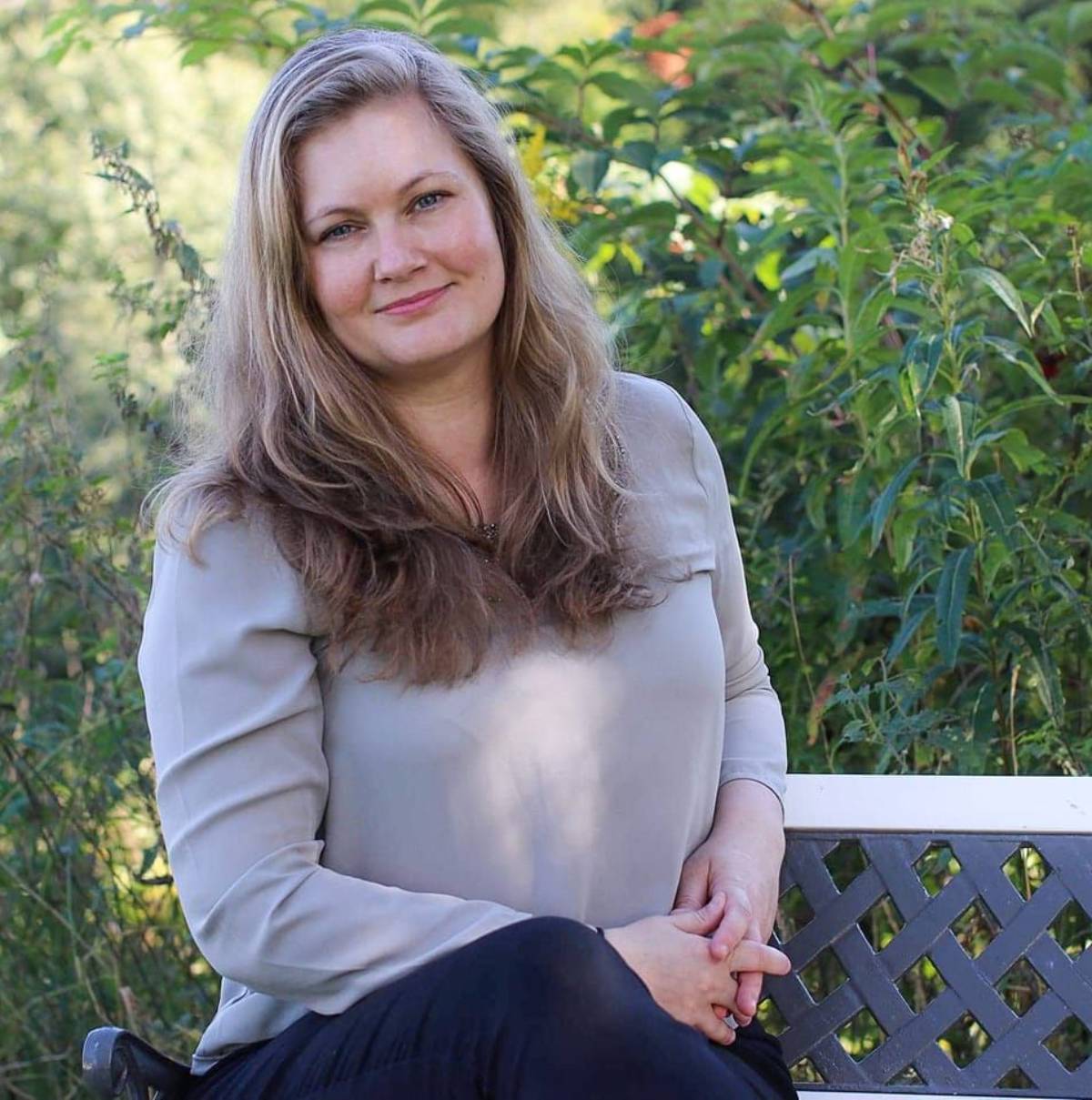
Sexuality is rarely as straightforward as we are taught to believe. It shifts with hormones, relationships, stress, and the many changes that come with living in a woman’s body. Tone Haldorsen, a certified sexologist, couples therapist, and vaginal therapist, works across women’s health, sexual well-being, and intimate relationships, helping individuals and couples better understand their needs.
Alongside her private practice, she teaches at the International School of Sexology and Couples Therapy and works with women at Crowna Clinic in Oslo.
With seven years of therapeutic experience, her work explores subjects often overlooked in conversations about women’s health, including menopause, endometriosis, trauma, neurodivergence, and sexual pain. Through therapy, teaching, and public speaking, she challenges outdated beliefs about women’s bodies and the expectations surrounding intimacy.
Her perspective is clear: sexual well-being deserves understanding, honest communication, and respect for individual boundaries. Women should never feel obliged to accept discomfort or put someone else’s pleasure before their own.
In our conversation, we explore the myths surrounding sex, why sexual pain should never be normalised, neuro-inclusive intimacy, and the importance of owning your sexuality at every age. It’s a thoughtful reminder that understanding your body is an essential part of understanding yourself.

Website
Your Sexual Self, Unfiltered
You work at the intersection of sexuality, relationships, and women’s health. What is one thing you wish more women understood about their sexual selves, especially as their bodies and desires change throughout life?
Tone: I wish women understood that sexuality in women changes all the time, in a completely different way than in men. Men are relatively stable all the time, with a natural and steady decline in testosterone throughout life. In women, the hormonal changes fluctuate several times a month, and there are also major changes, e.g., perimenopause.
Sexuality is also affected by stress, the quality of the relationship you are in, and motherhood, so I wish more women knew about the importance of the overall picture of how they live in order to know themselves physically, mentally, and sexually. Learning about themselves all their life will help them cope with the changes.

Sex Shouldn’t Hurt
Sexual pain is still something many people suffer through silently. Why do you think we have normalised discomfort during sex for so long, and what needs to change in the way we talk about it?
Tone: When women go to the doctor for pain, especially abdominal pain or sexual pain, they are told that they are hysterical, that it is only mental and in their head, and they are told to have a glass of wine and relax. Women’s pain and women’s health in general have been trivialized and ridiculed for several hundred years, so women have learned over many generations that pain is just something they have to live with. Many women associate sex with pain and have gotten used to it being normal. Then it is also difficult to create a change! Women cannot change this themselves.
There needs to be a drastic change in what is researched when it comes to women’s health and pain in women and how the health service and professionals receive women with pain problems. We must also teach women from a young age that sexual pain is not normal and that they should not have to live with it without getting the help they need. The more open we talk about this, the more women can get help.
Sex Myths You’re Still Believing
What’s your biggest sex myth pet peeve, the one you would happily debunk every time you hear it?
Tone: Wow, that’s many. But if I have to choose one? That sex breeds sex. That’s completely wrong. Good sex can make you want more sex, but bad sex makes you distance yourself from it and start to refuse to have sex.
Unfortunately, I hear many couples have heard this expression and force themselves to have sex to see if it can save their sex life. And then the result is that their sex life gets even worse.
Bedroom Red Flags We Shouldn’t Ignore
What is one dating or bedroom “red flag” that people are far too willing to overlook?
Tone: Pressure and nagging from the partner. Many people who come to therapy with me say that the partner pushes and nags to get their way.
Either when it comes to sex, when they want to open the relationship, or when they want to try out sex that the partner does not agree with. Pressure and nagging are never okay and can never lead to real consent.

Neurodivergence & Desire
Neurodivergence can influence communication, sensory experiences, desire, and intimacy in ways that partners may not always understand. What does more neuro-inclusive sex and relationship education look like in practice?
Tone: I believe neuro-inclusive sex and relationship education starts with understanding that people experience intimacy, desire, communication, and physical touch differently. And these differences shouldn’t automatically be seen as problems that need to be fixed.
As a sexologist and couples therapist, I think we need to challenge some of the traditional expectations we have about relationships and sexuality.
For example, we often assume that physical affection is always comforting, that spontaneous sex is preferable, or that eye contact is an important part of emotional intimacy. But for some neurodivergent people, these expectations may create stress rather than connection.
In practice, we need to teach people how to communicate their needs more clearly, understand sensory differences, recognise different ways of expressing affection, and negotiate boundaries without interpreting them as rejection.
We also need to acknowledge that sexual desire and arousal can be influenced by sensory overload, attention, emotional regulation, and the need for predictability. Something as simple as adjusting lighting, reducing background noise, planning intimate time, or allowing breaks can make a significant difference.
I also believe we need to rethink how we teach sexuality. Using clear language, concrete examples, visual resources, and different ways of communicating can make education more accessible. And importantly, we shouldn’t place all the responsibility on the neurodivergent person to adapt. In a relationship, both partners have a responsibility to understand and respect each other’s needs.
Ultimately, neuro-inclusive sex and relationship education should help people understand that there isn’t one correct way to experience sexuality, express love, or build intimacy. The goal isn’t to make everyone fit the same expectations but to help individuals and couples discover what works for them.
Her Pleasure, Her Rules
If you could give women one piece of unapologetically honest advice about pleasure, relationships, and owning their sexuality at any age, what would you want them to hear?
Tone: No one but you has a right to your body and sexuality. You don’t owe any sex, and you have just as much right to pleasure and orgasm as the person you have sex with. Dare to take up space, get to know yourself, and show your partner what you like.
Don’t accept anything less than what you’re willing to give to others. And if someone doesn’t respect you, your sexuality, and your boundaries, you have to go in the opposite direction. Life is too short.

Editor Note
We have become so accustomed to discussing sex in terms of performance, expectations, and keeping a relationship alive that we sometimes forget the most important question: does it actually feel good for you?
Intimacy should never come at the cost of comfort, identity, or self-respect. Desire is not an obligation, pain is not something to tolerate, and boundaries are not barriers to connection. Perhaps the most powerful shift we can make is to stop treating women’s pleasure as an afterthought and start recognising it as something equally worthy of attention.
“Because your body is not a negotiation, and your pleasure is never something you have to earn.”
