
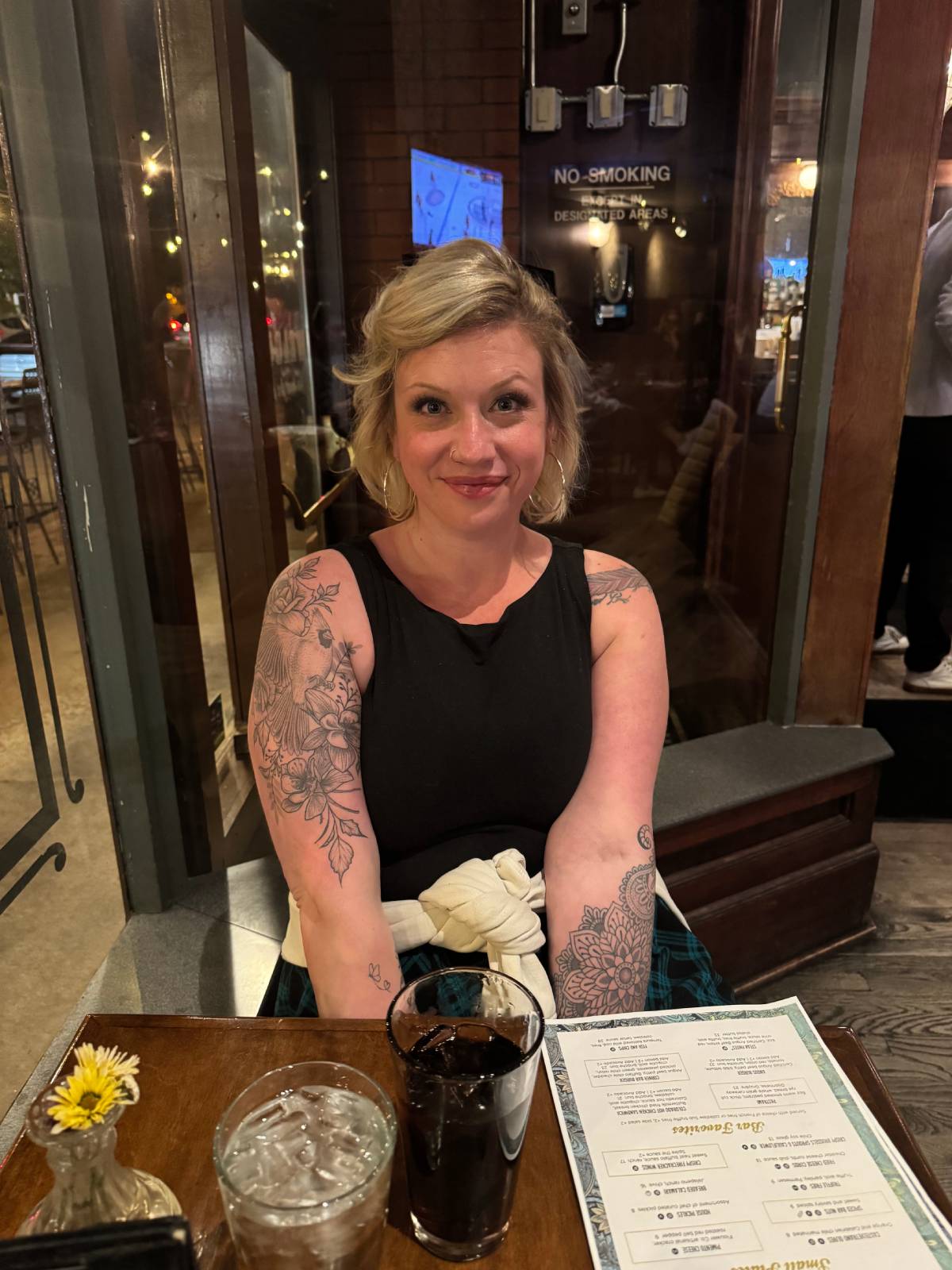
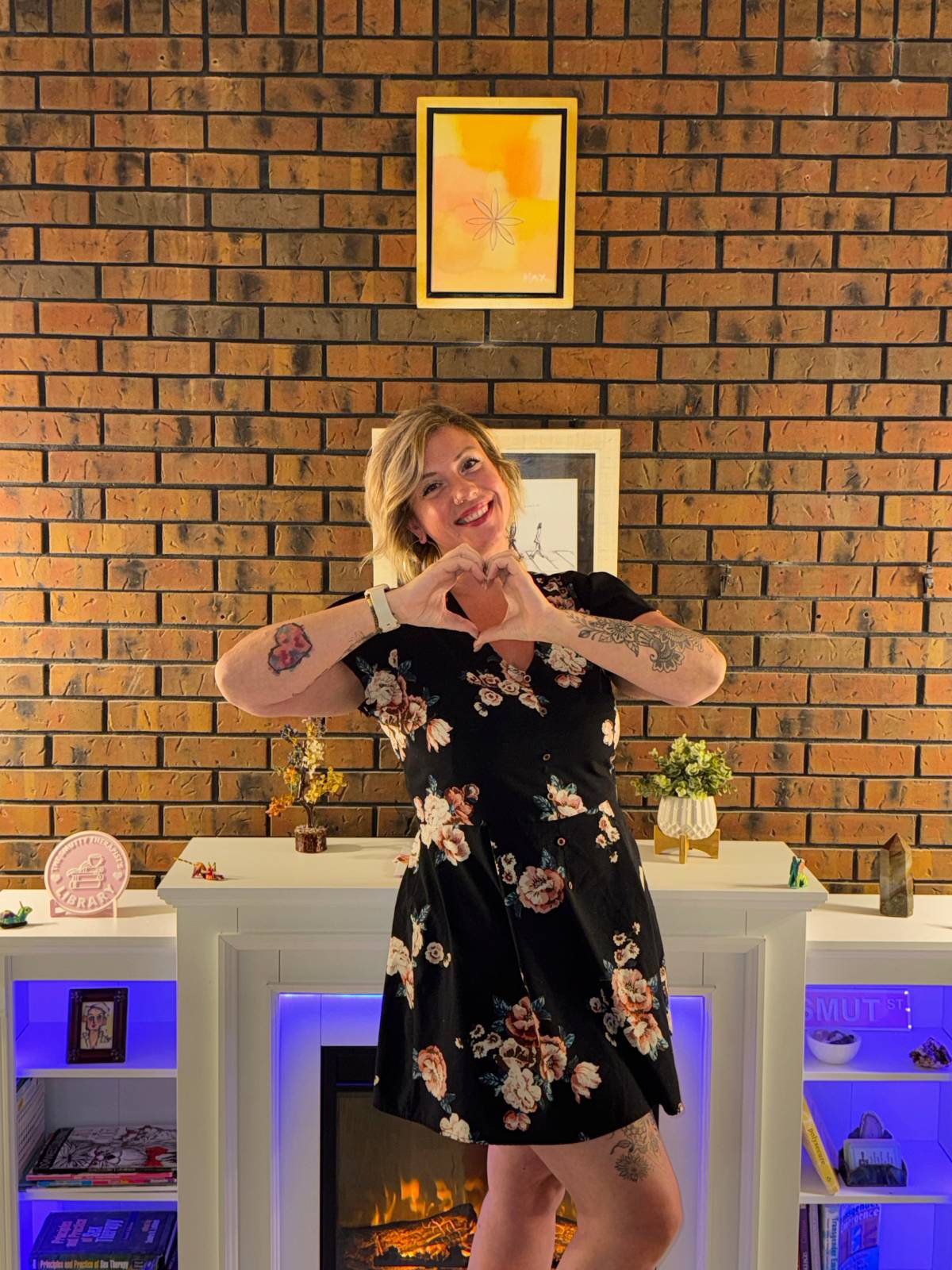
For Dr. Tessa Fox-Kulakowski, sexuality begins long before the bedroom. It lives in the music that makes us move, the touch that helps us feel present, and the small moments that reconnect us with ourselves. Through her work exploring sexual wellness, embodiment, and intimacy, she encourages people to reconsider pleasure beyond performance, confidence, and the expectations of others. Her concept of an “erotic ecosystem” offers a more expansive understanding of desire, recognising how our bodies, relationships, environments, and experiences shape our capacity to feel connected and alive.
This perspective is deeply personal. Navigating polycystic ovary syndrome (PCOS), significant bodily changes, and the transformations of pregnancy and motherhood challenged Dr. Tessa’s relationship with her own sexuality. Reconnecting with pleasure meant learning to listen to her body rather than trying to return to a previous version of herself. Through dance, yoga, and a renewed appreciation for everyday sensory experiences, she discovered that desire could not simply be demanded; it needed space to grow.
These experiences also inform her work with trauma and embodiment, helping people explore intimacy at their own pace. At the heart of her approach is a challenge to the pressure surrounding modern sexuality. Rather than striving for perfect confidence or continually trying to improve their intimate lives, she invites people to embrace curiosity, playfulness, and change through her idea of “Sexual Whimsy.”
In this conversation, Dr. Tessa explores how desire evolves, why presence can matter more than body confidence, and how couples can nurture intimacy beyond conventional expectations. Her message is quietly liberating: pleasure does not have to be earned, performed, or perfected. Sometimes, it begins with simply allowing ourselves to feel.
Website
Exploring Your Erotic Self
Tessa, you see sexuality as something much bigger than partnered sex. What does an “erotic ecosystem” actually look like, and what might someone discover when they start paying attention to their own?
Tessa: Our erotic ecosystem is really the whole landscape of how we experience pleasure, desire, sensuality, connection, and aliveness. It does play a role in partnered sex, but one’s erotic ecosystem has everything to do with their individual body, nervous system, senses, imagination and fantasies, the environments they’re in, their relationships, their capacity for play and curiosity, and even the context of what is happening in their lives.
I think of it as all the conditions that shape how connected we feel to our erotic selves. What helps me feel safe enough to soften into my body? What sensations feel good to me? What sparks curiosity and anticipation? What role do music, movement, touch, lighting, fantasy, rest, novelty, or familiarity play? What makes me feel playful, embodied, or simply more alive?
Erotic ecosystems aren’t static. They change as we change. Erotic ecosystems aren’t meant to stay the same, just like we aren’t meant to stay the same. For example, my experiences with PCOS really required me to look at my erotic ecosystem to meet my body and mind where they were at. My body changed so rapidly, and my relationship with sex really changed. I didn’t recognize myself, and that felt scary. This happened again when I was postpartum with my kiddos, and this experience was different each time. I have three kids, and each postpartum season asked something different of me. Ultimately, life will feel heavy, and our bodies will change, so what I need to feel joyful, sensual, and connected to myself may look completely different than it did in that other season of life. Sometimes eroticism looks like sex, but sometimes it’s dancing in your underwear in your kitchen to ‘Get Low,’ reading something smutty or that simply lights up your imagination, taking a long bath, or wearing something delicious on your skin.
When we start paying attention to our own erotic ecosystems, I think one of the biggest discoveries is that pleasure doesn’t have to be something we perform or achieve. We can start getting curious about the conditions that help us feel most like ourselves and settle into the practice of making that our norm.

Body, Hormones & Desire
You’ve spoken about your own experience with PCOS and changes in your body, hormones, and sexuality. How did navigating those changes reshape the way you understood desire, pleasure, and your relationship with your body?
Tessa: My journey with PCOS has been long, complicated, and stressful. But it has also required me to learn how to advocate for myself, how to actually be in my body, what feels good for my body, and how huge a role joy can play in caring for myself and reducing stress.
Before I was diagnosed with PCOS, I knew something was wrong. I went from being a very active and fit person to someone who struggled with energy every day and gained 30 pounds in three months. I stopped getting periods, and after that initial 30 pounds, the weight continued to creep on. I went to my gynecologist, who I already have mixed feelings about, and tried to discuss my concerns. I was pretty easily dismissed and told to take progesterone to get my period started. And then it happened again and again. No tests, no conversations… just medical intervention with no answers.
I knew something wasn’t right, so I started doing my own research. Around the same time, I started mental health therapy with a clinician who happened to be very knowledgeable about hormonal and endocrine disorders. Eventually, I sought out a gynecologist who specialized in PCOS. With a new care team in place, I was finally able to start figuring out what was happening in my body, and PCOS was confirmed with proper labs and testing.
Unfortunately, I think this is a huge part of the journey for a lot of people… navigating a medical system where you don’t necessarily feel listened to or believed when you say, “Something is happening in my body, and I know this isn’t normal for me.”
Getting the right support gave me the space to look at my relationship with my body, too. I realized how negatively I had been feeling toward it. My sex drive had dipped, but it wasn’t simply a matter of hormones or low libido. I felt disconnected from this body that had changed so rapidly. I didn’t quite recognize myself in it. That changed the way I understood desire. Desire wasn’t something I could demand from my body or measure by how often I wanted sex. I needed to rebuild a relationship with my body first.
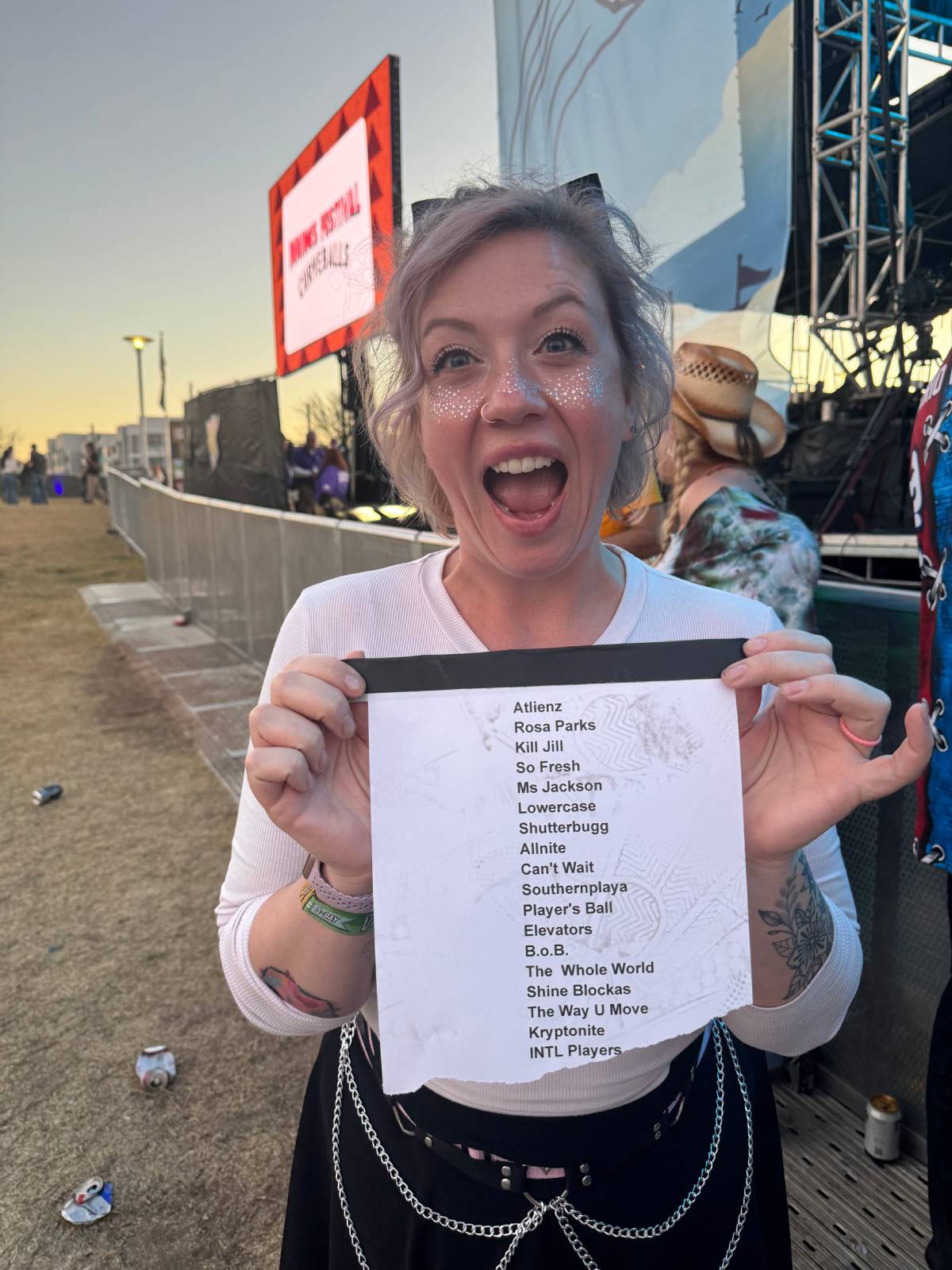
I started engaging in movement that actually felt fun and joyful rather than movement focused on changing what my body looked like. For me, that was primarily dance and yoga. Yoga, in particular, has taught me so much about sensuality and what it means to actually be IN my body, including learning how to sit with both discomfort and joy. As my relationship with my body became healthier, I began experiencing joy in sensuality and sex again.
And honestly, having kids transformed this relationship even further. Even with all of my knowledge and that beginning sense of embodiment, before kids I was still pretty shy and reserved in my own sexuality… even as a sex therapist!
Having children was really the thing that pushed me toward pleasure, fuller embodiment, and a much deeper acceptance of my body because I began thinking less about what my body looked like and more about everything it allows me to experience. My body gives me access to nature. Music. Amazing-tasting food. Hiking. Dancing. Laughter. The entire sensory experience that is COFFEE. And, of course, pleasure.
This has probably been one of the biggest shifts in how I understand desire and sexuality now. My body isn’t something I am supposed to make desirable for other people. It is the place from which I get to experience desire.

Making Space for Desire to Change
Relationships can change our relationship with desire just as much as our bodies can. What are some honest conversations couples could have about sex, intimacy, and changing desire that they often avoid?
Tessa: First and foremost, I think we need to normalize actually communicating about sex and normalize this as ONGOING dialogue. Just because I liked something a year ago, a week ago, yesterday… doesn’t mean that I like it or want it today. One of the most important conversations couples (and/or expansive relationship partners) can have is simply, “What feels good for you today?” or “What does desire look like for you right now? Desire changes. We change. Our bodies change. Our relationships change. Our stress levels, hormones, medications, responsibilities, identities, and season of life change. It makes sense that our sexuality would change alongside all of that.
I wish more couples (and/or expansive relationship partners) talked honestly about what they actually want from sex instead of what they think sex is supposed to look like. What makes you feel desired? What makes you feel connected? What kind of touch feels good right now? What type of pressure feels good right now? What turns you on? What turns you off? What are you curious about? What do you miss? What type of aftercare feels best for you today? What are you doing sexually because you genuinely enjoy it, and what are you doing because it’s been the expectation?
I also think couples (and/or expansive relationship partners) need permission to talk about the harder things. Are you having sex you don’t really want because you’re afraid of disappointing your partner? Has sex started to feel like another responsibility or expectation? Are there things you want to try but feel embarrassed to say out loud? Do you feel safe?
And one of my favorite questions is, what would intimacy look like if intercourse, orgasm, and even sex itself weren’t the goal?
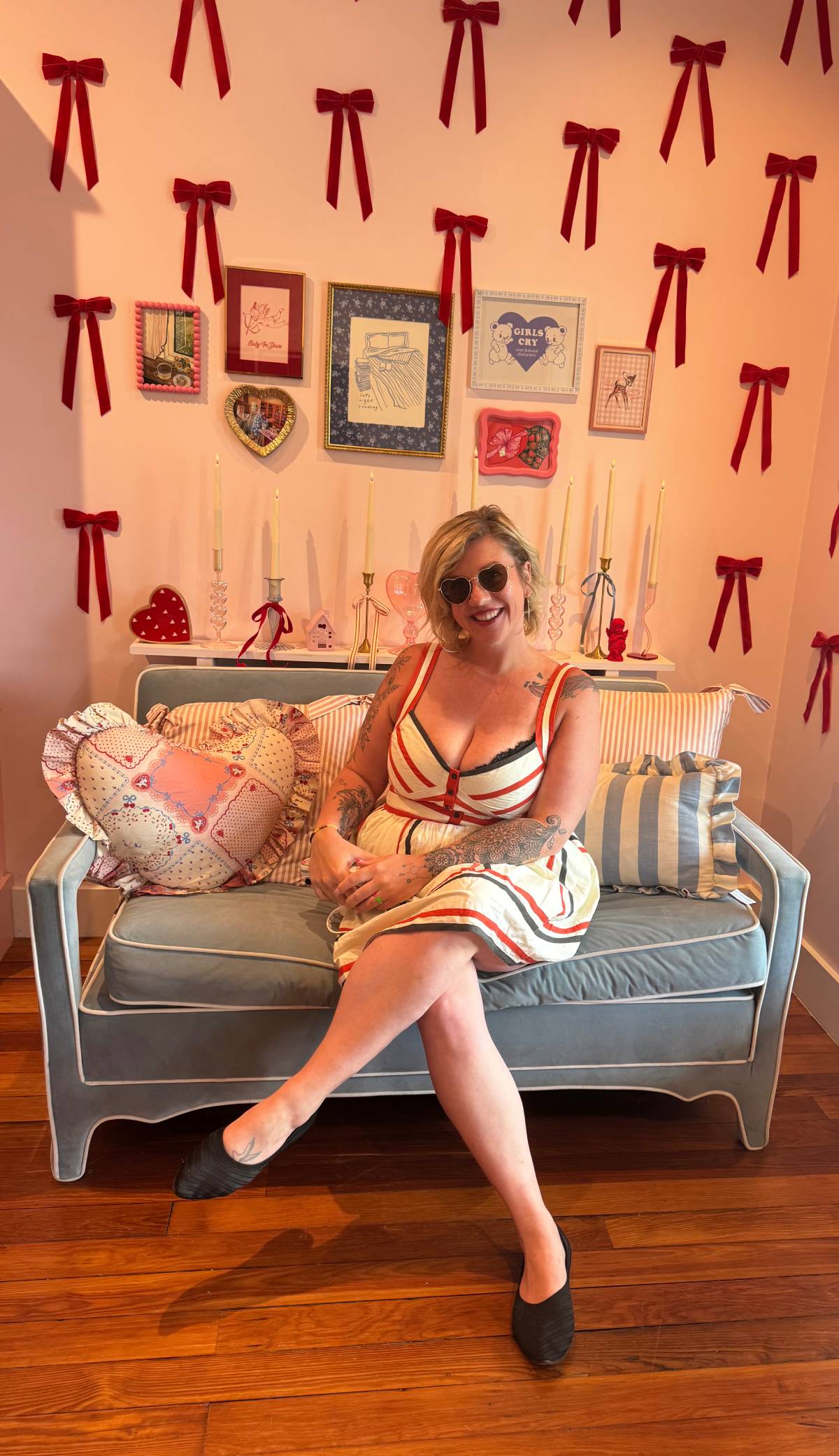
Sometimes couples (and/or expansive relationship partners) have such a narrow definition of what counts as intimacy that they miss this enormous landscape available to them. Making out (yasss). Flirting. Showering together. Massage. Lying naked together. Sharing fantasies. Sending a sexy text. Dancing in the kitchen. Holding hands. Laughing. Touch that doesn’t lead anywhere. Exploring with curiosity just because.
I think we also have to normalize and recognize that two people (or more) in a relationship likely have different erotic ecosystems. Your partner(s) is not necessarily going to experience desire the way you do, need the same conditions as you, or want the same things you do. The goal is never to have matching erotic ecosystems. The goal is learning how to understand each other’s needs, communicating those needs, and seeing where you can overlap.
Ultimately, I want couples (and/or expansive relationship partners) to get curious about changes in desire rather than immediately treating them as a problem to be fixed. Sometimes a change in desire is information. It might be telling us something about our bodies, our nervous systems, our relationships, our stress, our pleasure, or what we need in this season of our lives.

Forget Getting Sex “Right”
Your concept of “sexual whimsy” challenges the idea that we need to optimise, perform, or “get sexuality right.” Where did this idea come from, and what changed for you when you began approaching sexuality with more curiosity and play?
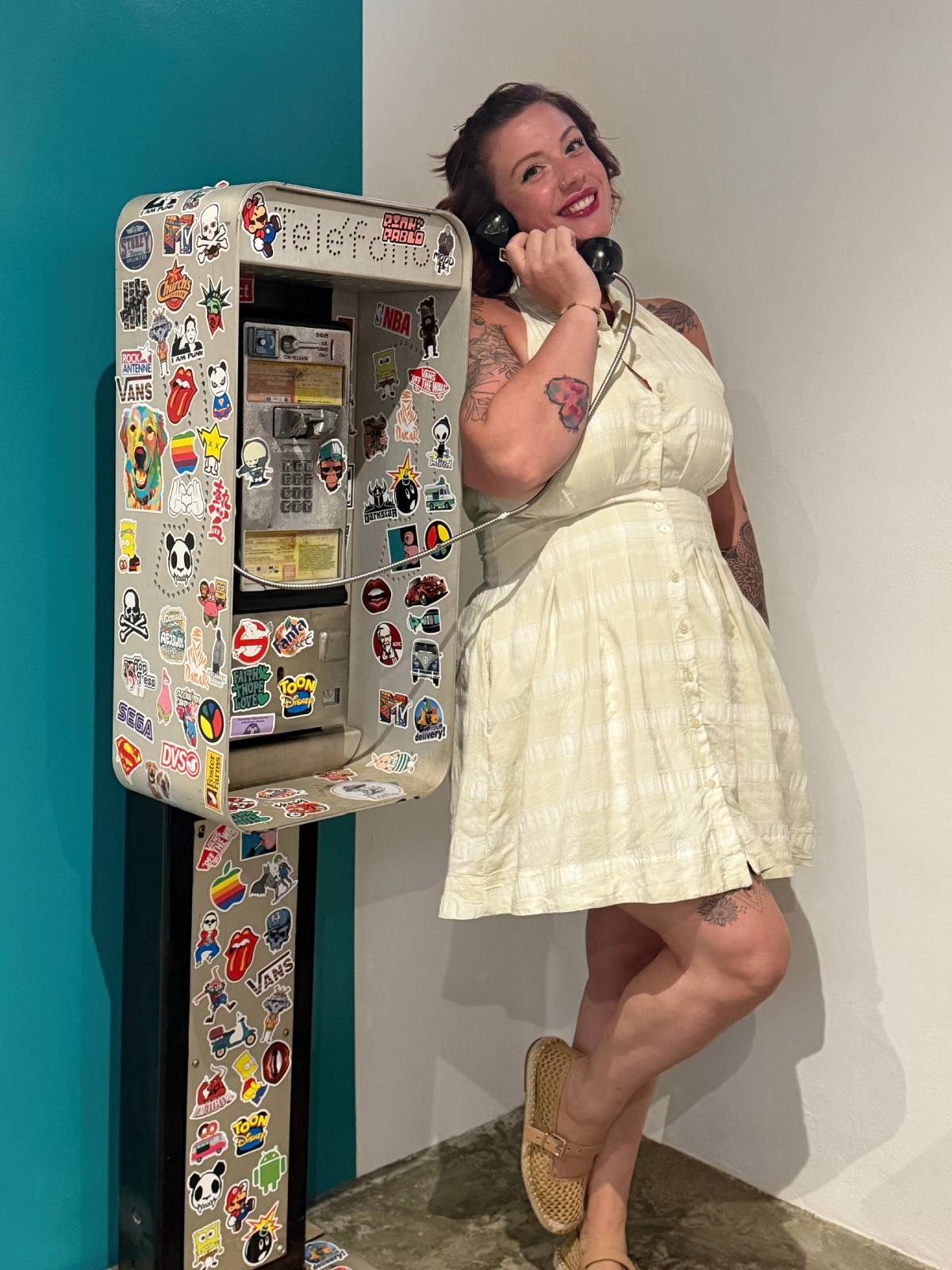
Tessa: Honestly, whimsy in general has been having a bit of a moment lately, and I noticed that in this particular season of my life, I have been engaging in a lot more joy, play, curiosity, and just generally whimsical things. Yes, I will dress up with my friends for a night on the town. Yes, I will laugh loudly and unapologetically with my partner in a crowd. Yes, I will do yoga and appreciate all the ways I can bend my body now and think of what that might be useful for! Yes, I will buy the tiny disco ball light and dance unabashedly in my kitchen. Interesting, all of these things made me feel more connected to myself and sexier in my body. It got me thinking… maybe we need more Sexual Whimsy.
The more I thought about it, the more I realized how much of the way we talk about sexuality is focused on getting it “right.” We’re supposed to have enough sex, in the perfect positions, while making certain noises, at certain times, and communicate perfectly, orgasm, know exactly what turns us on, keep things exciting, try new things, and feel confident in our bodies. Even pleasure can somehow become another thing we’re supposed to be good at, and it turns into a performance.
That feels like a lot of pressure to put on something that has the potential to be really playful and joyful and satisfying.
I think everything changed for me when I started approaching sexuality with more curiosity and less expectation. Reading smutty books really helped me with this; it taught me that maybe the fantasy and things I had been thinking about weren’t off the table. The questions I started asking myself became “What sounds fun?” “What feels good in my body? What am I curious about? What feels sexy to me today? What makes me feel more alive? And sometimes the answer has nothing to do with sex. It might be music, dancing, reading something that sparks my imagination, wearing something that makes me feel good, being outside, flirting, fantasizing, trying something new, laughing, yoga, or letting something be weird or silly. When we give ourselves permission to be playful, sensual, curious, or maybe even a little weird, we get access to sensations and parts of ourselves we might otherwise miss.
That’s really where Sexual Whimsy came from for me. It isn’t about having more sex or better sex. It’s about creating more room for curiosity, pleasure, imagination, play, and aliveness in the way we experience our erotic selves.
Is Confidence Really Sexy?
What’s your take on the idea that confidence is sexy? Can someone have great sex without feeling confident in their body?
Tessa: I think confidence can absolutely be sexy, but I don’t think confidence is a prerequisite for good sex. I actually think we do people a disservice when we tell them they need to love their body or feel completely confident in it before they can experience pleasure.
Most of us are going to have complicated relationships with our bodies at different points in our lives. Bodies change. We age. We gain weight, lose weight, get sick, have babies, experience injuries, take medications, go through hormonal changes, and sometimes we just wake up and don’t particularly like what we see in the mirror that day. None of that means we suddenly lose access to pleasure.
I think what matters more than confidence is presence. Can I be in my body enough to notice what feels good? Can I communicate what I want or don’t want? Can I stay curious about sensation instead of monitoring how my body looks? Can I let myself receive pleasure without needing to perform being sexy while I’m experiencing it?
There is a huge difference between “I love everything about my body” and “I am willing to let this body experience something good.”
That distinction has been really important for me personally and professionally. Sometimes body neutrality is much more accessible than body confidence. Maybe I don’t feel incredibly sexy today. Okay. Can I still appreciate what my body lets me experience? Can I still enjoy touch, warmth, movement, fantasy, connection, orgasm, laughter, or whatever pleasure looks like for me in that moment? And is there a possibility that leaning into one of these might actually help my confidence?
So, yes, confidence can be sexy. But curiosity can be sexy. Vulnerability can be sexy. Awkwardness can be sexy. Feeling safe with a partner IS sexy. Laughing when sex gets weird can be sexy. And leaning into all of these might just increase confidence.
Great sex doesn’t require confidence. I think it requires enough presence to be there for the experience.

Learning to Trust Your Body Again
What role does the body play in emotional and sexual intimacy, particularly for people who have experienced trauma, body shame, illness, or major changes in their physical selves?
Tessa: This is such a huge question because the body is really where we experience intimacy. We can think about intimacy, talk about intimacy, and fantasize about intimacy, but ultimately so much of our emotional and sexual connection is experienced through the body. Touch, sensation, arousal, comfort, tension, pleasure, safety, and even that feeling of being close to another person—all of that involves our bodies.
Our bodies have history… and our bodies hold onto that history. For someone who has experienced trauma, that body may have learned that certain sensations, types of touch, or vulnerability aren’t safe. Body shame can make it incredibly difficult to stay present because instead of experiencing what is happening, we might be watching ourselves from the outside and wondering what our body looks like. Illness can change our energy, sensation, pain, hormones, or sexual functioning. Any treatments and medications that come along with an illness may also impact these things as well. Physical changes can leave us trying to figure out how to inhabit a body that suddenly feels unfamiliar.
I think sometimes we approach these experiences by asking, “How do I get back to who I was before?”… and I’m not sure that always needs to be or really can be the goal. I’m much more interested in: Who is my body now? What does this body need to feel safe? What feels pleasurable now? What kind of touch does it want? What are its boundaries? What has changed? What is it curious about?
This is where embodiment becomes really important. When I talk about embodiment, I’m talking about the ability to actually inhabit your body and notice what is happening within it: sensations, emotions, pleasure, discomfort, tension, safety, and everything in between. Embodiment isn’t necessarily loving your body every second or feeling completely comfortable in it. Sometimes it is learning how to listen to it again.
And this can be done in a number of ways. The ways I primarily work with clients around embodiment and processing trauma are through EMDR and somatic therapies. These approaches can help people move through traumatic experiences while also learning to notice, understand, and reconnect with what is happening in our bodies.

Sexuality Is Allowed to Evolve
Looking at sexuality through the lens of different seasons of life, what does a healthy and fulfilling relationship with your erotic self look like to you now, and what do you hope people give themselves permission to explore?
Tessa: I think a healthy and fulfilling relationship with my erotic self now looks like giving myself permission to evolve. I find myself leaning into my curiosity around new things and experiences and feeling excited about these instead of scared. My sexuality doesn’t have to look the way it did five years ago, before kids, before changes in my body, or even six months ago. I don’t think we’re supposed to find the perfect version of sexuality and then somehow stay there forever.
I actually don’t think there is a perfect version of our sexuality. I think perfection comes with knowing that the tide changes and that we can handle and embrace those changes.
Our erotic selves have seasons just like the other parts of us.
For me, a healthy relationship with my erotic self means being able to meet myself where I am presently… What feels good to me now? What am I curious about now? What does my body want now? What feels stimulating to my mind now? What feels playful? What makes me feel alive? And being willing to let the answers change without immediately assuming something is wrong.
I hope people give themselves permission to explore the things they’ve been curious about without feeling like every curiosity has to mean something enormous about who they are. Read the book. Explore the fantasy. Buy the toy. Try the shibari class. Wear the thing. Have the conversation. Try something and decide you hate it. Try something and discover you absolutely love it. Explore pleasure by yourself. Let yourself be sensual without needing it to be sexual. Let yourself be sexual without needing to perform it for someone else. And maybe most importantly, let yourself change your mind.
I think we put so much pressure on sexuality to tell us something definitive about ourselves… but sometimes curiosity can simply be curiosity, and pleasure can simply be pleasure. Something can sound fun, and that can be enough of a reason to explore it.
That’s what Sexual Whimsy has really become for me. It’s permission to remain curious about my erotic self throughout my life instead of deciding I should already have myself figured out. And I want to experience joy, love, laughter, and aliveness while I continue this journey to myself.
There are still so many versions of myself I haven’t met yet, and I look forward to the journey of becoming.
Editor Note
We live in a culture that turns even pleasure into a performance, where confidence is expected, desire is measured, and intimacy can begin to feel like another area of life in need of improvement. But what if feeling alive mattered more than getting it right?
Dr. Tessa Fox-Kulakowski’s perspective invites us to trade self-judgment for curiosity and recognise that our erotic selves are allowed to change alongside us. Our bodies do not owe us consistency, our desire does not need to follow a schedule, and pleasure does not have to justify itself. Sometimes, reconnecting with intimacy begins with something as simple as listening to what feels good today, without demanding that it mean anything more.
Perhaps growth isn’t about finally figuring ourselves out. It’s about remaining open to the people we are still becoming.
