
What if furniture could do more than furnish a room? What if it could encourage couples to reconnect, explore their desires, and bring a little more creativity into their intimate lives? This is the thinking behind The Tantra Chair, an American-designed piece of intimate furniture that has been reimagining the relationship between comfort, design, and pleasure since 2003.
With its unmistakable curved silhouette, elegant upholstery, and patented dual-arc construction, The Tantra Chair is far from an ordinary piece of bedroom furniture. Created by designer A.J. Vitaro, it was developed to make intimate experiences more comfortable, accessible, and adventurous. Its design takes inspiration from the natural curves of the human body, combining practical engineering with an unconventional approach to modern furniture.
Behind its distinctive appearance, however, is a more personal idea: couples should have the freedom to explore intimacy without letting everyday routines get in the way.
Website
The Creative Vision Behind The Tantra Chair
The story of The Tantra Chair begins with its designer, A.J. Vitaro, whose passion for creativity developed from an early age. Growing up in a family influenced by architecture, art, and craftsmanship, he developed an appreciation for drawing, sculpture, and the human form.
His interests eventually expanded into clay and stone sculpture before leading him towards furniture design. Meditation and Zen philosophy also influenced his creative journey, inspiring him to explore how furniture could improve physical comfort and support.
In 2001, Vitaro established Zen By Design in Scottsdale, Arizona, with a focus on furniture inspired by comfort, meditation, and thoughtful design.
The Tantra Chair emerged from this creative background, bringing together his fascination with the human body, artistic expression, and intimate connection.

A Different Approach to Intimate Furniture
When Vitaro developed The Tantra Chair in 1999, he wanted to challenge a familiar assumption: furniture designed for intimacy did not have to sacrifice aesthetics.
Traditional beds and flat surfaces can sometimes limit movement and positioning. Vitaro saw an opportunity to create something specifically designed to support couples while offering greater freedom and comfort.
Inspired by the principles of the Kama Sutra, he developed a distinctive dual-arc structure that follows the natural curves of the human body. Its shape helps redistribute weight and adjust pelvic angles, creating different possibilities for intimate positioning.
The result was a piece of furniture that combined functionality with a sculptural appearance.
Rather than creating something that needed to be hidden away, Vitaro wanted a design that could confidently become part of a sophisticated home interior.
The Signature Dual-Arc Design
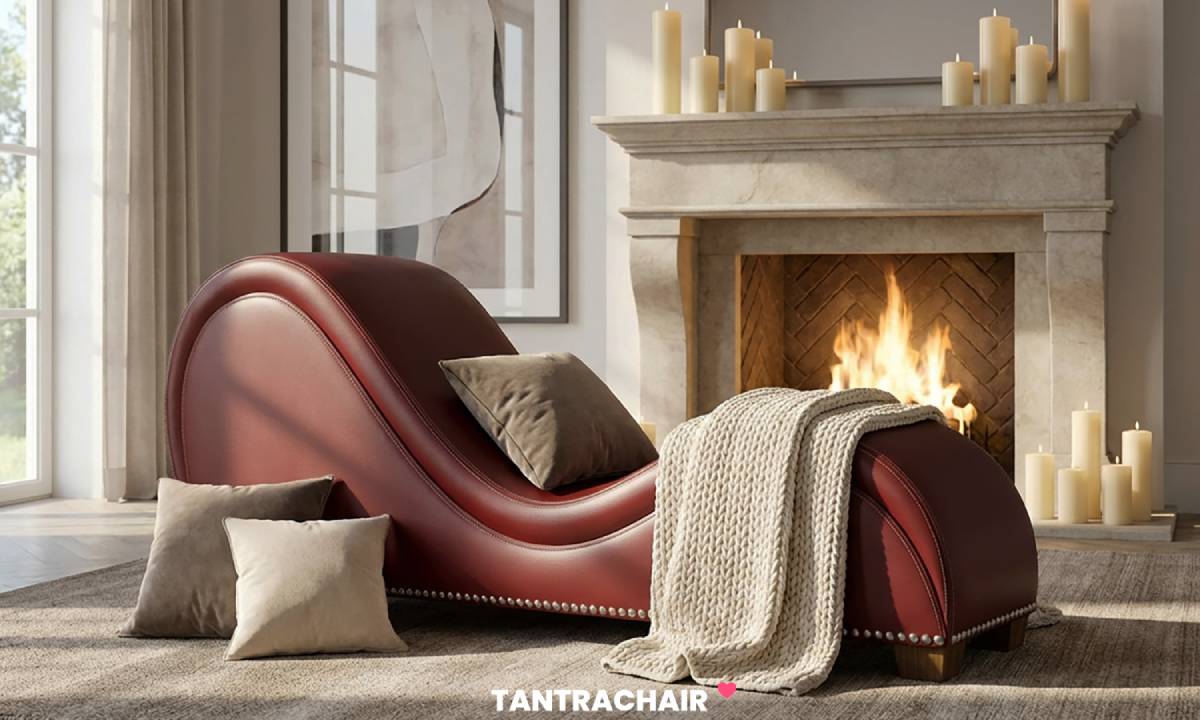
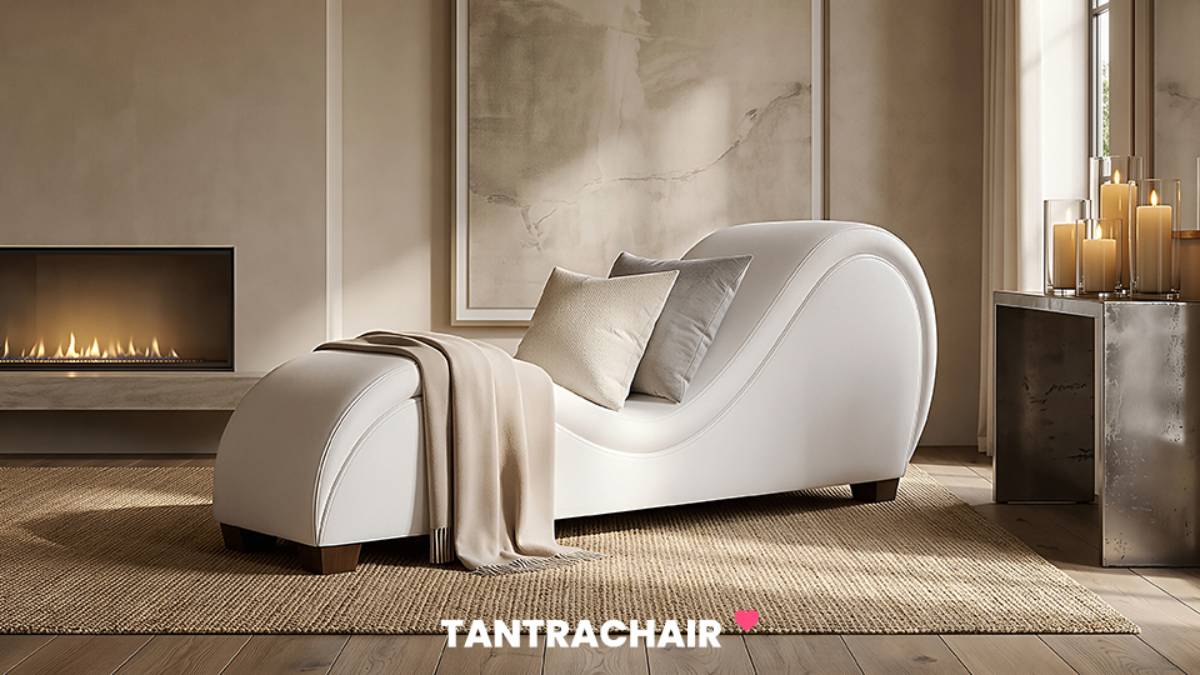
One look at The Tantra Chair explains why it stands apart from conventional furniture. Its two sweeping curves are not simply decorative features; they are the foundation of its patented design.
The structure is carefully shaped to support the body and accommodate different movements. Its curved surfaces provide support for various positions, while the high-density foam adds comfort during use.
Developing these proportions required considerable experimentation. Beginning with conceptual testing in 2000, Vitaro spent approximately four years refining the chair with couples of different shapes and sizes. The final design was completed in 2003 and subsequently received US Design Patent D530933 in 2006.
This attention to detail makes the chair particularly interesting. Its appearance may be unconventional, but every curve has a functional purpose.

Craftsmanship Meets Contemporary Design
A distinctive design requires equally thoughtful construction. Handcrafted in Scottsdale, Arizona, the Tantra Chair reflects an emphasis on American craftsmanship, material quality, and durability.
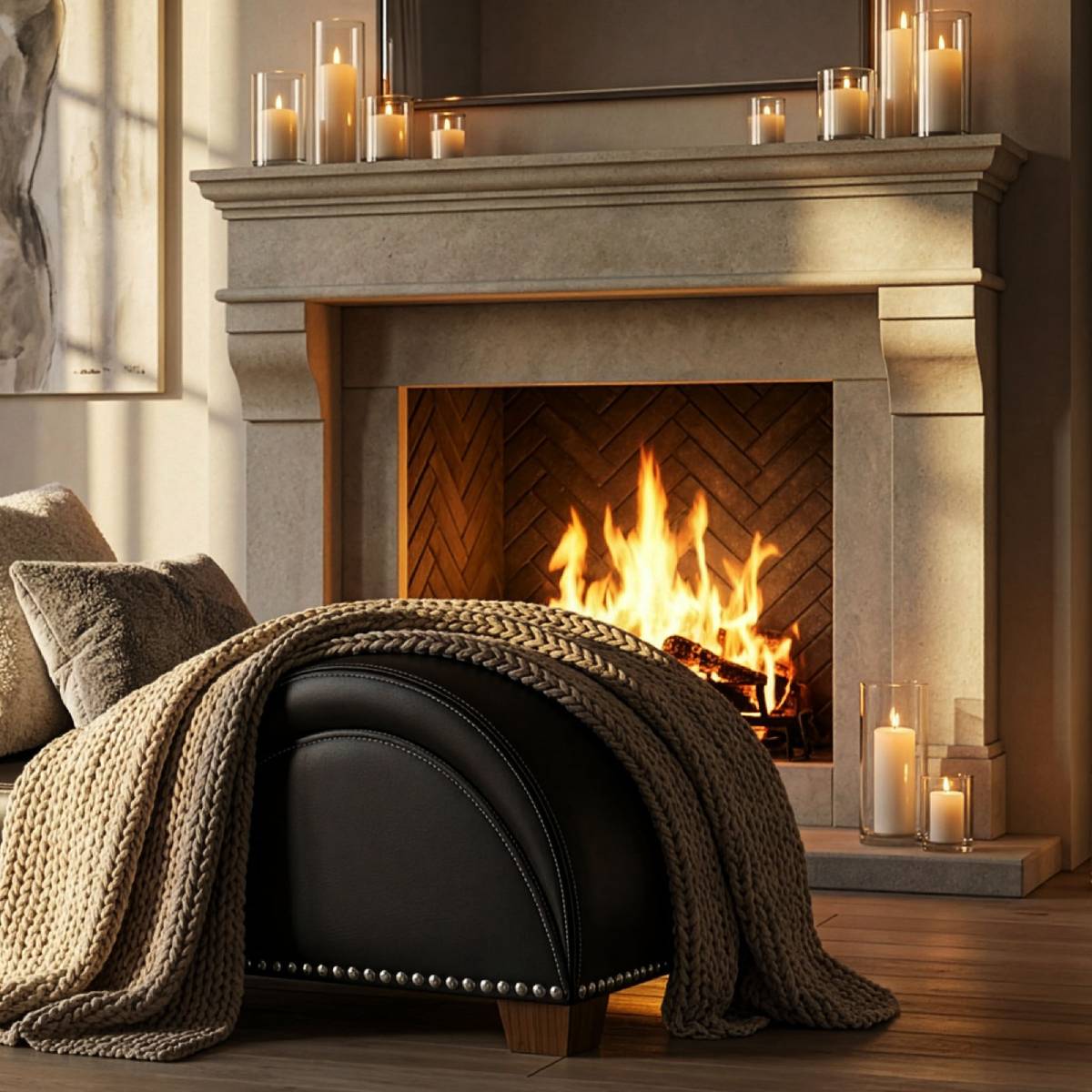
Its solid wood frame provides structural support, while high-density foam contributes to comfort. The upholstery uses synthetic leather designed to be moisture-resistant, stain-resistant, and easy to maintain.
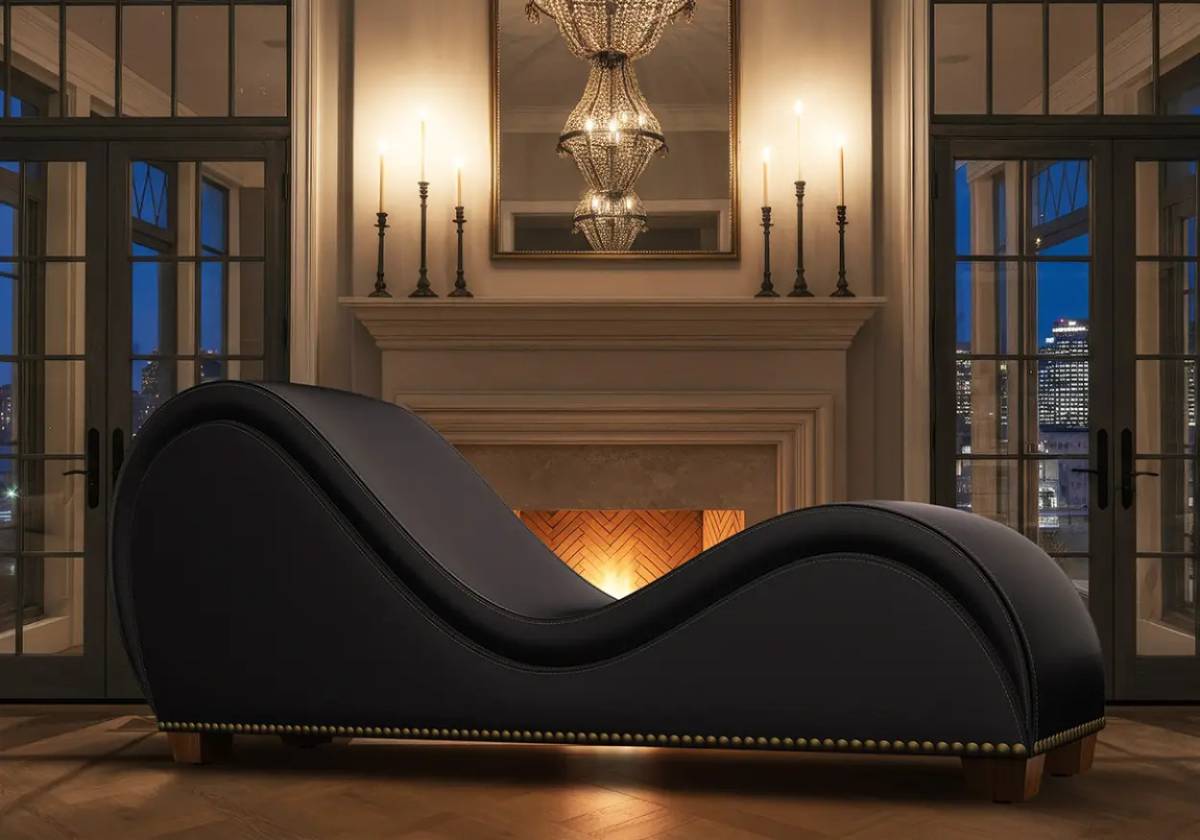
Even the signature baseball stitching has a practical purpose. It strengthens the seams while highlighting the chair’s flowing curves.
Customers can also personalise its appearance with different decorative finishes, including pewter and antiqued brass nailheads, or opt for a cleaner finish without them.
These details allow the chair to complement different interior styles, making it an interesting combination of functional furniture and sculptural design.
More Than Furniture: Encouraging Intimate Connection
Beyond its construction, The Tantra Chair represents a broader philosophy about relationships.
Between demanding work schedules, everyday responsibilities, and constant digital distractions, couples can sometimes struggle to make time for meaningful physical connection. The brand encourages a more conscious approach to intimacy, reminding couples that exploration and communication remain important throughout a relationship.
The chair offers an opportunity to step away from familiar routines and try something different. Its design prioritises comfort while encouraging couples to explore movement and discover new ways of connecting.
This is not necessarily about changing a relationship. Sometimes, introducing something new can simply bring back a sense of curiosity and playfulness.
For newlyweds, long-term partners or couples looking to refresh their intimate experiences, this philosophy sits at the heart of the brand.
Designed to Be Seen, Not Hidden
Intimate furniture has not always received the same design consideration as other pieces within the home. Many products prioritise function while overlooking their appearance.
The Tantra Chair takes a different approach.
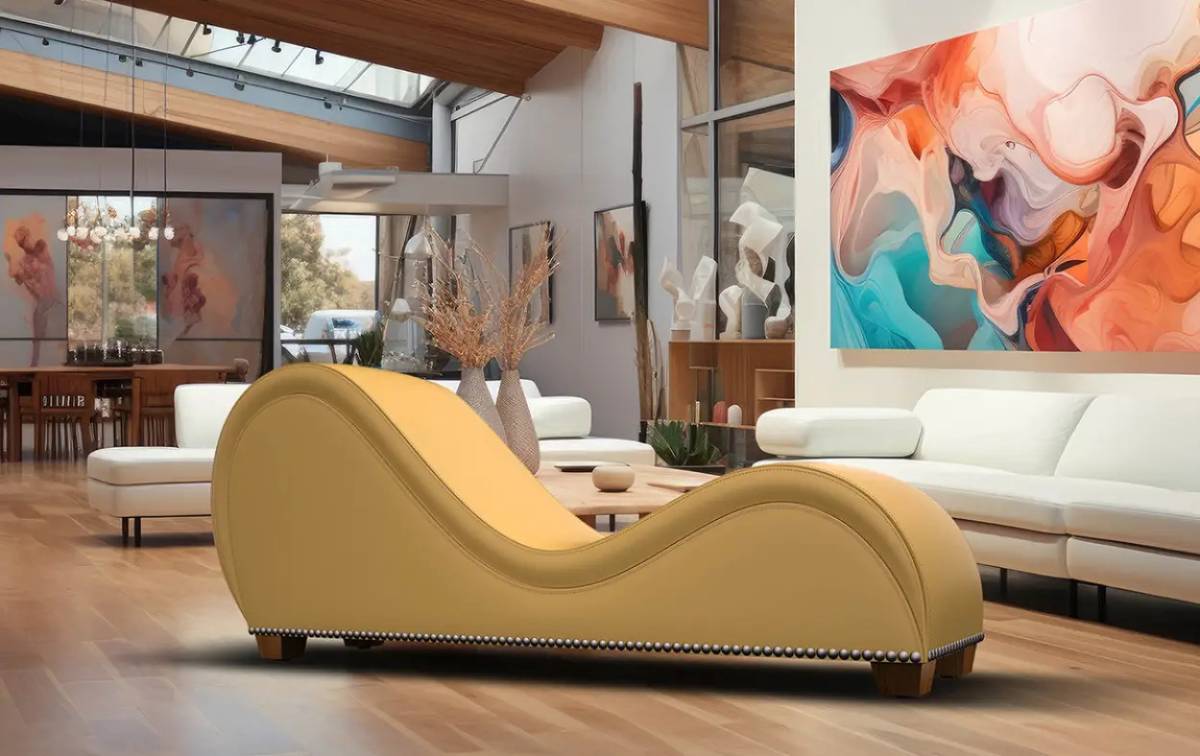
Its sculptural curves, upholstered finish, and customisable details give it the visual presence of contemporary statement furniture. Whether placed in a bedroom or a dedicated intimate space, it is designed to complement its surroundings rather than disappear into them.
This approach challenges the traditional separation between interior design and adult lifestyle products. It suggests that intimate furniture can be both practical and visually appealing.
From Scottsdale to International Recognition
Since its introduction, The Tantra Chair has attracted attention from lifestyle, entertainment, and mainstream media. Its distinctive design has appeared in publications and platforms including The New York Times, Elle, Men’s Health, Women’s Health, Glamour, the Discovery Channel, and Netflix.
Its appearance in Netflix’s How to Build a Sex Room also introduced the chair to audiences interested in creating more considered intimate spaces.
In 2023, the design received a Platinum Winner distinction from the Architecture & Design Collection in the furniture design category, recognising A.J. Vitaro as its designer and Zen By Design as the studio behind it.
These milestones highlight how the chair has moved beyond the conventional adult product category, becoming part of a wider conversation about furniture, craftsmanship, and contemporary intimacy.
An Invitation to Explore
More than two decades after its creation, The Tantra Chair continues to represent an unconventional approach to intimate furniture.
A.J. Vitaro’s original vision brought together artistic design, physical comfort, and a more conscious approach to connection. That philosophy remains visible in its distinctive curves, thoughtful construction, and customisable finishes.
Perhaps its greatest appeal is the conversation it encourages. Intimacy does not have to become predictable, and comfort does not have to come at the expense of creativity.
The Tantra Chair is ultimately an invitation to make time for one another, explore new experiences, and rediscover the importance of physical connection.
Because sometimes, reconnecting begins with simply trying something different.

Editor’s Note
We don’t often think of furniture as something that can influence the way we experience intimacy, but The Tantra Chair offers a different perspective. What makes its story interesting is not simply its distinctive design but the thinking behind it. It challenges conventional ideas about pleasure, comfort, and the spaces we create for connection.
I find the idea of bringing art, thoughtful craftsmanship, and intimacy together particularly compelling. Perhaps it’s a reminder that keeping a relationship exciting doesn’t always require grand gestures; sometimes, it starts with being curious, trying something different, and making time for one another.
